
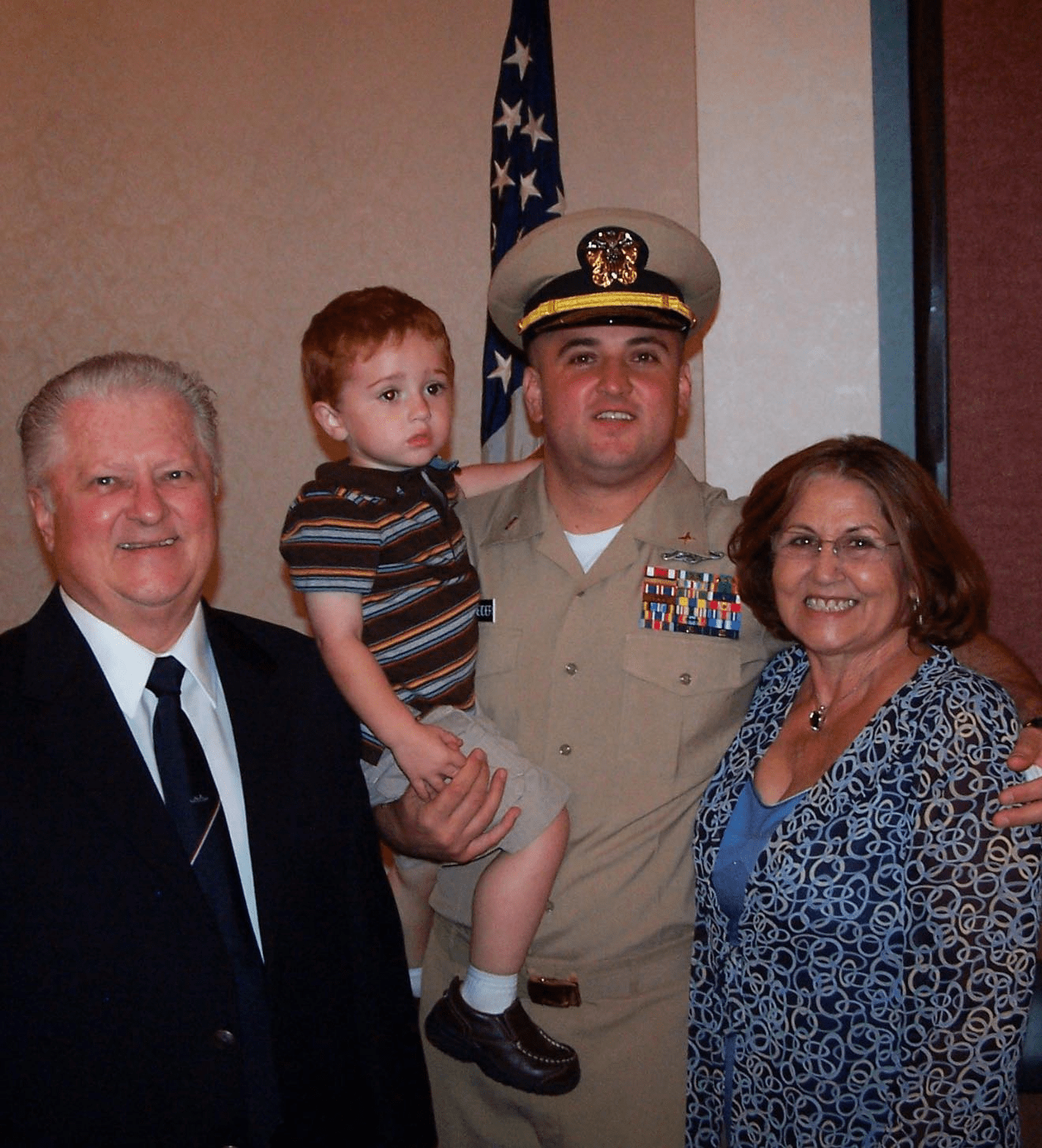
For nearly seven decades, the Schneider family has contributed to the mission of U.S. Navy cryptology and information warfare. Spanning the Cold War, the Global War on Terrorism, and today’s cyber domain, three generations — Senior Chief Cryptologic Technician Collection Ronald Schneider, Chief Warrant Officer Five Kevin Schneider, and Ensign Christopher Schneider — represent a remarkable legacy of dedication, technical expertise, and operational service.
Continue reading “A Legacy of Service: Three Generations of Schneider Cryptologists in the U.S. Navy”
By Captain Bray, Retired Intelligence Officer, December 2016 Proceedings Vol. 142/12/1,366
Summary:
Captain Bray argues that U.S. naval intelligence has been harmed by being subordinated to the Navy’s information warfare (IW) community. His central thesis is that intelligence is not warfare—it is a distinct, cognitive discipline that must remain operationally independent to preserve the integrity of intelligence assessments.
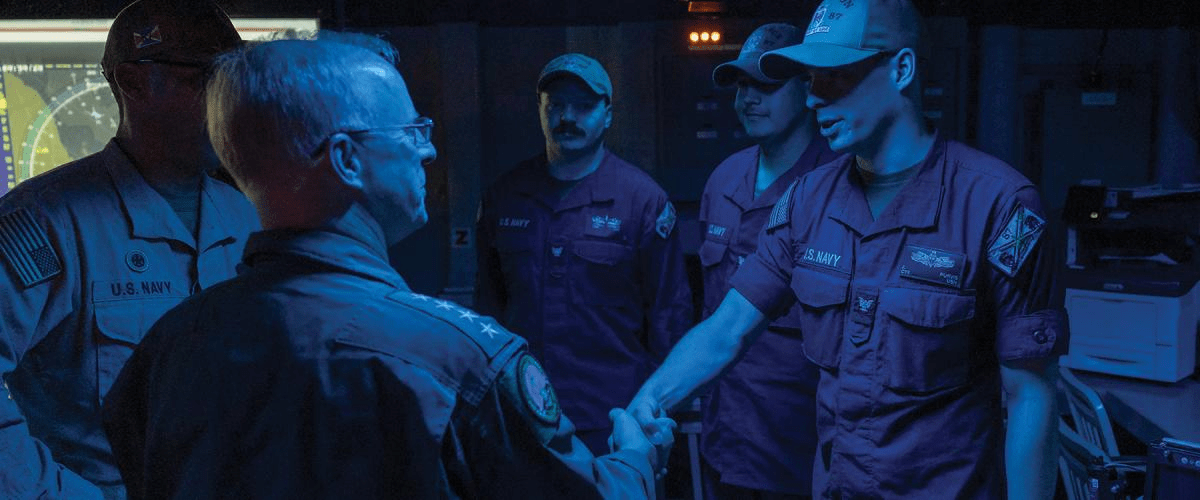
With a separate officer community now responsible for cyber warfare, the cryptologic warfare community must refocus officer develpment on signals intelligence and electronic warfare.
By Lieutenant Commander Enrique Galvez, U.S. Navy
January 2026 | Proceedings | Vol. 152/1/1,475
Cryptology plays a critical role in modern warfare. Conflicts in the Red Sea and Ukraine have reaffirmed that understanding and controlling what is in the radio frequency (RF) spectrum can be the difference between life and death. Paradoxically, this technology-heavy domain requires human experts more than ever. As technology advances at breakneck speed, the Navy requires distributed, tactical-level expertise to dynamically innovate, execute, and fight.
Continue reading “The Next Fight Demands Naval Cryptologic Expertise”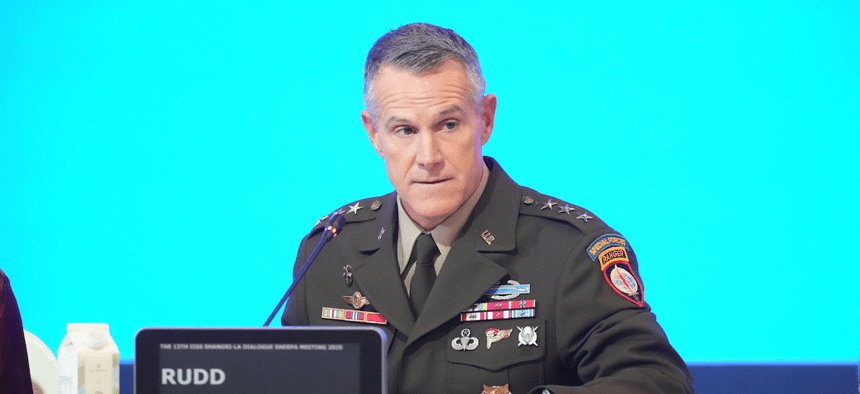
The White House has asked senators to confirm a promotion for Army Lt. Gen. Joshua Rudd, deputy director for U.S. Indo-Pacific Command.
Army Lt. Gen. Joshua Rudd appears to be the Trump administration’s pick to fill the months-old vacancy atop the National Security Agency and U.S.Cyber Command.
Continue reading “After eight months, administration signals a potential leader for NSA, CyberCom”
The Naval Postgraduate School (NPS) has launched a brand new Master of Science in Artificial Intelligence (MSAI) degree that will confer the advanced knowledge, skills, and practices necessary to develop, assess, and deploy AI for the U.S. Navy, joint forces and allied militaries. Graduates through the new program will be prepared to lead AI integration within their communities and across the U.S. Department of War (DOW).
Continue reading “NPS Launches New Master’s in Artificial Intelligence Focused on Warfighter Needs”
The Pentagon’s leader for industrial policy says the acquisition regulation overhaul will create openings for artificial intelligence-enabled service models and drive a move away from traditional contracts.
Continue reading “DOD’s move to ‘wartime footing’ demands new contracting models” Station HYPO