
Morris “Moe” Berg (March 2, 1902 – May 29, 1972) was an American professional baseball player, scholar, and spy. Although he played 15 seasons in Major League Baseball (MLB) as a catcher for teams including the Chicago White Sox, Cleveland Indians, and Boston Red Sox, Berg was better known for his intellect and later, his work with the Office of Strategic Services (OSS) during World War II. Fluent in multiple languages and educated at Princeton and Columbia, Berg became a unique figure in American history: a man who excelled in sports, academics, and espionage.

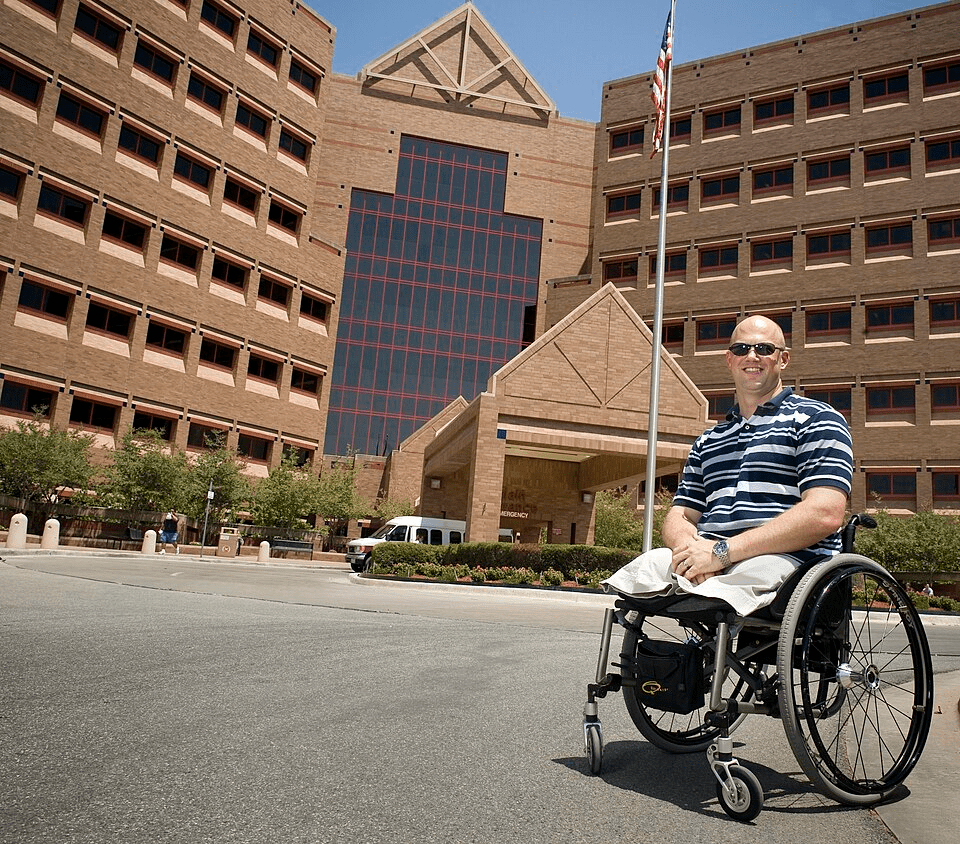
The history of the Cryptologic Technician community is filled with stories of dedication, sacrifice, and service in defense of the nation. Among those stories is that of Cryptologic Technician Interpretive Second Class (CTI2) Chad M. Kueser, whose courage and resilience embody the finest traditions of military service.
Continue reading “CTI2 Chad M. Kueser (Ret.): A Warrior’s Sacrifice and Unyielding Determination”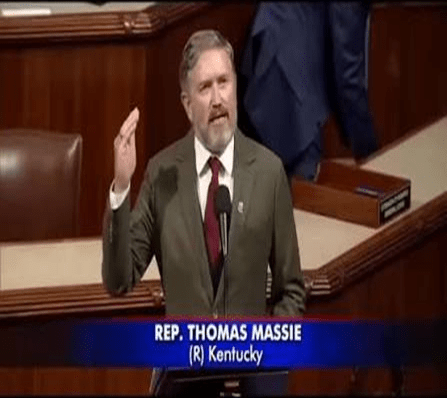
Nearly 60 years ago, Israel attacked the U.S. Navy ship. Finally, a congressman has paid tribute to the victims and survivors.
On June 8, 1967, the American Navy’s ship the USS Liberty was attacked by Israel, killing 34 and wounding at least 171.
On June 8, 2026, Rep. Thomas Massie (R-KY) said, on the House floor,
“It’s my great honor, maybe one of the biggest honors of my lifetime, to stand here on the floor and do something that’s 59 years overdue, to recognize the survivors and those who gave their lives on the USS Liberty 59 years ago today, when they were viciously attacked by IDF [Israel Defense Force] jets and also after that by torpedo boats.”
Continue reading “Massie Recognizes USS Liberty Attack. Here’s Why That Matters”
Rep. Thomas Massie (R-Ky.), plans to address the USS Liberty on the House floor this week and has invited survivors of the 1967 attack to attend, bringing renewed attention to one of the most controversial incidents in U.S. naval history.
Continue reading “Controversial USS Liberty Naval Attack Gets Renewed Attention in Congress”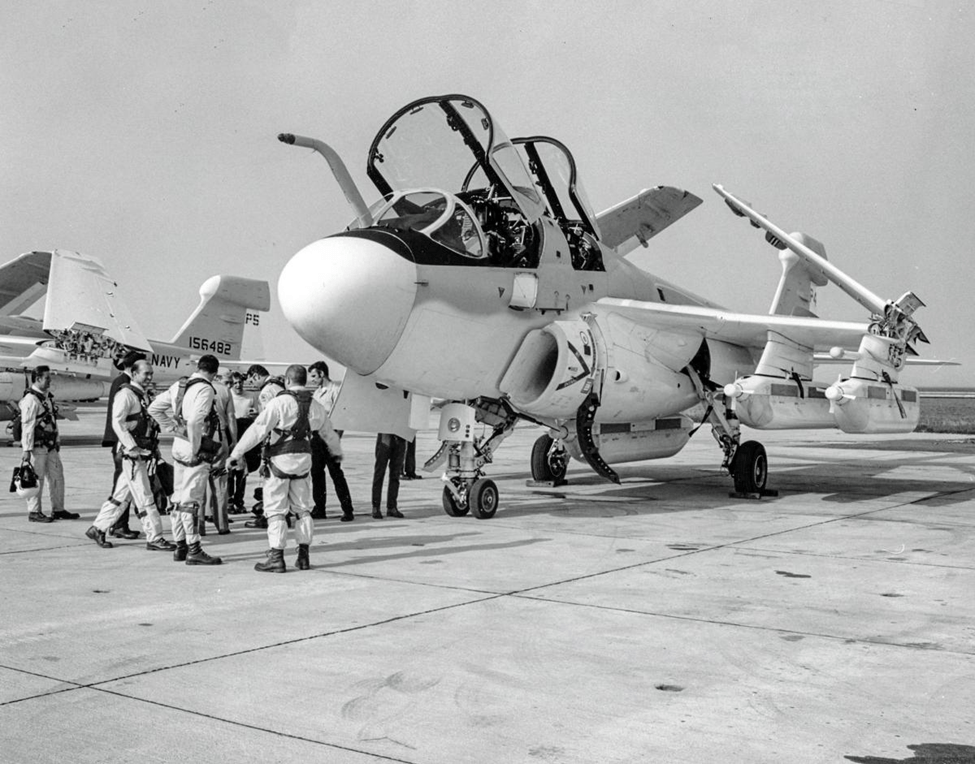
The last Navy deployment was on George H.W. Bush in November 2014, with VAQ-134. The last Navy operational flight took place on 27 May 2015. Electronic Attack Wing, U.S. Pacific Fleet (CVWP), hosted a retirement commemoration for the EA-6B from 25 to 27 June 2015 at NAS Whidbey Island.
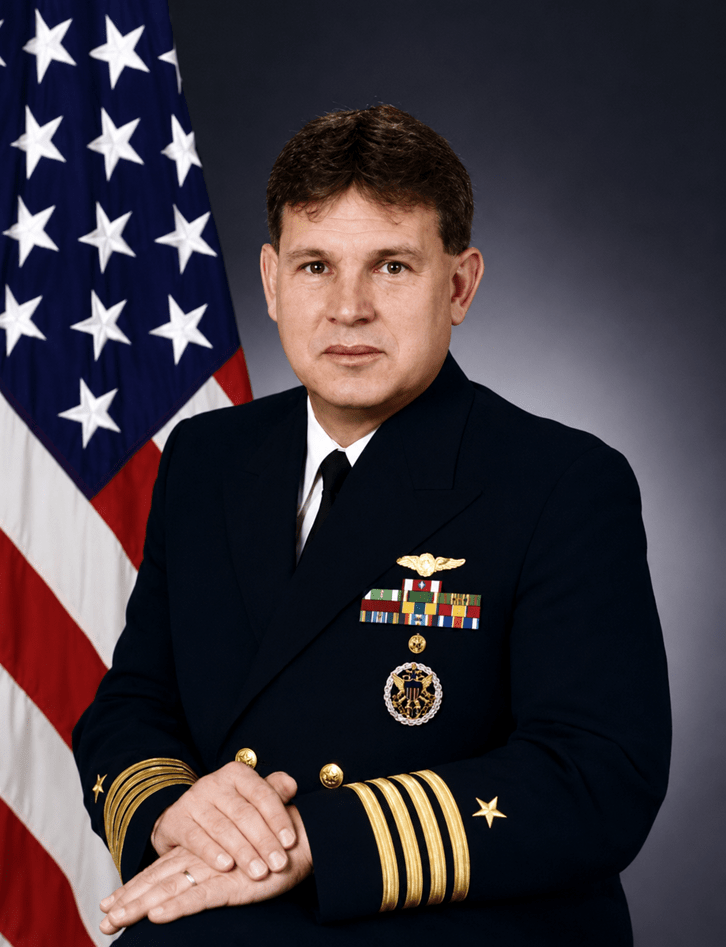
Mike Lambert enlisted in the United States Navy in 1975 as a Seaman Recruit, beginning what would become a three-decade journey from the lowest rung of enlisted service to the rank of Captain. That arc — from recruit to commanding officer — shaped the leader he became: someone who understood his Sailors because he had once been one of them.
Continue reading “Honoring Capt. Mike Lambert USN (Ret.) – Cryptologist, IW Officer and Mentor to Many”
