
Commander Markle T. Smith was born on April 5, 1910, and enlisted in the U.S. Navy in 1930. His early sea service included duty aboard the USS Louisville from 1930 to 1934 before he was selected for advanced Japanese communications intelligence training in 1934 as a member of the legendary “On-the-Roof” Class 13.


Military service is time spent serving by an individual or group in the armed forces, such as the Army, Navy, Marine Corps, Coast Guard, Air Force, or Space Force whether as a chosen job (volunteer) or because of an involuntary draft (conscription). Service requires an immense understanding and sacrifice, by the members, but more precisely by the family to endure the countless deployments, combat tours, and long hours. I always held the belief that “the military is a great place to start; the duration of your service is a personal choice”. My entire nuclear family (me, my wife, and our four children) not only understood the sacrifice, but embraced the expense and chose military service, particularly the U.S. Navy, as a selected occupation and profession.
Continue reading “Honoring Boswyck Offord, Sr. and His Navy Family – SERVICE – the Family Business”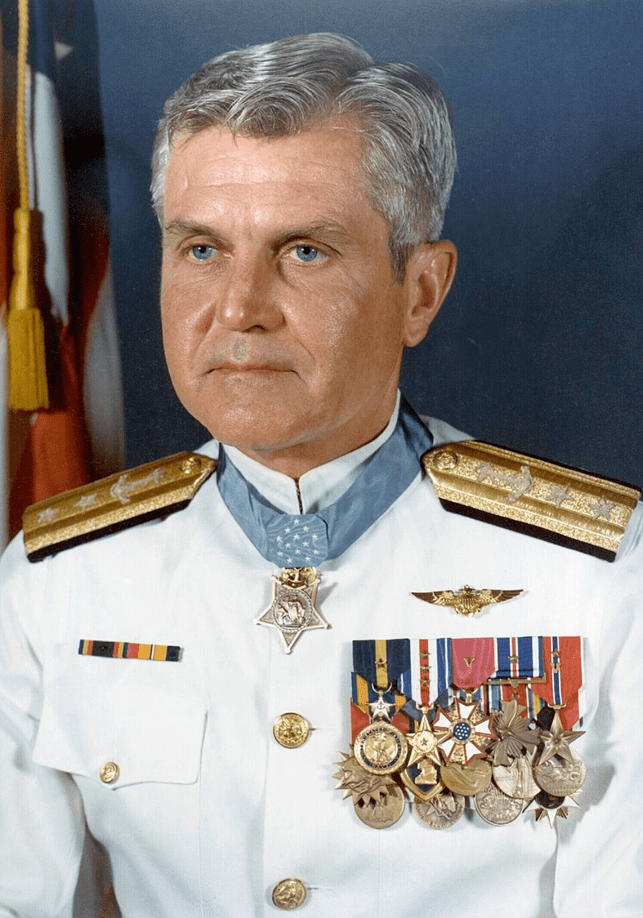
December 23, 1923 – July 5, 2005
“The worst thing that can happen is death, and that’s not the worst thing in the world either.”
Continue reading “Remembering VADM James B. Stockdale, USN, (Ret.)”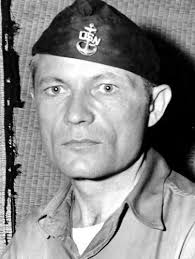
George Ray Tweed (July 2, 1902 – January 16, 1989) was a decorated radioman in the United States Navy who served during the World War II. He is most famous for evading of Japanese capture for two years and seven months after the surrendering of U.S Garrison on Guam in 1941.
Continue reading “The Ghost of Guam”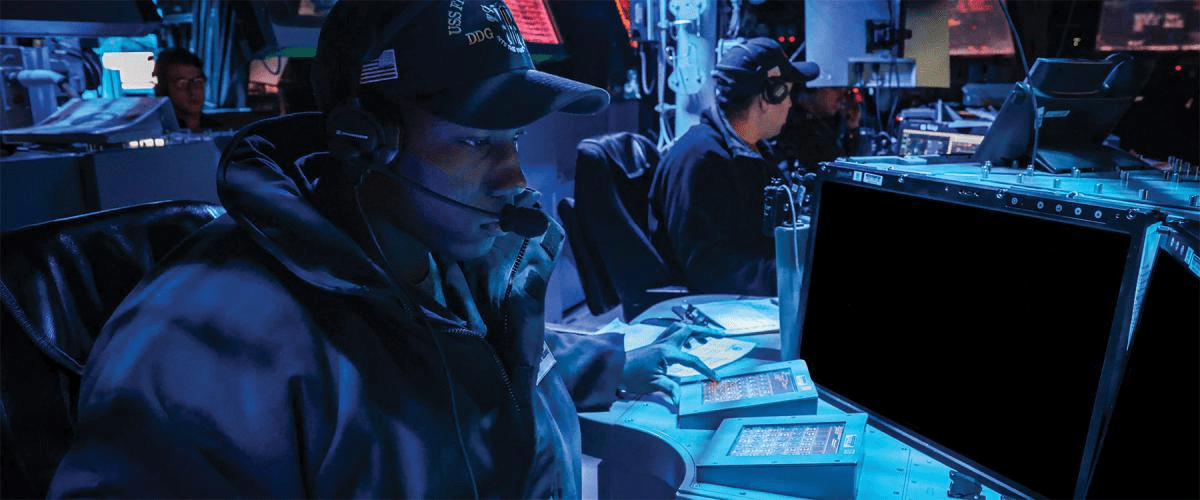
The Navy’s center of gravity is evolving toward the information domain—not because it replaces ships or aircraft, but because it has become the decisive enabler of lethality, survivability, and decision advantage at sea.
Continue reading “Congratulations to ENS Kevin H. Nguyen, Cryptologic Warfare Officer, Winner of U.S. Naval Academy Class of 2026 Capstone Essay Contest – Category: Information Warfare”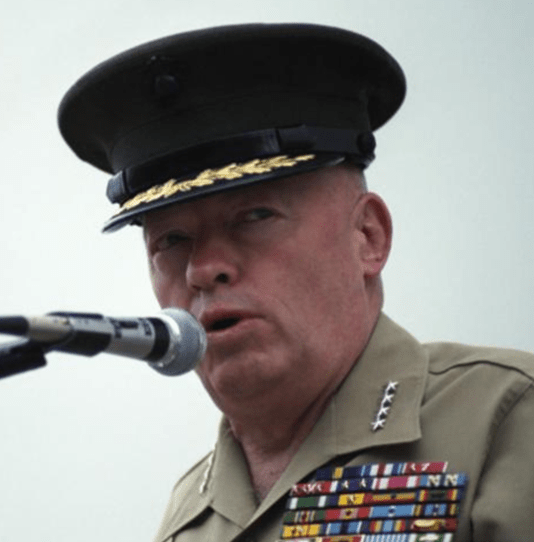
General Alfred M Gray, USMC
Born June 22, 1928 – March 20, 2024

