
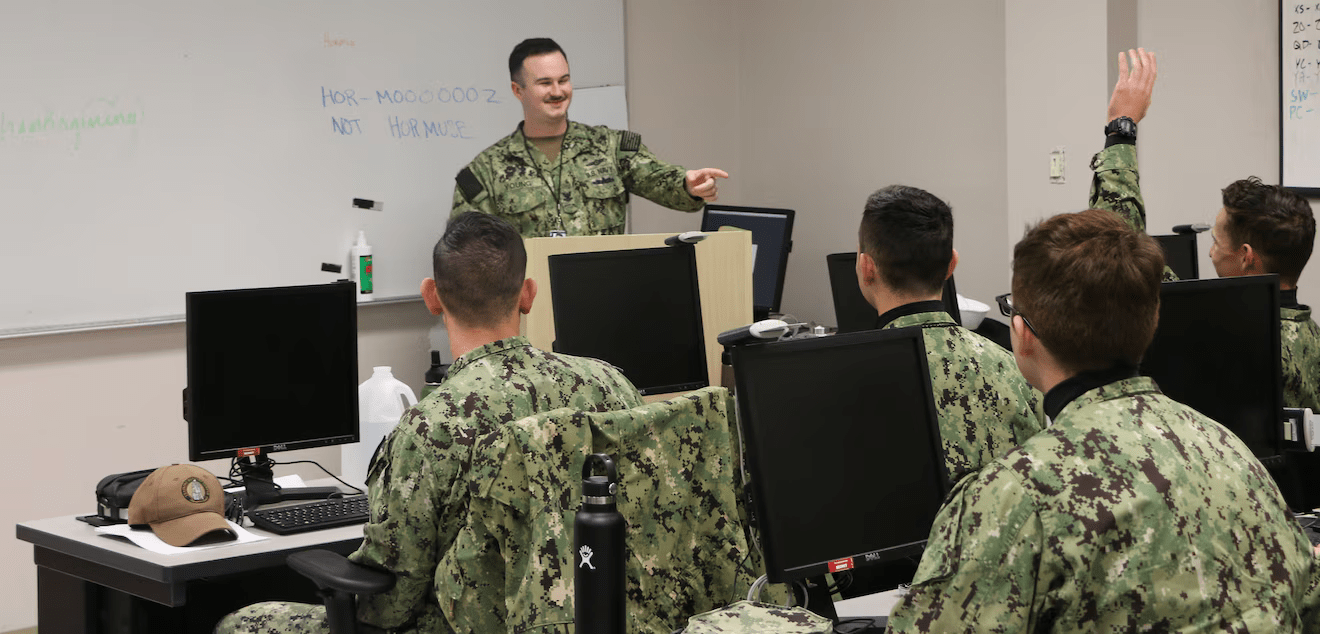
Recently, someone on LinkedIn asked me for advice on becoming an instructor. While this isn’t an exhaustive list, it should provide new instructors with a solid foundation as they begin their journey.
Guidance for Instructors
- Lead with humility. Treat students the way you would want to be treated.
- Show respect and fairness. Every student deserves equal attention, professionalism, and courtesy.
- Be transparent. Never try to trick students—clearly explain what they are expected to know and why it matters.
- Be patient with new learners. Much of the material may be unfamiliar to them. Explain concepts in multiple ways and break down complex ideas into their simplest form.
- Prepare thoroughly. Know your lesson plan so well that you can anticipate the next slide and transition smoothly between topics.
- Learn to shift between roles. Move confidently between lecturing, facilitating, coaching, and guiding discussions.
- Ask meaningful questions. Use open-ended and “why” questions to encourage critical thinking and classroom dialogue.
- Be punctual. Arrive on time and set a professional tone for the day.
- Stay humble as an expert. Remain open to learning—from peers, from the fleet, and even from your students.
- Use sea stories with purpose. Share operational experiences when they reinforce the lesson, but avoid overusing them.
- Be authentic. Don’t pretend to be someone you’re not; students recognize sincerity immediately.
- Set expectations early. Begin each day by explaining the schedule and objectives, then follow through.
- Minimize schedule changes. Students value consistency and predictability in their training.
Stay Relevant as an Instructor
- Keep yourself current. Continuously update your understanding of the fleet, technology, and global events.
- Track world events and geopolitics. Understand how international developments shape naval operations and IW mission priorities.
- Read widely. Use both open-source reporting and classified materials (when appropriate) to maintain a complete operational picture.
- Study emerging technologies. Stay informed on new capabilities—cyber, AI, EW, communications, sensors, platforms, and any innovation affecting the battlespace.
- Engage with returning fleet personnel. Seek out officers and enlisted members who have just completed deployments to gain current perspectives.
- Ask deep, probing questions. Explore what worked, what didn’t, and the real reasons behind successes and failures.
- Incorporate fleet lessons into training. Bring real-world insights, trends, and case studies into your classroom to maintain relevance.
- Expose students to professional voices. Arrange meaningful video teleconferences with leaders, operators, and tactical experts so students hear directly from the field.
- Provide access to different operational levels. Allow students to hear from personnel involved in strategy, operations, and tactical execution to broaden their understanding.
- Model lifelong learning. Show students that being an effective instructor means staying engaged, informed, and curious.
 Station HYPO
19 November 2025 at 22:01
Superb suggestions for those considering becoming an instructors. Also tips can be applied to life in general. Particulary like the suggestions regarding humility. C.S. Lewis said the following about that personal characteristic that is hard for some to grasp, “Humility is not thinking less of yourself, but thinking of yourself less.”
LikeLike