
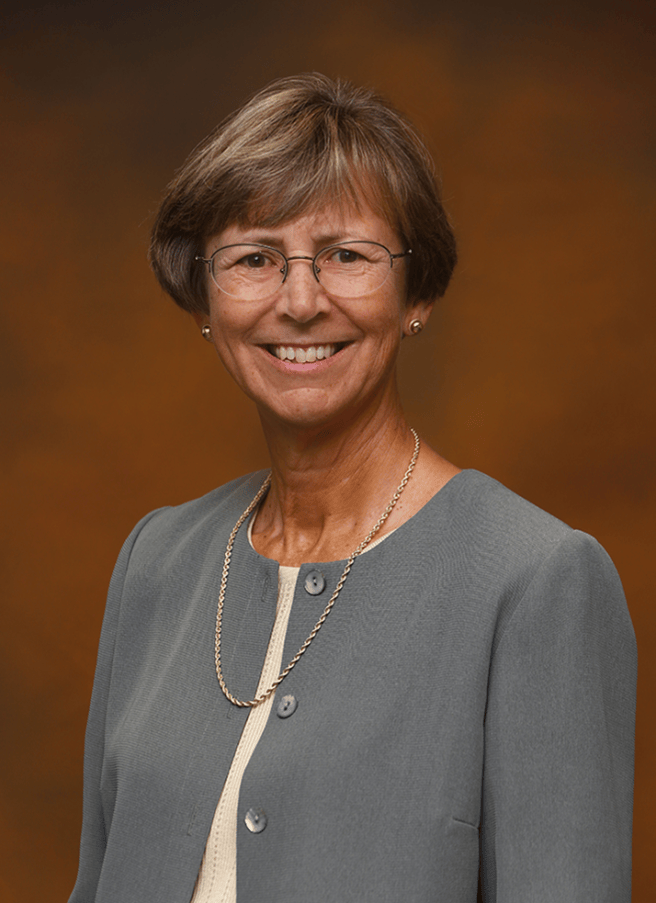
Navy Information Operations Command (NIOC) Georgia honored the life and legacy of Captain Joanne Sexton, the command’s first Commanding Officer and the founding dean of Augusta University’s School of Computer and Cyber Sciences (SCCS), by dedicating the headquarters conference room in her honor. The dedication recognizes Captain Sexton’s pioneering leadership, lasting contributions to the Information Warfare community, and enduring impact on the fields of cybersecurity and computer science.
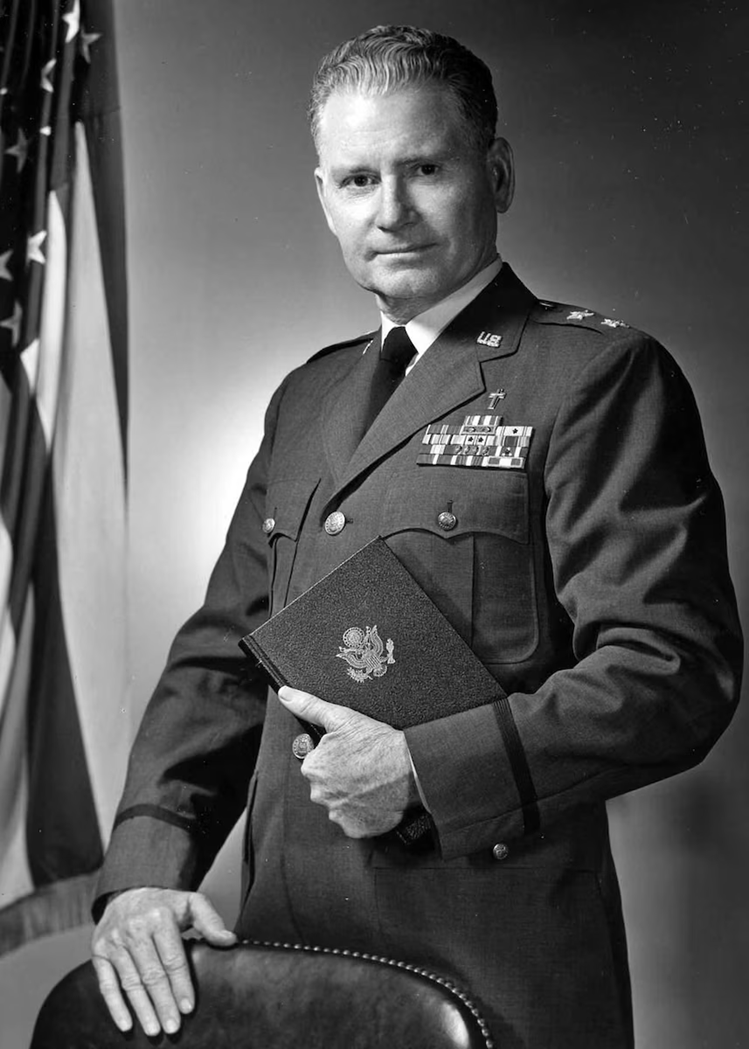
Located on 1,135 acres near the west Texas community of San Angelo, Goodfellow Air Force Base trained thousands of cryptologists since 1966. First called Navy Communication Training Center (NCTC) Detachment Goodfellow, the command was renamed in 1973 to Naval Technical Training Center (NTTC) Detachment, Goodfellow. In 2016, the name changed again to the Center Information Warfare Training (CIWT) Detachment, Goodfellow.
Continue reading “Remembering Robert Taylor, WWII and POW – (Taylor Chapel ,Goodfellow)”
To those of you who didn’t find your name on this year’s Chief’s selection list, I know yesterday may have been disappointing. I understand those feelings because I once stood exactly where you are.
Continue reading “What Seven Years of Disappointment Taught Me”
I am a third generation Sailor. My Grandfather (on my dad’s side) was a Boatswain’s Mate (BM) and my father served 27 years and retired as an Operations Specialist Senior Chief (OSCS).

Commander Markle T. Smith was born on April 5, 1910, and enlisted in the U.S. Navy in 1930. His early sea service included duty aboard the USS Louisville from 1930 to 1934 before he was selected for advanced Japanese communications intelligence training in 1934 as a member of the legendary “On-the-Roof” Class 13.
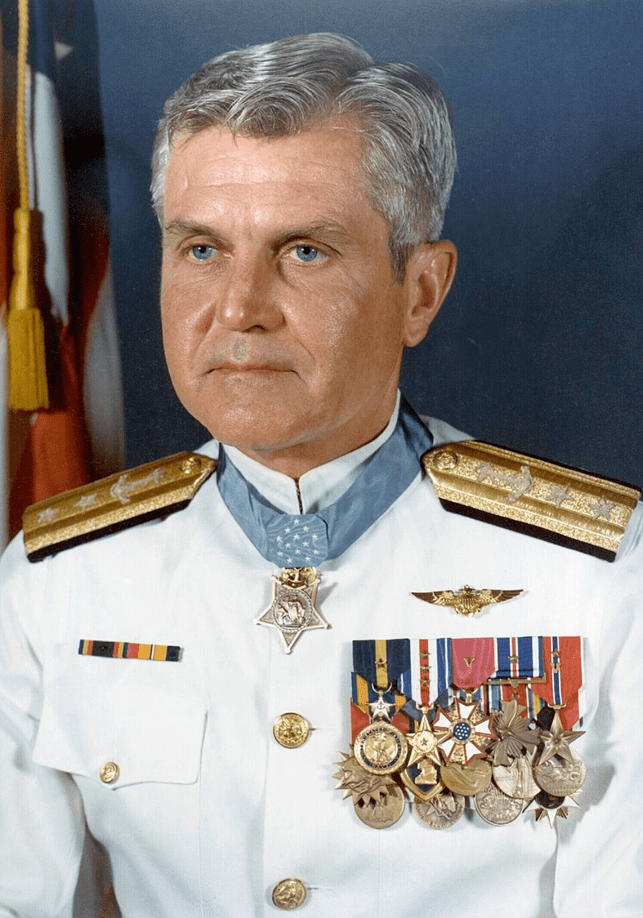
December 23, 1923 – July 5, 2005
“The worst thing that can happen is death, and that’s not the worst thing in the world either.”
Continue reading “Remembering VADM James B. Stockdale, USN, (Ret.)”
