
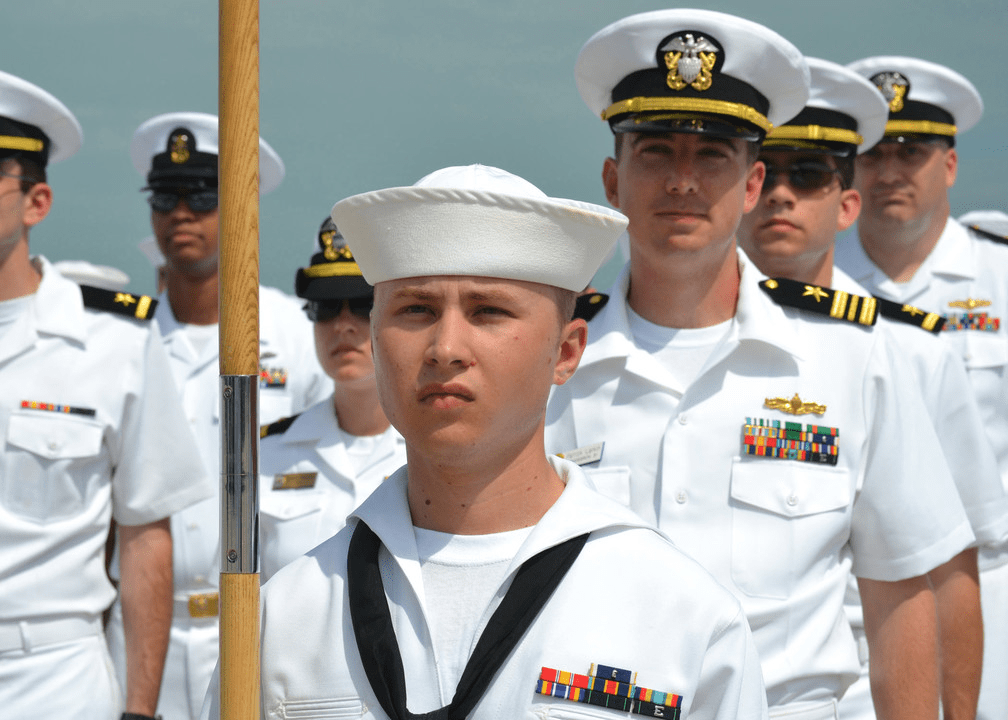
In the ever-evolving landscape of naval warfare, success hinges not only on advanced technology and strategic assets but also on the leadership traits of those who guide and execute the mission. Effective warfighting development requires a seamless alignment of vision, mission execution, tactical expertise, and leadership at all levels of command. Each rank within the Navy carries distinct responsibilities and expectations, shaping a culture of excellence and adaptability. This article explores the key traits associated with each rank, highlighting how they collectively contribute to the Navy’s operational success.
Captain – Vision
At the top of the tactical chain, the Captain is the architect of success, responsible for defining and communicating a clear, strategic vision. The Captain must anticipate future challenges and opportunities, aligning the unit’s capabilities and readiness with broader operational goals. This vision provides direction and purpose, ensuring that every action and decision supports the overarching strategy.
A successful Captain possesses the ability to see the big picture, balancing immediate operational demands with long-term strategic positioning. They must inspire confidence and clarity within the ranks, ensuring that every officer and enlisted member understands their role in achieving the mission. The Captain’s vision serves as the guiding force that unifies the team and enables effective decision-making under pressure.
Commander – Mission
While the Captain establishes the vision, the Commander is tasked with translating that vision into action. The Commander’s primary responsibility is to execute the mission with precision and adaptability. This requires a deep understanding of the operational environment, the capabilities of their unit, and the strategic intent of higher command.
Commanders must be decisive, resilient, and capable of making tough decisions under pressure. Their ability to adapt to changing circumstances while keeping the mission on track is critical to operational success. A Commander’s leadership ensures that the team remains focused, cohesive, and motivated—even when facing adversity.
Lieutenant Commander – Foresight and Mentorship
The Lieutenant Commander plays a crucial role in bridging strategic objectives with tactical execution. Foresight—the ability to anticipate future challenges and operational shifts—is key at this level. Lieutenant Commanders are expected to identify potential obstacles and opportunities, preparing their teams to respond with agility and confidence.
In addition to operational foresight, Lieutenant Commanders serve as mentors to junior officers. Their experience and insight help to shape the next generation of naval leaders. By offering guidance, feedback, and support, they cultivate a culture of continuous improvement and professional development. Their ability to mentor while maintaining operational focus strengthens the overall resilience and effectiveness of the unit.
Lieutenant – Proficiency (Tactical and Technical)
Lieutenants are the tactical and technical experts within the unit. Their deep understanding of systems, weapons, and operational procedures makes them invaluable assets during mission execution. Lieutenants are expected to demonstrate mastery of their craft, ensuring that operations are conducted with precision and efficiency.
Beyond technical proficiency, Lieutenants must also possess strong tactical acumen. This includes the ability to assess threats, identify vulnerabilities, and adjust tactics in real-time. Their expertise enables them to make critical decisions quickly and effectively, ensuring that the unit maintains a tactical edge in complex and fast-paced environments.
Lieutenant Junior Grade – Leadership
The Lieutenant Junior Grade (LTJG) is at the developmental stage of leadership, where they begin to take on greater responsibility for managing personnel and executing tasks. Effective leadership at this level requires confidence, adaptability, and strong communication skills.
LTJGs are expected to lead by example, fostering trust and cohesion within their teams. They must learn to balance directive leadership with collaborative problem-solving, ensuring that their team remains focused and motivated. The ability to lead with integrity and decisiveness at this level lays the foundation for future success as they progress through the ranks.
Ensign – Resourcefulness and Followership
At the entry level, Ensigns are expected to demonstrate resourcefulness and a strong capacity for followership. Resourcefulness means finding creative and effective solutions to challenges, even with limited experience or resources. Ensigns must quickly learn to navigate complex operational environments, applying their training to real-world situations.
Followership, however, is equally critical at this stage. Ensigns are expected to listen, learn, and execute orders with precision and discipline. Their ability to absorb knowledge from senior officers and integrate feedback into their performance is essential for building a solid foundation for future leadership roles. Effective followership ensures that operations are executed smoothly and that the chain of command remains strong and cohesive.
Bottom line
Effective naval operations depend on the seamless integration of leadership traits at every rank. From the Captain’s strategic vision to the Ensign’s resourceful execution, each role contributes to the Navy’s overall operational effectiveness. By cultivating vision, mission execution, foresight, tactical proficiency, leadership, and resourcefulness at every level, the Navy ensures that it remains prepared to meet the challenges of an increasingly complex global security environment. This developmental framework not only strengthens individual performance but also reinforces the collective strength and adaptability of the force.
 Station HYPO
23 March 2025 at 18:43
You forgot who really keeps the Navy afloat, the Chief Petty Officer.
LikeLike
23 March 2025 at 18:43
You forgot who really keeps the Navy afloat, the Chief Petty Officer.
LikeLike