
MOC Intelligence Professionals Enable Decision Advantage for the High-End Fight
NIP Readbook, Fall/Winter 2025… by Lieutenant Bryan Smith, U.S. Navy
The Chief of Naval Operations’ “Fight from the Maritime Operations Center (MOC)” strategic priority represents a fundamental rethinking of how the Navy executes at the operational level of war. The MOC is no longer just a coordination hub—it must operate as the fleet commander’s primary warfighting platform. In a future “high end” fight, our adversaries will benefit from the significant recent investments they have made in intelligence, surveillance, and reconnaissance (ISR), as well as increasingly accurate long-range fires. Decisions made at the MOCs are integral to the U.S. Navy’s ability to conduct long-range fires while maneuvering to reduce unit vulnerability and proactively driving fleet replenishment to sustain combat operations.

Featured image: “The Spooks” of the USS Fox (DLG–33/CG-33) – Positive Identification Radar Advisory Zone, PIRAZ, Gulf of Tonkin, 1971. Special thanks to Bill Scholz for allowing his picture to be used on this post.
During the Vietnam War and other major conflicts, the U.S. Navy operated a select group of ships known as PIRAZ stations, short for Positive Identification Radar Advisory Zone. These vessels, often referred to by their radio callsign “Red Crown,” formed the backbone of radar coverage and command coordination for friendly aircraft in designated combat zones.
Continue reading “The Navy’s “Red Crown”: Guardians of the Skies – The Role of PIRAZ Stations”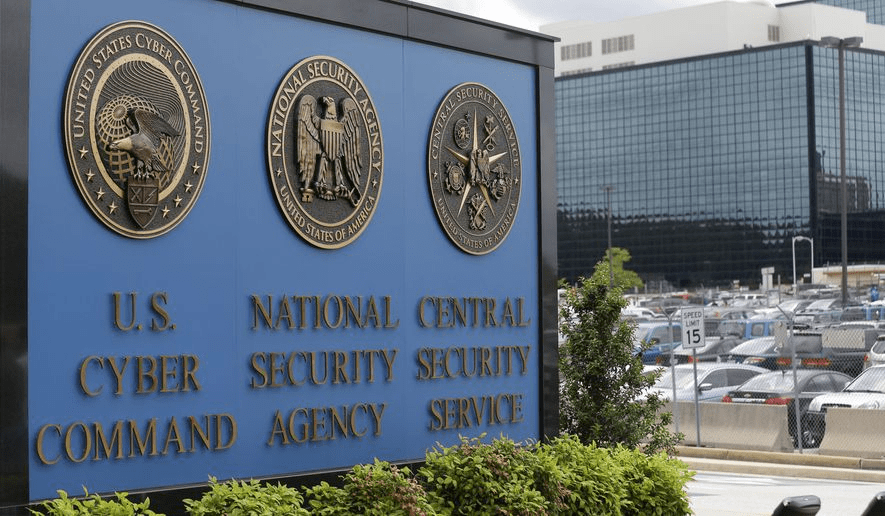
The Department of Defense is revising its cyber force generation model to give U.S. Cyber Command more control over recruitment and training as the Pentagon works to counter China in the cyber domain.
Continue reading “Pentagon revises cyber force generation model to increase lethality”
This post has been updated with a statement from U.S. Pacific Fleet.
American and Philippine defense secretaries unveiled a task force designed to deter Chinese coercion in the South China Sea and enhance alliance defense cooperation.
Continue reading “U.S. Unveils Philippine Task Force to Deter Chinese Coercion”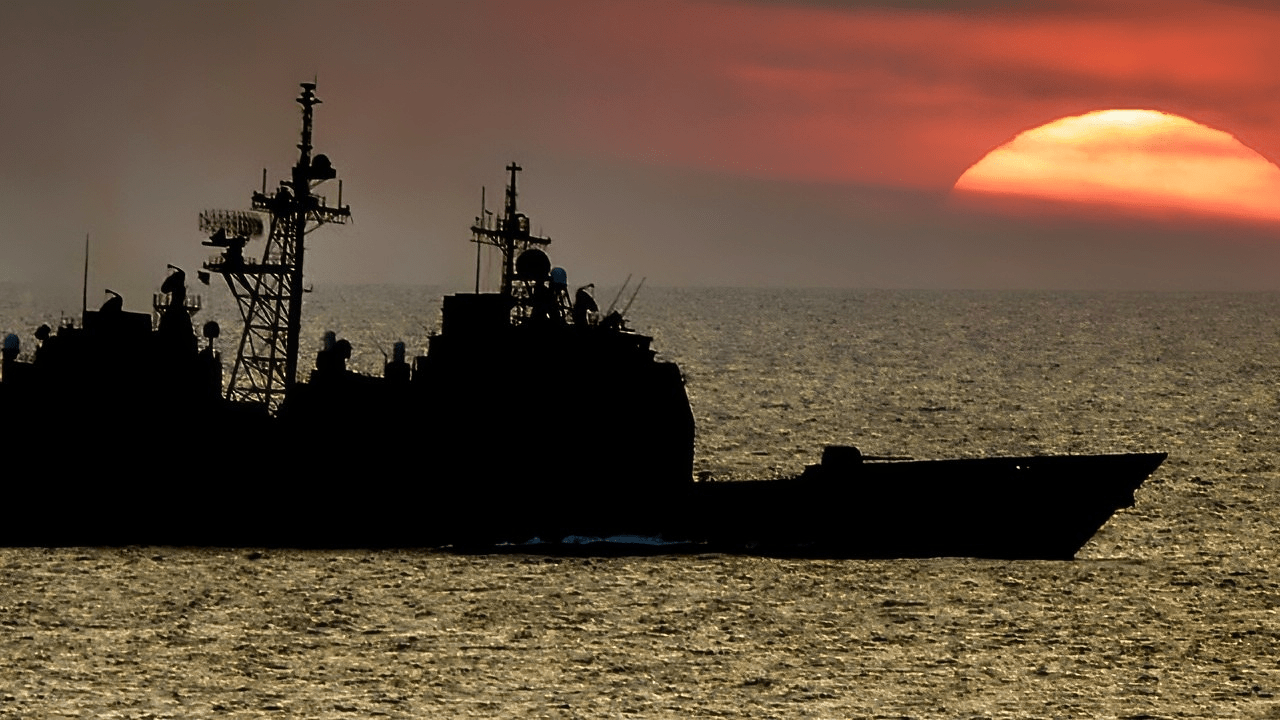
Key Points and Summary – The U.S. Navy’s ambitious Cruiser Modernization Program for its aging Ticonderoga-class ships was a high-profile failure.
-A damning GAO report revealed the Navy wasted $1.84 billion modernizing four cruisers that were ultimately divested before ever deploying.
-The program was plagued by soaring costs (over $500 million per ship), poor contractor performance, and the extreme technical difficulty of integrating modern systems onto 1980s-era hulls.
-The Navy ultimately concluded it was no longer cost-effective, canceling the program in favor of the new DDG(X) destroyer.
Continue reading “The U.S. Navy’s Big Ticonderoga-Class Mistake Still Stings”
Experts say the U.S. military is at risk of being outgunned and outmanned in cyber warfare.
The U.S. military is hemorrhaging talent in cyber warfare, which national security experts warn could lead to America being outgunned and outsmarted by adversaries such as China, Russia, or Iran, who could use cyber weapons to wreak havoc on American military and civilian infrastructure.
Continue reading “Does the US military need a Cyber Force?” Station HYPO