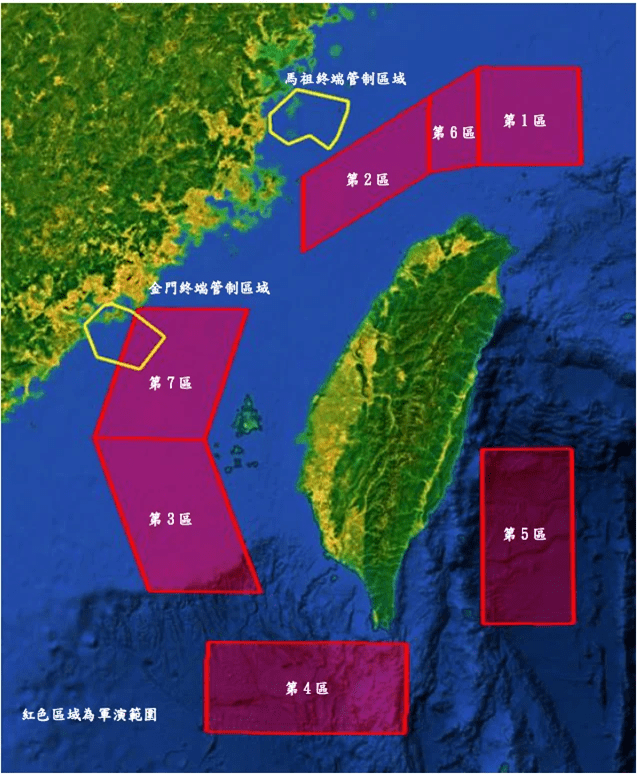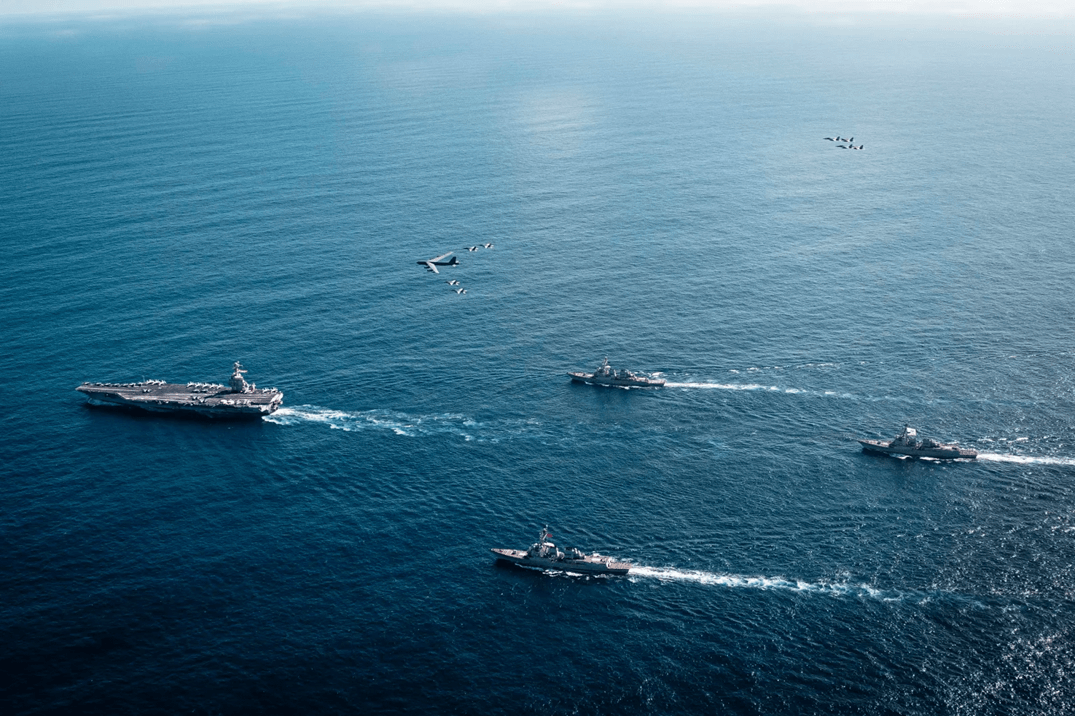
The Chinese Communist Party and its military forces are preparing the entire country for a future war with the United States over Taiwan, the hot spots in the South China Sea or disputed territory near Japan, according to a new report by a congressional China commission.
Continue reading “China Preparing Its Population For War With U.S.”MANILA, Philippines (AP) — Philippine forces transported food, fuel and new personnel to a territorial outpost in a long-disputed shoal i n the South China Sea, where Chinese government ships jammed communications during the hourslong supply mission as part of Beijing’s security practice in the far-flung atoll, two top officials in the Philippines said Tuesday.
Continue reading “Chinese ship jams communications as Filipino forces deliver supplies to Philippines-occupied shoal”The Space Development Agency and its industry partners are closer to creating interoperable laser communications networks on orbit, experts said recently.
Continue reading “Space-Based Laser Communications Making Strides”The Fujian and its strike group represent a strategic game changer that will bring Beijing closer to its goal of eroding U.S. maritime primacy in its backyard.
China’s efforts to blunt American maritime power in the Pacific, a region the United States has long considered its domain, received a major boost this month with the official launch of its third — and most advanced by far — aircraft carrier, the Fujian.
Continue reading “China’s new aircraft supercarrier challenges U.S. dominance in Pacific”MOC Intelligence Professionals Enable Decision Advantage for the High-End Fight
NIP Readbook, Fall/Winter 2025… by Lieutenant Bryan Smith, U.S. Navy
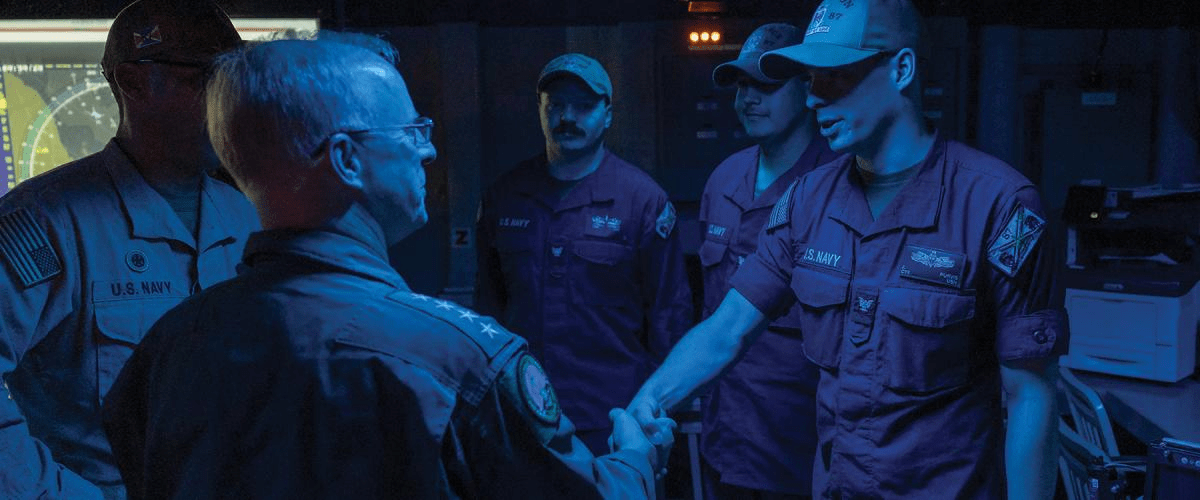
The Chief of Naval Operations’ “Fight from the Maritime Operations Center (MOC)” strategic priority represents a fundamental rethinking of how the Navy executes at the operational level of war. The MOC is no longer just a coordination hub—it must operate as the fleet commander’s primary warfighting platform. In a future “high end” fight, our adversaries will benefit from the significant recent investments they have made in intelligence, surveillance, and reconnaissance (ISR), as well as increasingly accurate long-range fires. Decisions made at the MOCs are integral to the U.S. Navy’s ability to conduct long-range fires while maneuvering to reduce unit vulnerability and proactively driving fleet replenishment to sustain combat operations.
Featured image: “The Spooks” of the USS Fox (DLG–33/CG-33) – Positive Identification Radar Advisory Zone, PIRAZ, Gulf of Tonkin, 1971. Special thanks to Bill Scholz for allowing his picture to be used on this post.
During the Vietnam War and other major conflicts, the U.S. Navy operated a select group of ships known as PIRAZ stations, short for Positive Identification Radar Advisory Zone. These vessels, often referred to by their radio callsign “Red Crown,” formed the backbone of radar coverage and command coordination for friendly aircraft in designated combat zones.
Continue reading “The Navy’s “Red Crown”: Guardians of the Skies – The Role of PIRAZ Stations”