
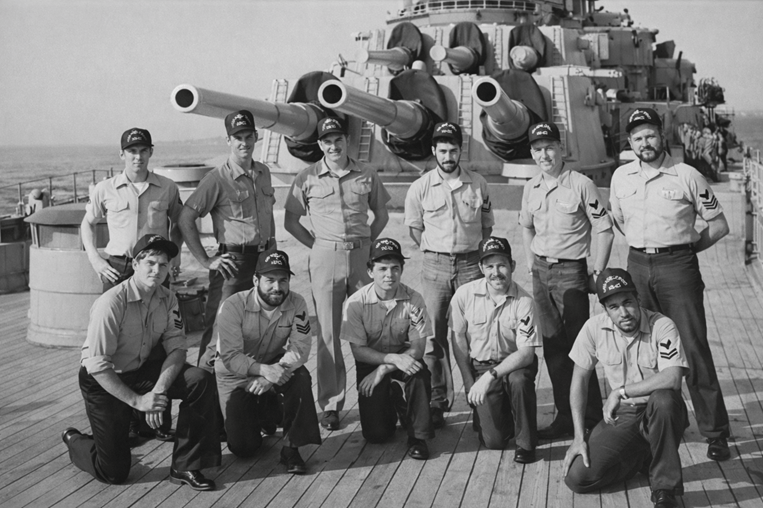
Recently (1983) the NCS Combat DIRSUP Team who served aboard the USS NEW JERSEY (BB 62) returned home. After 77 days at sea, our deployment CT’s marked another historical milestone. They were the first CT’s ever to serve aboard a battleship in support of Eastern Mediterranean fleet activities.
Continue reading “First CT’s Ever on Battleship in Med – Pride Runs Deeper than the Deep Blue Seas”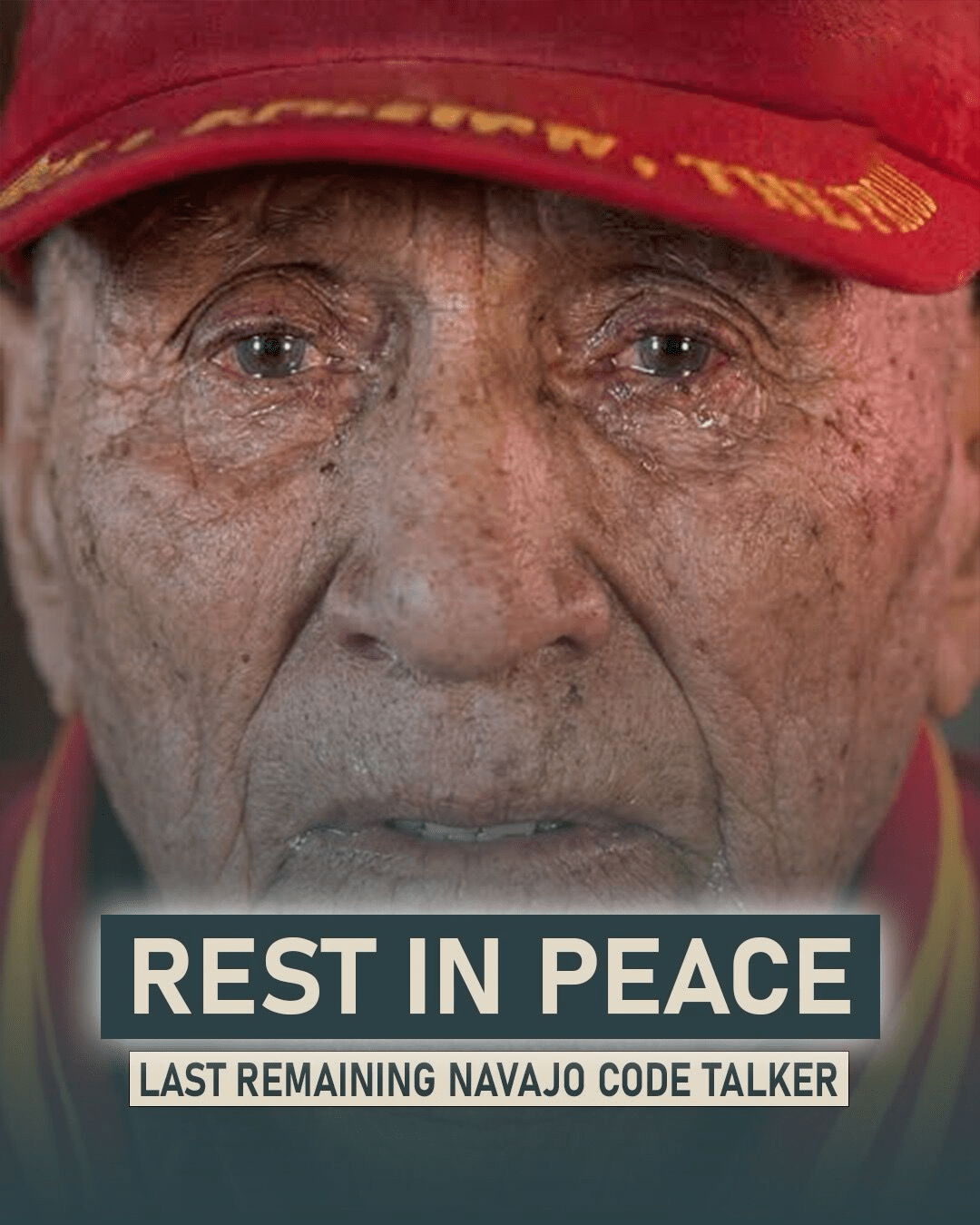
With heavy hearts and deep respect, we bid farewell to John Kinsel Sr. (January 22, 1917 – October 19, 2024) a revered elder, and one of the last surviving Navajo Code Talkers.
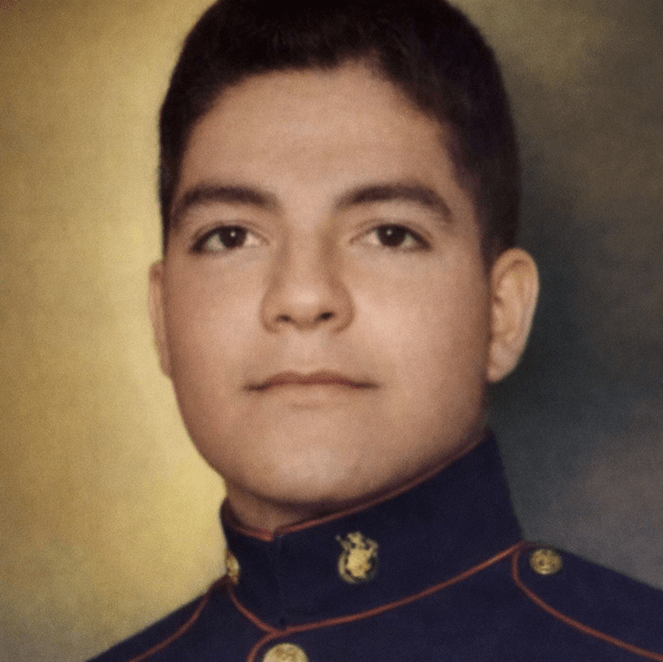
SSgt Alfred T. Dwyer, USMC, (Cryptologist), KIA Vietnam
February, 18 1935 – January 30, 1968
A note from Duffy Merrill, the NCVA Biographer:
When an NCVA member passes and wishes for their obituary to accurately reflect their service as recorded by NCVA, it is essential that their information be submitted to the NCVA Biographer. To support this process, the NCVA Biographer maintains two databases: a Main Database and a Duty Station Database.
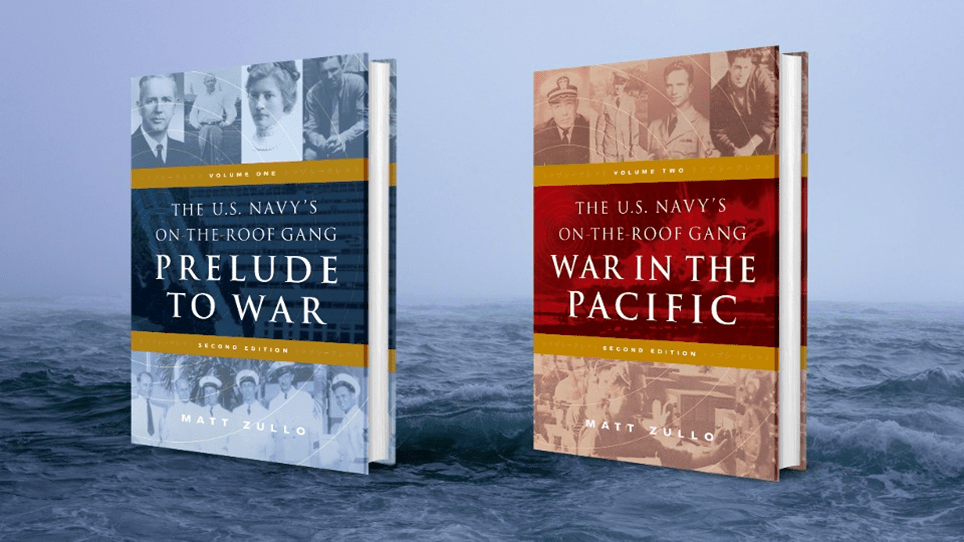
by Matt Zullo, CTICM(ret.)
2001 OTRG award winner
OTRG Historian and Author
As many of you likely know, I published a pair of books in 2020 about our very own “On-the-Roof Gang,” the US Navy’s cryptologic pioneers. Thanks to you, these books have sold well and have garnered some amazing reviews on many online retailer websites. Since then, I have continued my research into the group, finding new information and new photographs that are pertinent to the story. I am very excited to announce that I have published a Second Edition of both volumes of the books.
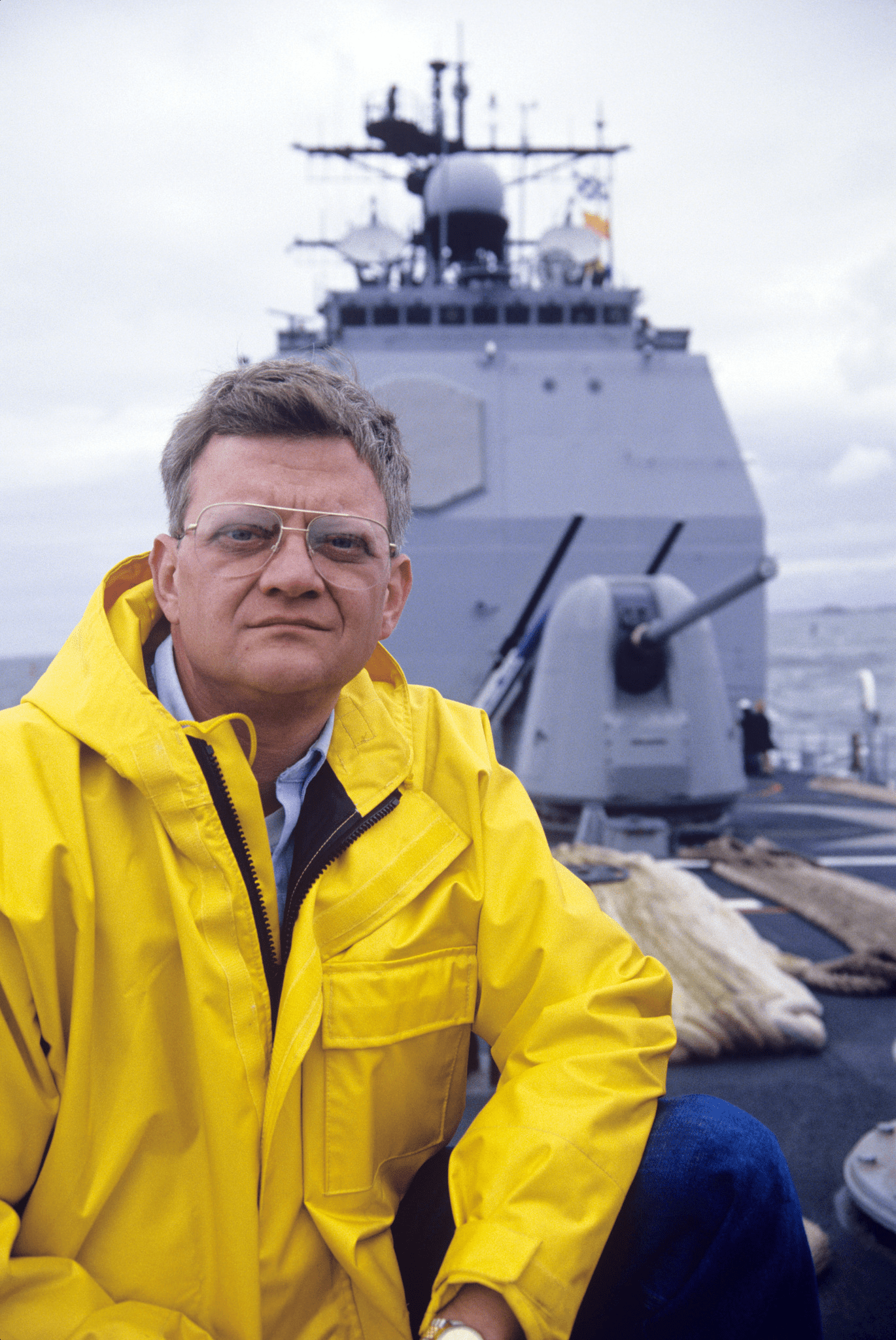
In 1982, an insurance agent with a fascination for naval history and Cold War strategy sat down to write a novel. He had no grand expectations—just a hope that maybe 5,000 readers would buy his book. That writer was Tom Clancy, and the manuscript was The Hunt for Red October.
Continue reading “Tom Clancy and The Hunt for Read October” Station HYPO