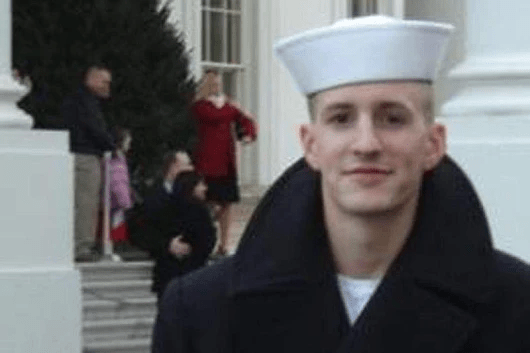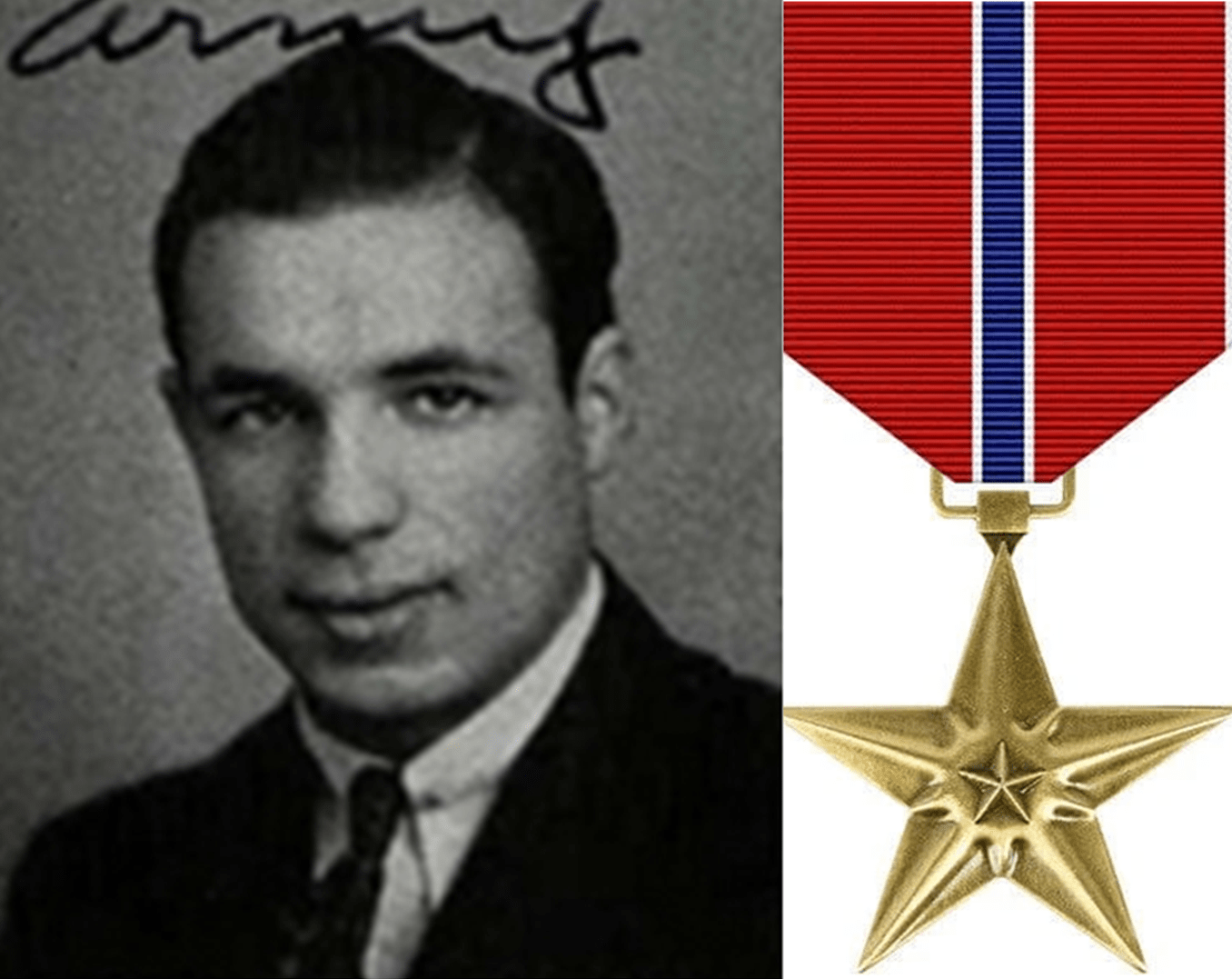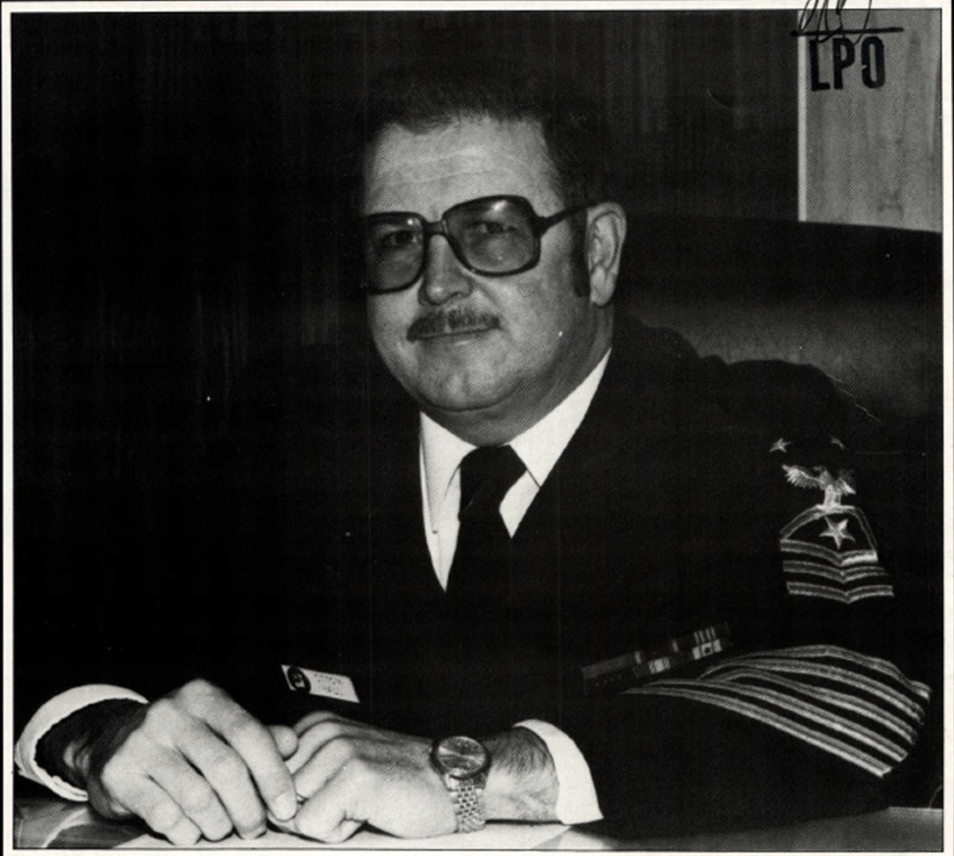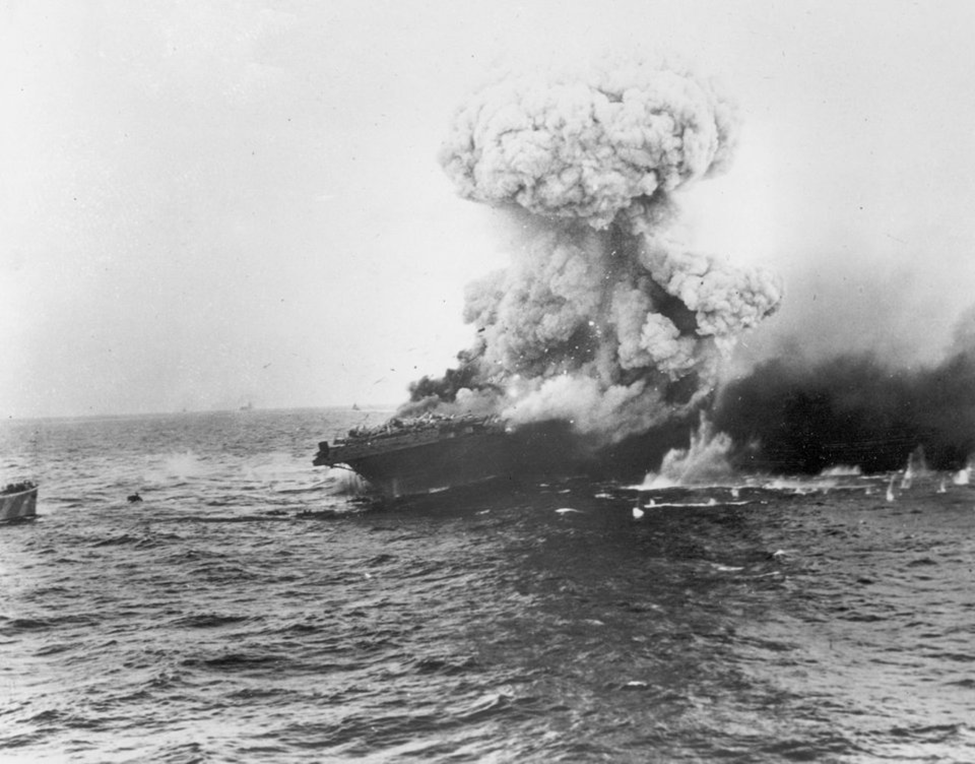
A native of Clevelands Cross Roads, Alabama, Captain Don C. East enlisted in the United States Navy in 1957. Following boot camp, he attended Cryptographic Technician “R” and “T” Branch training at Imperial Beach and March AFB, California. He then served operational tours at Karamursel, Turkey and Bremerhaven, Germany. During these tours, he participated in operations involving the support of VQ-2 missions in the Black and Baltic Seas.
Continue reading “Remembering Captain Don C. East, USN, (Ret.) (Cryptologist)”Out of an abundance of caution, I have taken the liberty of permanently deleting several posts on Station HYPO that recognized individuals for achievements and milestones, including Women’s History Month, Black History Month, promotion selections, and similar acknowledgments.
If you have concerns about your information appearing on Station HYPO, please visit the homepage at https://stationhypo.com/ and search for your name.
If you find a post that I may have missed and would like it permanently removed, please contact me at mario.vulcano62@gmail.com, and I will take care of it promptly.
Thank you,
Mario
Executive Summary:
This paper argues that the U.S. intelligence community failed to anticipate the 1979 fall of the Shah of Iran because it relied on a narrow rational actor model that equated Iran’s stability with the Shah’s personal authority, ignoring deeper social, religious, economic, and military fractures. By contrast, applying principles of chaos theory and self-organizing criticality reveals Iran in the 1970s as a metastable system marked by weak cohesion, escalating conflict energy, sensitivity to small triggering events, and nonlinear dynamics. Seemingly minor incidents—such as protests, political debates over arms sales, or the growing influence of Ruhollah Khomeini—interacted in unpredictable ways that amplified instability and ultimately led to regime collapse. While chaos theory would not have predicted the precise timing of the Shah’s departure, it would have highlighted structural vulnerabilities and warned policymakers that Iran was approaching critical instability, allowing for better-informed strategic adjustments.
Established in May 1946, U.S. Naval Security Group Activity (NSGA) Cape Chiniak, Alaska relocated to Elmendorf AFB, near Anchorage on April 11, 1966 establishing NSGA Anchorage. The communications facility located included an operations building located outside of the the AN/FLR-9 Circularly Disposed Antenna Array (CDAA), also known as a Wullenweber antenna array. NSGA Anchorage continued operations for the next 32 years and on February 28, 1998 the command was disestablished.
Continue reading “NSGA Anchorage Disestablished, February 28, 1998”Remembering CTC Melvin Douglas Smith
February 27, 1938 – June 8, 1967
It was 1989. I was a CTR2 on my first Western Pacific deployment, stationed at NSGA Pearl Harbor, Hawaii, serving as a direct support operator. I received TAD orders to report to USS ENTERPRISE (CVN-65), homeported in Alameda, California. The Enterprise was 26 years old, and this would be the “Big E’s” final deployment — a round-the-world cruise before heading to the Philadelphia Naval Shipyard for decommissioning. Hence the patch: “Final Voyage.”
Continue reading “Why I Spent Over 23 Years in the Navy.”