
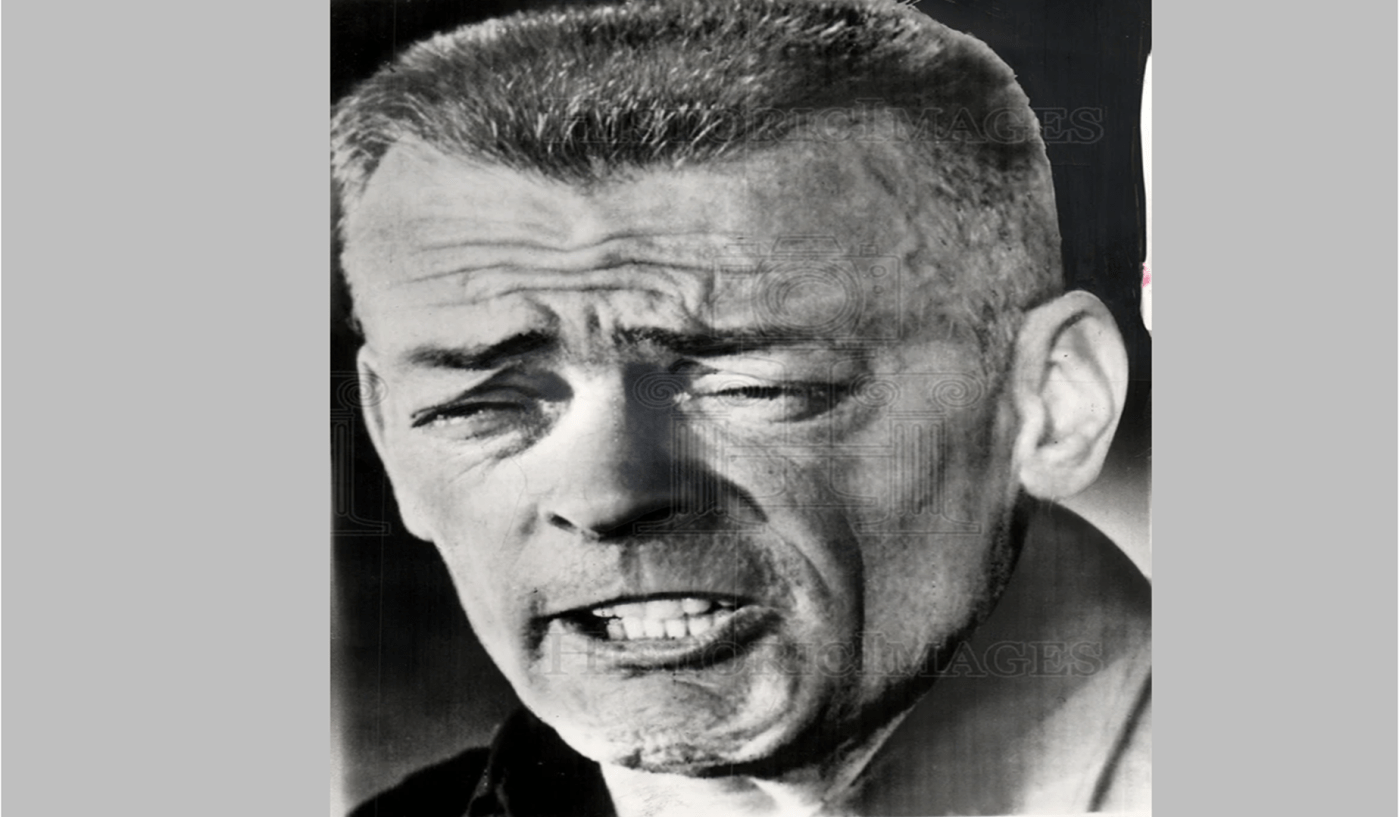
Glorious General (G.G.) unleashed a furious barrage of accusations against the Americans, his voice rising in shrill anger. Many of his charges were absurd—he claimed the crossword puzzles exchanged between crewmen were coded messages and accused them of passing “pages of secret” among themselves. In truth, those “secret pages” were nothing more than parts of an amateur pornographic novel written by one of the enlisted men. Yet, some of his suspicions were not entirely unfounded. Several sailors had, in fact, lied during interrogations and written “insincere” letters home to their families.
When his tirade ended, G.G. dismissed everyone except Commander Bucher. Alone with the captain, he continued his verbal assault for hours, threatening him with trial and certain execution.
Bucher returned to his room exhausted and convinced his time was running out. He quickly passed word to his men to destroy the hidden radio and any other contraband that could be discovered.
“The shit’s hit the fan,” he warned them. “We’re heading into rough waters.”
The first week of December brought bitter winds that swept across the prison compound, while patches of ice glittered in the rice paddies beyond the walls.
On December 7, 1968, the Bear struck again. The brutal guard attacked several men, but Chief Engineman Monroe Goldman received the harshest beating. The communists seemed to harbor a particular hatred for the wiry Californian, who had served aboard a ship that helped plant mines in Wonsan Harbor during the Korean War. When Bucher later saw him, he was horrified—Goldman’s eyes were swollen shut, his face covered in deep bruises, his mouth split open, and he could barely walk. Despite the pain, the chief had fought back during the savage beating, which led to the exposure of the crew’s hidden act of defiance—the true meaning of the “Hawaiian good-luck sign.”
“Captain, I’m sorry, but they know about it,” Goldman whispered. “Just couldn’t hold out any longer.”
“I understand that, Chief,” Bucher replied.
The captain then issued orders that if anyone was questioned about the gesture, they were to tell the truth. No one else, he decided, should have to suffer for a secret that was already lost.
Source “Act of War”, by Jack Cheevers
 Station HYPO
Leave a comment