
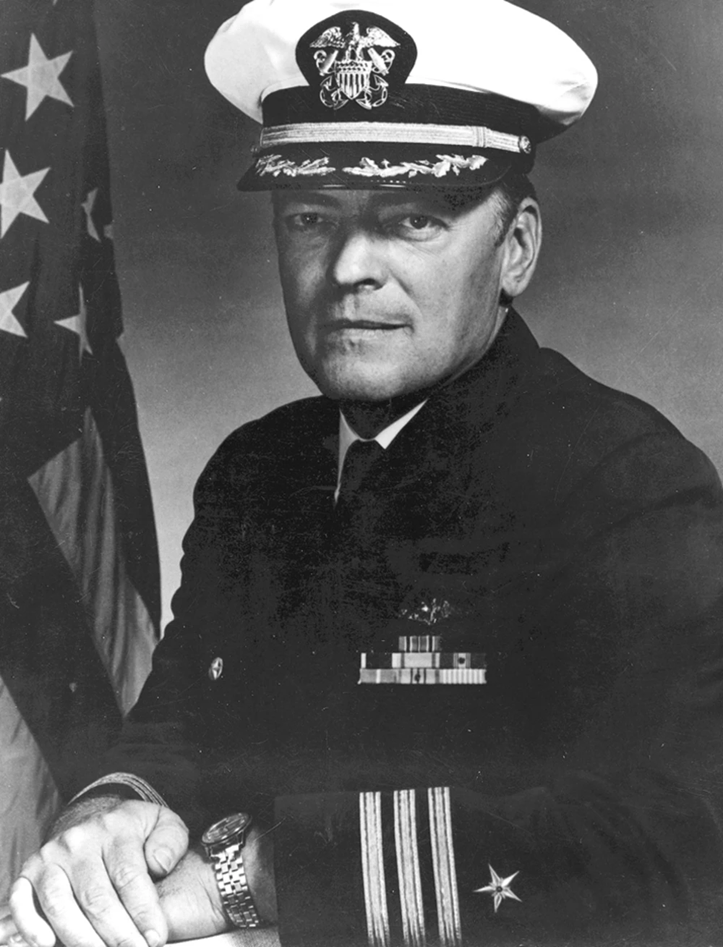
After nine days confined in the Barn (prison), Commander Lloyd “Pete” Bucher still wore the same bloodstained, dirt-caked uniform he had been captured in. The stench of his own unwashed body nearly made him gag. It was a miracle, he thought, that his wounds had not become infected in such squalor. Rats scurried freely through the latrine, and whenever he lay down, swarms of tiny gray bugs emerged from his rice-husk mattress to bite him raw.
Bucher’s thoughts constantly circled back to one desperate goal—finding a way to signal the U.S. government that the Pueblo had never entered North Korean waters and that any statements to the contrary were lies extracted through torture and coercion. He also searched for some means to reach out to his men, each one isolated in separate cells, enduring his own private ordeal.
Although several crewmen had been beaten severely, Bucher began to suspect the North Koreans were not trying to kill them. In fact, the frequency and severity of the abuse appeared to be tapering off. When a guard got too carried away, a North Korean officer often stepped in to restrain him.
Still, the captors maintained an atmosphere of constant fear. One day, an officer Bucher had never seen before burst into his cell and screamed, “Speak Korean? You speak Korean?” The captain instantly recognized the danger of the question. He knew the communists might consider anyone with knowledge of their language a spy.
Bucher firmly denied that he or his men spoke anything but English. That night, a violent struggle broke out in the corridor. Shouts and blows echoed through the walls. Bucher’s heart pounded as he wondered whether the North Koreans had targeted Marines Hammond or Chicca. Later, he glimpsed an American being carried past his door on a stretcher, his face swollen and bloodied. In the dim light, Bucher couldn’t tell who it was.
On another night, he was brought before a North Korean in a blue naval uniform. The officer’s grim scowl underscored the gravity of what he was about to declare. Through an interpreter, he announced a set of “rules of life” that every prisoner must follow—under penalty of severe punishment. Bucher listened carefully as the list was read aloud:
- The daily schedule will be strictly observed.
- You will always display courtesy to the duty personnel when they enter your room.
- You must not talk loudly or sing in your room.
- You must not sit or lie on the floor or bed except during prescribed hours; otherwise, you should sit on the chair.
- You must wear your clothes at all times except when washing your face or in bed.
- You must take care of your room, furniture, and all expendables issued to you.
- You will keep your room and corridors clean at all times.
- You will entertain yourself only with the culture provided.
- If you have something to do, ask permission from the guards, who will escort you to the appropriate place.
As Bucher trudged back to his cell, he pondered what these new “rules” meant. They implied that the North Koreans planned to keep their prisoners alive for the foreseeable future and wanted them to adopt an orderly, compliant routine. Ironically, the regulations resembled those of a U.S. military brig.
The prospect of execution slowly receded—until one night when a North Korean lieutenant and two soldiers burst into his cell around 10:30 p.m. The officer leveled a pistol at him. Bucher, who had just undressed for bed, froze.
“You must dress,” the officer barked. “Must hurry!”
A chill swept through the captain. So this is it, he thought. They’re going to hood me, shove me against a wall, and shoot me.
“You will go now for bath,” the lieutenant continued, his expression unchanged.
A bath—at this hour? Bucher’s fear deepened. He was certain this was merely a pretext for execution. He longed for it to be quick. If torture awaited, he resolved to fight back or bolt for the door—anything to force them to kill him fast. A strange calm settled over him as he dressed in his filthy uniform. The officer handed him a sliver of soap and a ragged towel, again urging him to move faster.
Escorted down the stairs and out into the cold winter night, Bucher drew a deep breath of crisp air. Above him, the sky glittered with stars. If this is my last night alive, he thought, it’s a beautiful one. He crunched through the snow toward a waiting bus. Two guards climbed in behind him, and the vehicle jolted forward into the darkness.
Bucher assumed they were taking him to the dungeon where he had earlier seen a mutilated South Korean prisoner. But before reaching that dreadful place, the bus slowed—and stopped.
Source “Act of War”, by Jack Cheevers
 Station HYPO
Leave a comment