
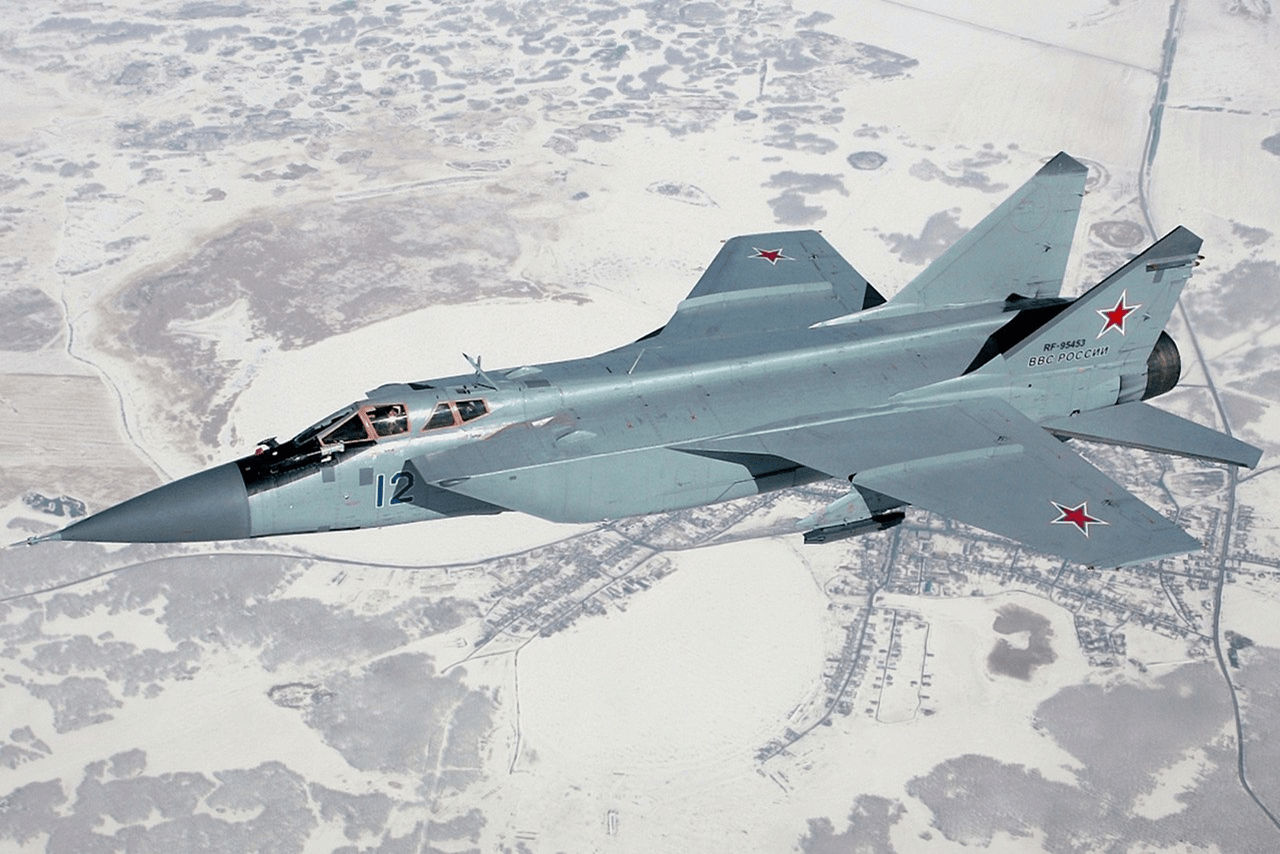
On September 19, 2025, Estonia accused Russia of flying three MiG-31 (Foxbat) fighter aircraft into its airspace near Vaindloo Island over the Gulf of Finland. According to the Estonian Ministry of Defense, the jets penetrated the country’s sovereign territory for approximately 12 minutes without flight plans, with transponders switched off, and without responding to Estonian air traffic control. NATO aircraft—Italian F-35s operating under the Baltic Air Policing mission—were scrambled in response.
The Estonian government described the incident as “an unprecedentedly brazen violation” of its sovereignty, pointing to the deliberate and extended nature of the intrusion. Tallinn has formally invoked NATO’s Article 4, requesting consultations with its allies on the security implications of the incursion.
Russia’s Denial
In Moscow, the Ministry of Defense flatly rejected Estonia’s account. Russian officials claimed the aircraft were flying a routine mission from Karelia to Kaliningrad, remaining over neutral waters of the Baltic Sea and never closer than three kilometers to Estonian territory. The ministry insisted that the flight was conducted “in strict accordance with international rules” and did not deviate from its planned route.
This denial echoes a familiar pattern in regional security disputes, where Russian military aircraft have frequently been accused of flying near or briefly crossing NATO airspace.
Why It Matters
While NATO airspace violations by Russian aircraft are not new, the alleged scale and duration of this episode make it stand out. A 12-minute intrusion by three fighter jets represents a significant escalation compared to the more common “border brushing” maneuvers that typically last only seconds.
For Estonia—a small NATO member sharing a border with Russia—the incident reinforces long-standing fears of vulnerability. It also raises questions about Russia’s intent: was this a navigational error, a calculated show of force, or a deliberate attempt to probe NATO’s readiness and resolve?
NATO’s Position
NATO officials have expressed support for Estonia and emphasized the alliance’s commitment to collective defense. The quick scramble of Italian F-35s demonstrated both the vigilance of the Baltic Air Policing mission and the alliance’s ability to respond rapidly to incursions. Still, the situation underscores the difficulty of managing tensions in the Baltic region, where national borders, international airspace, and military patrol routes converge within a relatively confined area.
Strategic and Political Impact
The alleged airspace violation is likely to have several consequences:
Alliance Cohesion: Estonia’s invocation of Article 4 ensures that NATO allies must now discuss a collective response. While not equivalent to the mutual defense clause of Article 5, Article 4 consultations often result in stronger political statements, additional military deployments, or heightened readiness.
Deterrence Signaling: If confirmed, the incursion may lead NATO to bolster its air policing rotations, expand surveillance capabilities, and enhance its forward presence in the Baltic states.
Russia–West Tensions: The episode risks deepening mistrust between Moscow and NATO capitals. Even if unintentional, repeated incidents of this nature feed narratives of provocation and escalation.
Domestic Messaging: For Estonia, the incident reinforces its role as a front-line state and justifies continued calls for robust NATO support. For Russia, denial of wrongdoing allows it to maintain plausible deniability while signaling strength to domestic audiences.
Conclusion
Whether viewed as a deliberate provocation or an unfortunate miscalculation, the alleged incursion into Estonian airspace represents a serious challenge to regional security. It tests NATO’s ability to maintain unity, deterrence, and calm under pressure, while highlighting how quickly small incidents can escalate into broader crises.
For Estonia and its Baltic neighbors, the message is clear: vigilance remains essential, and NATO solidarity is more critical than ever.
 Station HYPO
20 September 2025 at 11:07
You get what you tolerate. If you let the Bolsheviks violate your sovereign territory with impunity they WILL do it again. This is not an opinion, this is a fact. Green sends.
LikeLike