
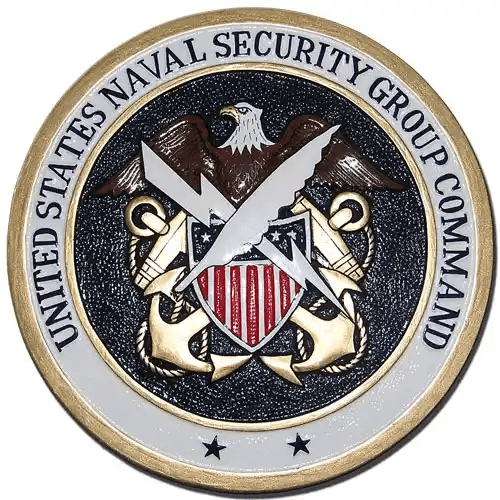
On September 30, 2005, the Naval Security Group Command (NAVSECGRU / Naval Security Group) was formally disestablished. Twenty years later—on September 30, 2025—that date stands as a milestone for reflection on one of the U.S. Navy’s most consequential signals-intelligence and cryptologic organizations. This article traces NAVSECGRU’s origins, evolution through wartime and the Cold War, its transition into the information-age Navy, and the legacy that followed its 2005 disestablishment.
Continue reading “Today marks the 20-year anniversary of the disestablishment Naval Security Group Command”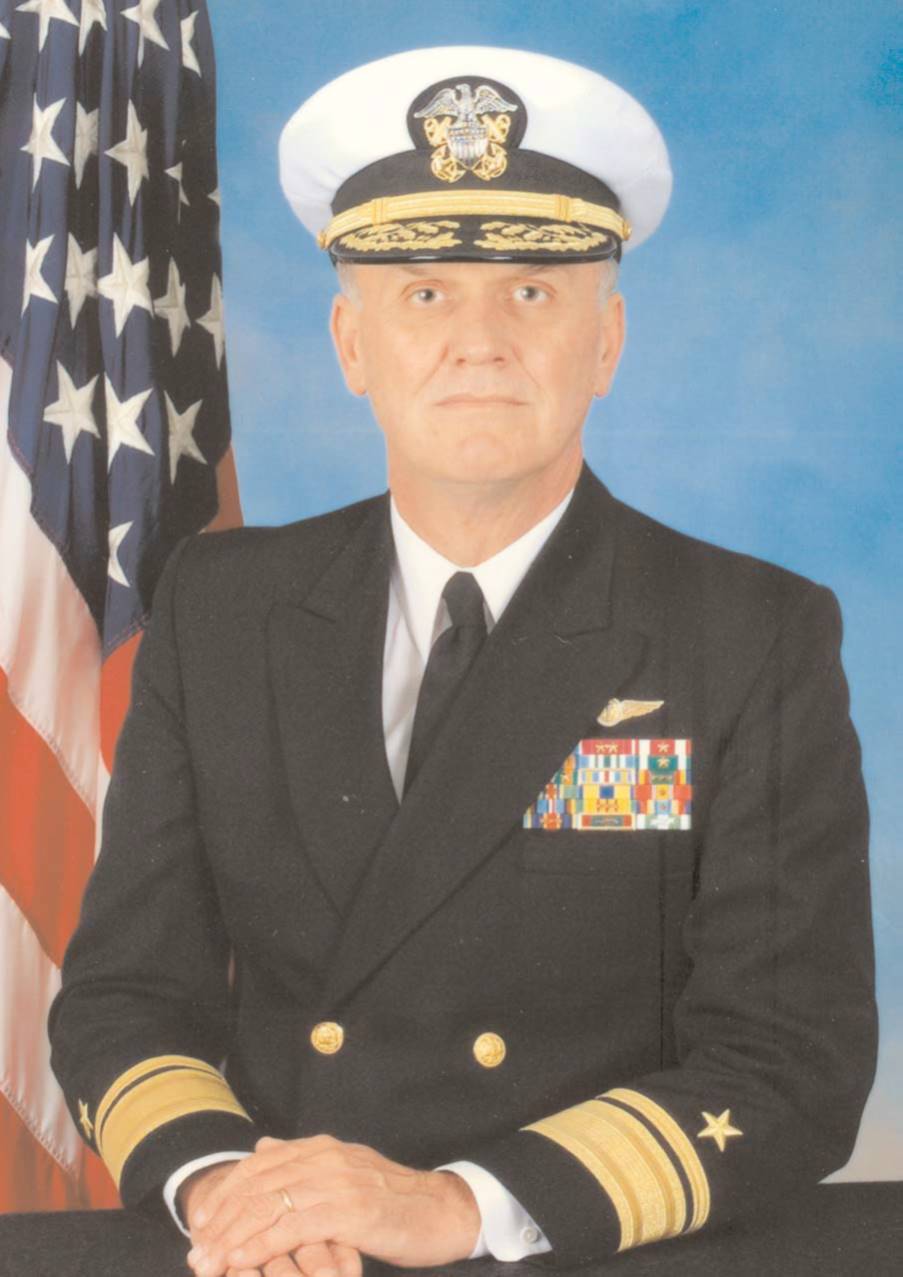
Rear Admiral Joseph Burns, who recently passed away, served with distinction as the 40th Commander of the Naval Security Group. He led the organization from September 2001 until 29 October 2004, a period marked by significant challenges and transformation within the cryptologic and information warfare communities. Under his leadership, the Naval Security Group continued its vital mission of providing timely, accurate, and relevant cryptologic support to the Navy and the joint force.
RADM Burns’s tenure was characterized by his dedication to advancing the capabilities of naval cryptology, strengthening the force, and preparing Sailors to meet the evolving demands of 21st-century warfare. His leadership left a lasting impact on the community and the Navy as a whole.
The following biography reflects the life and service of RADM Joseph Burns.
Continue reading “RIP RADM Joseph D. Burns, USN (Ret.), Cryptologist”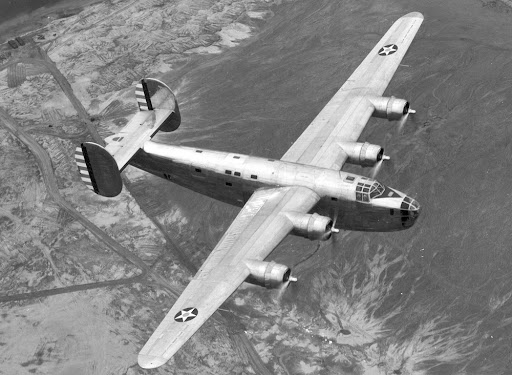
On November 2, 1942, Phil’s crew climbed aboard Super Man (B-24 LIBERATOR) and readied to go to war. They were heading into a desperate fight. North to south, Japan’s new empire starched five thousand miles, from the snowboard Aleutians to Java, hundreds of miles north of the equator.
Continue reading “Unbroken”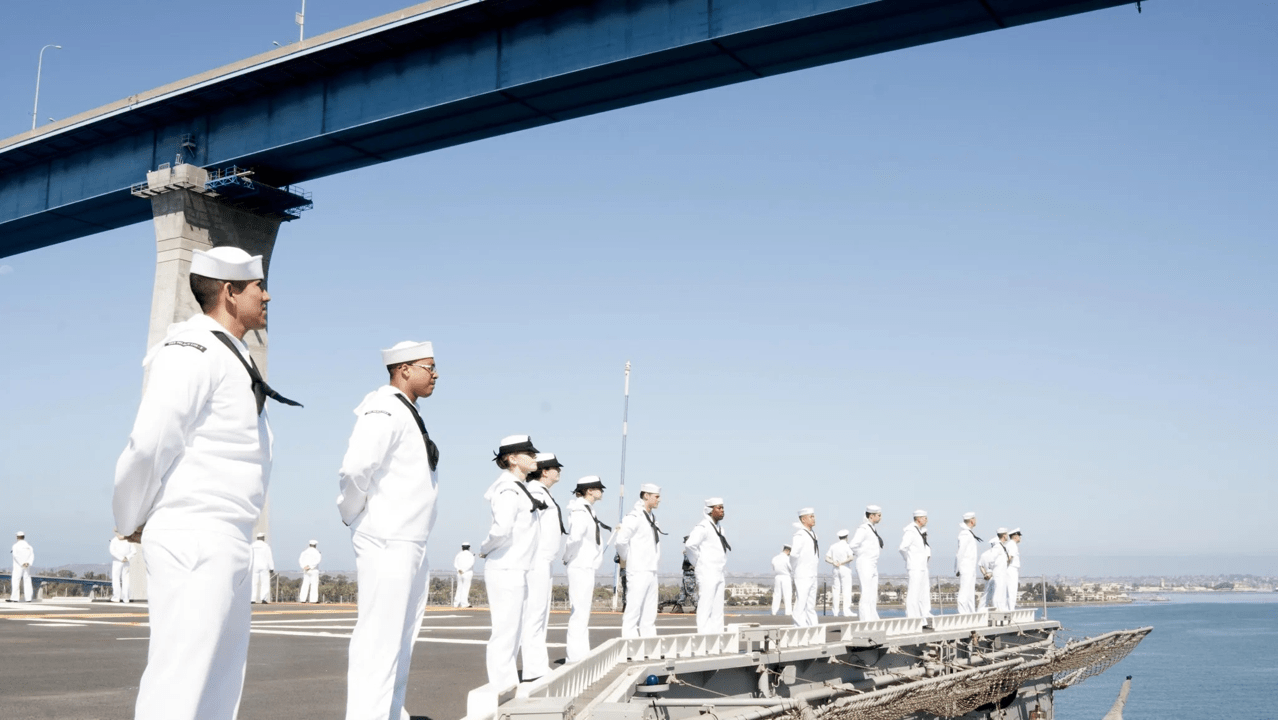
Capt. Russell A. Herrell was relieved of his duties on Tuesday as commanding officer of the Naval Information Force Reserve Readiness Center in San Diego.
Continue reading “Navy fires commanding officer of San Diego Reserve Center”
In the months leading up to the devastating Japanese attack on Pearl Harbor, few voices within the U.S. Navy spoke out with the clarity and conviction of Admiral James O. Richardson. As Commander in Chief of the U.S. Fleet (CINCUS) from January 1940 to February 1941, Richardson was uniquely positioned to assess the strategic posture of the Pacific Fleet. Yet despite his experience and reasoned objections, his warnings about relocating the fleet to Hawaii were ultimately disregarded—decisions that would have profound consequences for the United States and the course of World War II.
Continue reading “The Ignored Warning Before Pearl Harbor”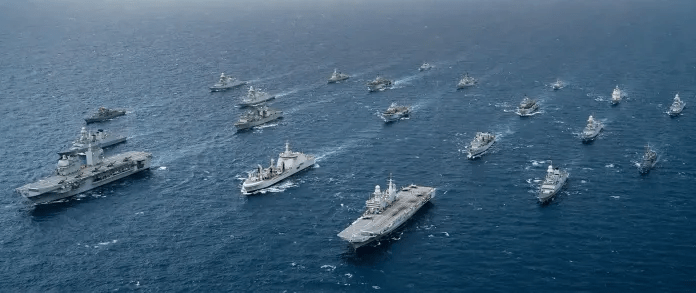
In the context of the deployment of the aircraft carrier HMS Prince of Wales and its Strike Group to the Indo-Pacific, the United Kingdom has confirmed that it is spearheading a proposal for France and Italy to join in a series of coordinated carrier missions in the region—aimed at clearly demonstrating Europe’s commitment to the security of its allies. The initiative would fall under the framework of the European Carrier Group Interoperability Initiative (ECGII), whose main objective is to enhance the ability of European navies to operate together as part of a combined Strike Group.
Continue reading “The navies of the United Kingdom, France, and Italy are planning a coordinated deployment of their aircraft carriers to the Indo-Pacific” Station HYPO