
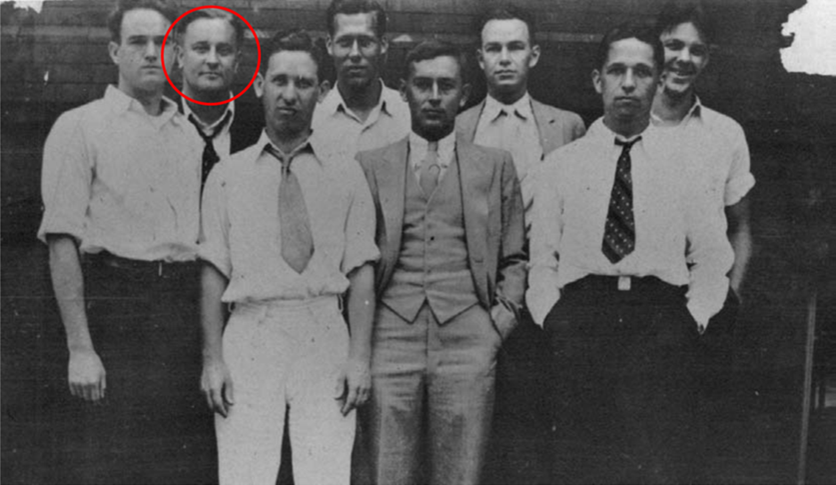
Radioman Second Class (RM2c) Walter Carl Rathsack was selected for the tenth class of the On-The-Roof Gang training that began in March 1933. Along with the other seven Radiomen in the class, he graduated in June 1933 and was ordered to Station BAKER in Guam. In the years leading up to World War II, Petty Officer Rathsack performed Radio Intelligence operations in Guam, Philippines and Hawaii.
Continue reading “The Most Dangerous Assignment”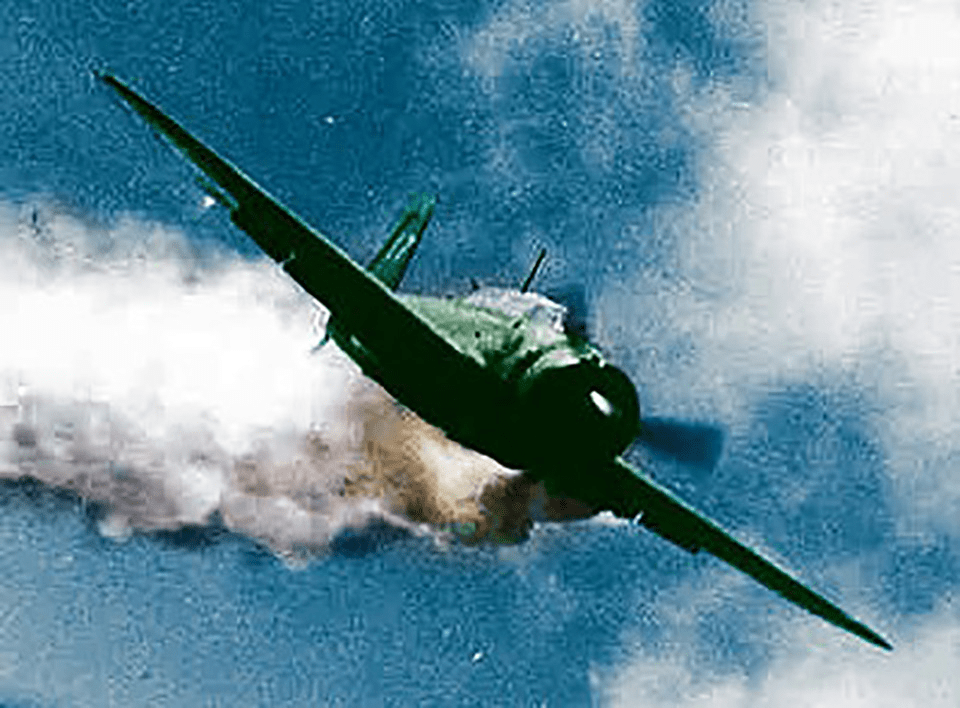
Quoting Captain Holmes again how the course of the War was changed the nature of our work:
“The virtual destruction of the Japanese Navy and the drastic reduction in the numbers of marus brought about changes in radio intelligence. It also forced the Japanese to suicide weapons of many varieties. Most effective were kamikazes which, in April and May 1945, took off from Kyushu in mass flights to attack U.S. ships in the vicinity of Okinawa. Kamikazes were the most serious threat the Navy faced during the war.”
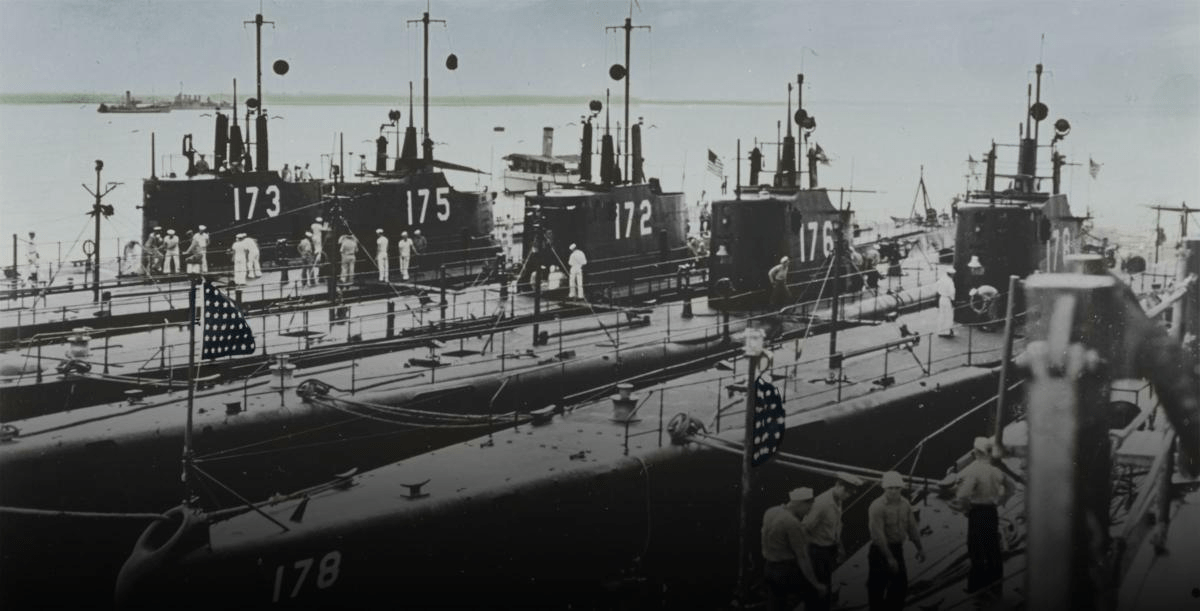
Clay Blair, Jr., who served as a Quartermasters, 2nd Class on submarines in WWII, wrote a 1,000 page book subtitled, The U.S. Submarine War Against Japan. He titled his book, SILENT VICTORY, because the skippers and crews like their comrades in radio intelligence were not permitted to discuss their exploits until after the War was over. In summary:
Continue reading “Silent Victory Beneath the Waves: Submarines, Radio Intelligence, and the Hidden War Against Japan During WWII”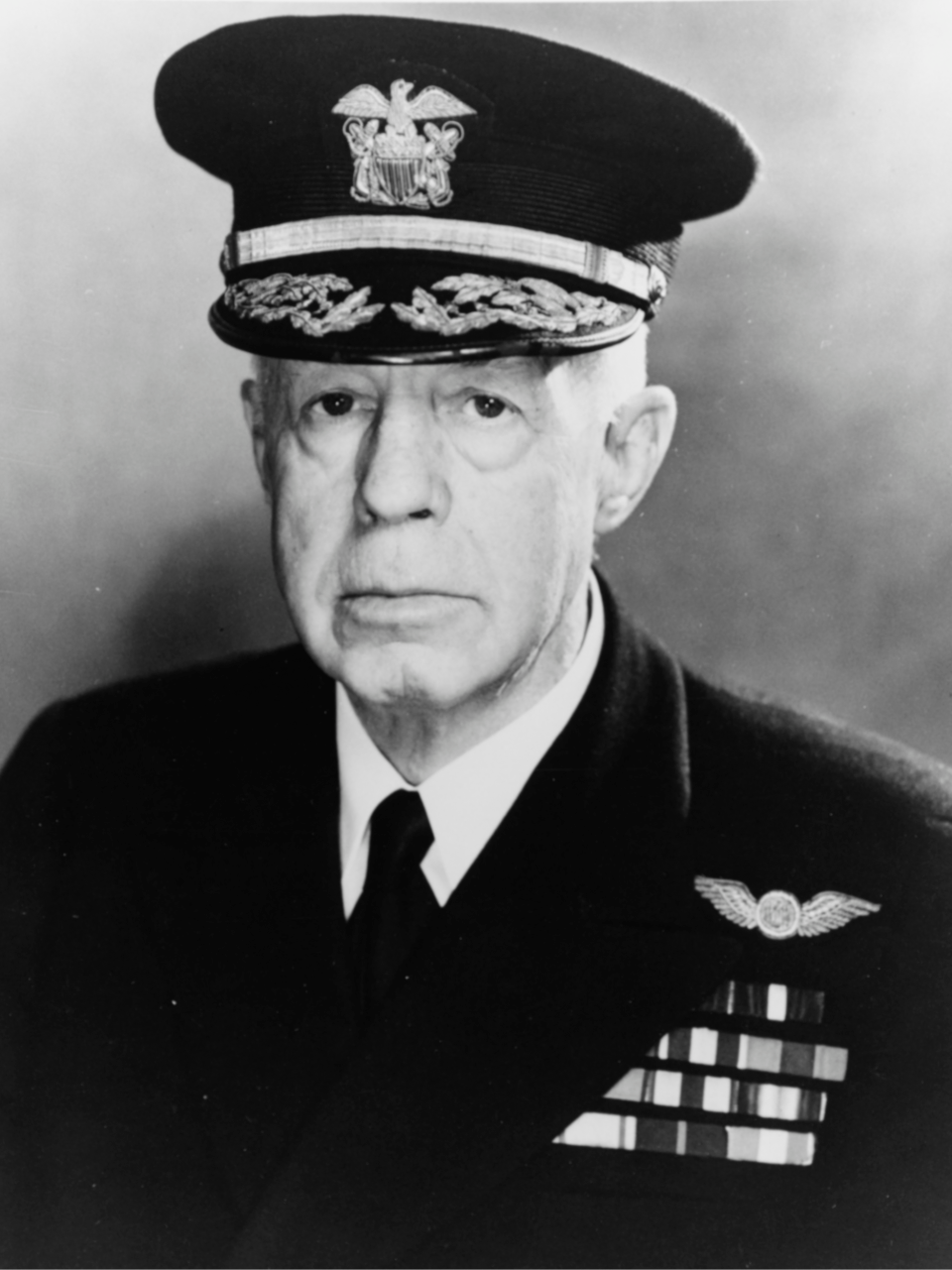
Did the Imperial Japanese Navy use a mock raid on Pearl Harbor that was conducted on February 7, 1932 as a blue print for their December 7, 1941 attack?
Continue reading “The First Attack: Pearl Harbor, February 7, 1932”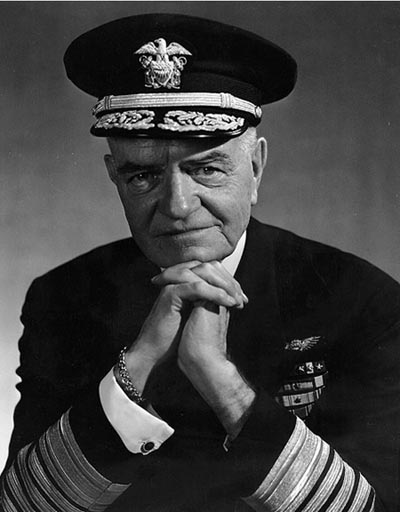
William Frederick Halsey, Jr.
30 October 1882 – 16 August 1959
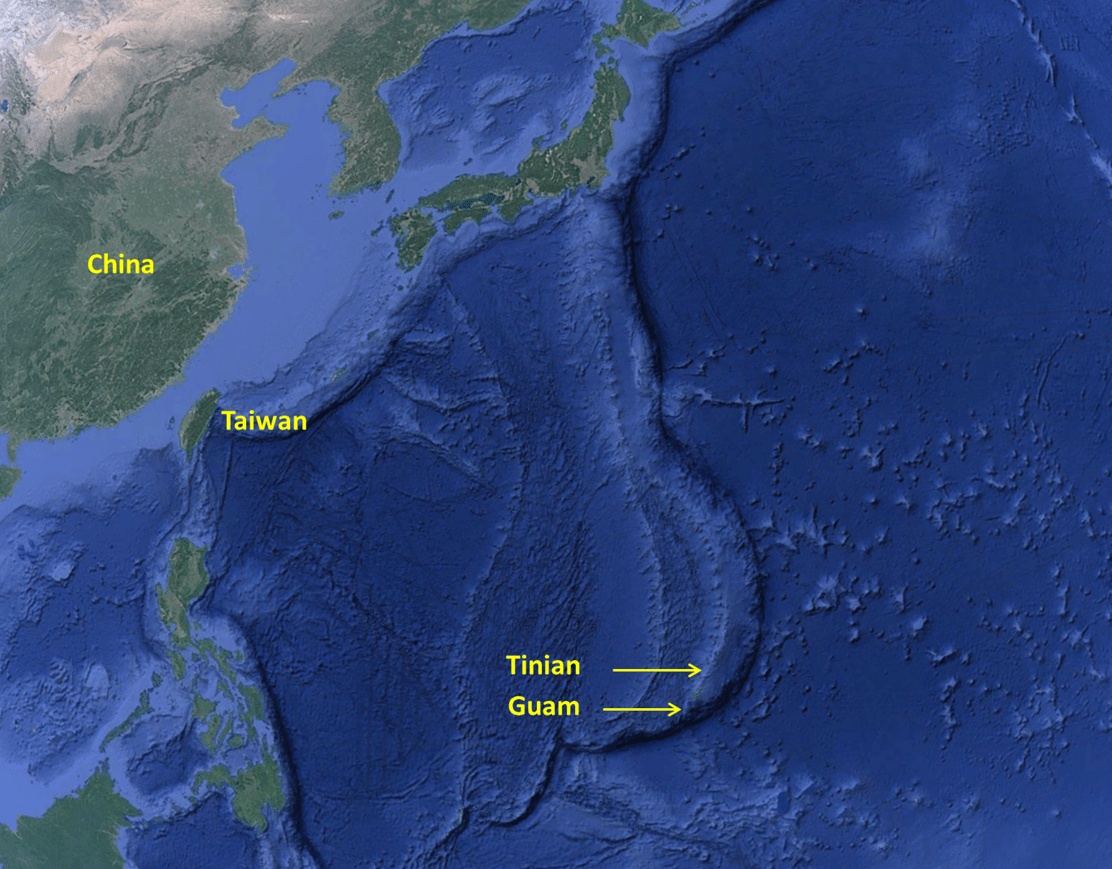
The significant airfield repair and upgrade work might support frontline fighters in the future, as the U.S. develops distributed basing to counter China in the western Pacific.
Continue reading “Revival of WW2-Era Tinian Airfield Picks Up with ‘Rehabilitation’ Work” Station HYPO