

Message follows:
Continue reading “CNO MESSAGE TO THE FLEET”
Vice Adm. Karl Thomas plays a crucial role in positioning the Navy to best leverage information to defeat U.S. adversaries. As deputy chief of naval operations for information warfare, N2N6, and the director of naval intelligence, Vice Adm. Thomas leverages the latest technological tools such as cyber; signals intelligence; electronic warfare and intelligence, surveillance and reconnaissance to control the information ecosystem. This ensures the Navy and its partners have accurate and timely information while manipulating, degrading or denying the enemy’s ability to do the same.
Continue reading “4 Information Warfare Updates From Navy Vice Adm. Karl Thomas”
In August 2008, as Russian tanks rolled into Georgia’s Tskhinvali Region, not self-proclaimed South Ossetia, Georgian government websites were under cyber siege. Distributed denial-of-service (DDoS) attacks, defaced portals, and data theft disrupted communications as Georgian officials tried to urgently reach Western leaders, some on vacation, others attending the Beijing Olympics opening ceremony.
Continue reading “From Georgia to Ukraine: Seventeen Years of Russian Cyber Capabilities at War”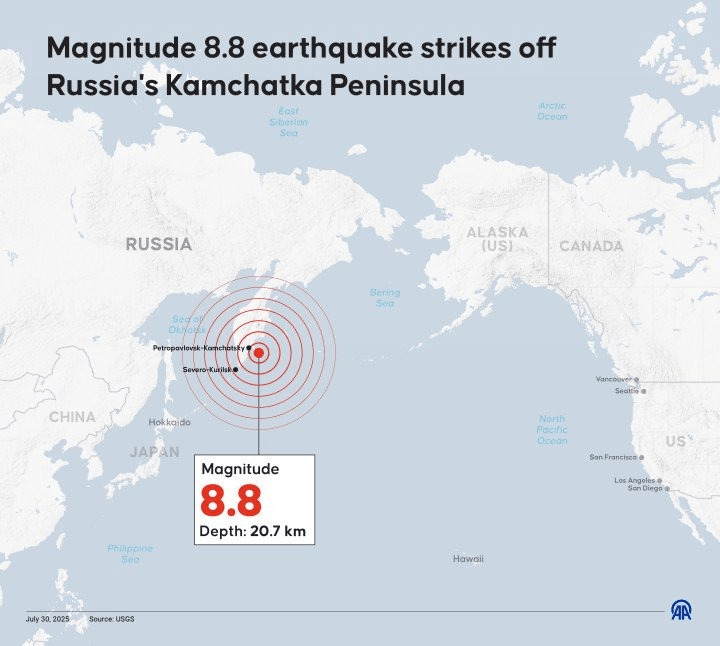
A record-breaking earthquake off Russia’s Kamchatka Peninsula has triggered tsunami alerts across the Pacific and raised urgent questions about the safety of nuclear weapons stored near one of the world’s most active seismic zones. How vulnerable is Russia’s undersea arsenal — and what does this mean for global security?
Continue reading “Putin’s Undersea Nuke Fleet Rocked by Kamchatka Megaquake—What If the Worst Happens?”
The Pentagon lacks “strategic clarity” when it comes to conducting the cognitive warfare that analysts see as necessary for confronting China, according to the Senate Armed Services Committee.
Continue reading “Pentagon lags behind China in realizing strategies for cognitive warfare, Senate report finds”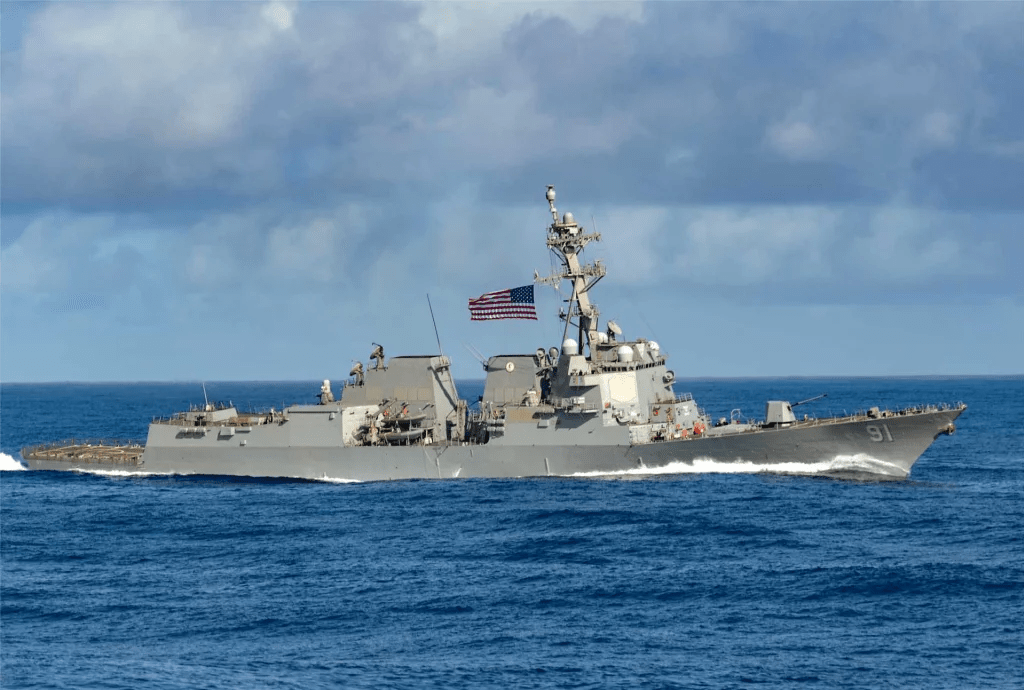
According to information published by the U.S. Space Command on July 8, 2025, the U.S. National Space Defense Center (NSDC), in coordination with the U.S. Navy, successfully conducted the third At-Sea Demonstration (ASD-3) between April 6 and 9, 2025. The exercise featured the U.S. Navy Arleigh Burke-class guided-missile destroyer USS Pinckney and marked a significant leap in joint naval-space operations, particularly in the fields of Space Domain Awareness (SDA) and Ballistic Missile Defense (BMD).
Continue reading “U.S. Navy and Space Command integrate destroyer ship in space domain defense.” Station HYPO