

An inspiring family story shared by ENS Raymond Kethledge, USN. ENS Kethledge attended the Cryptologic Warfare Officer Basic Course (CWOBC) in the spring of 2023, where he began his journey as a Cryptologic Warfare Officer.
Continue reading “An Inventor and A Patriot: A Family Story”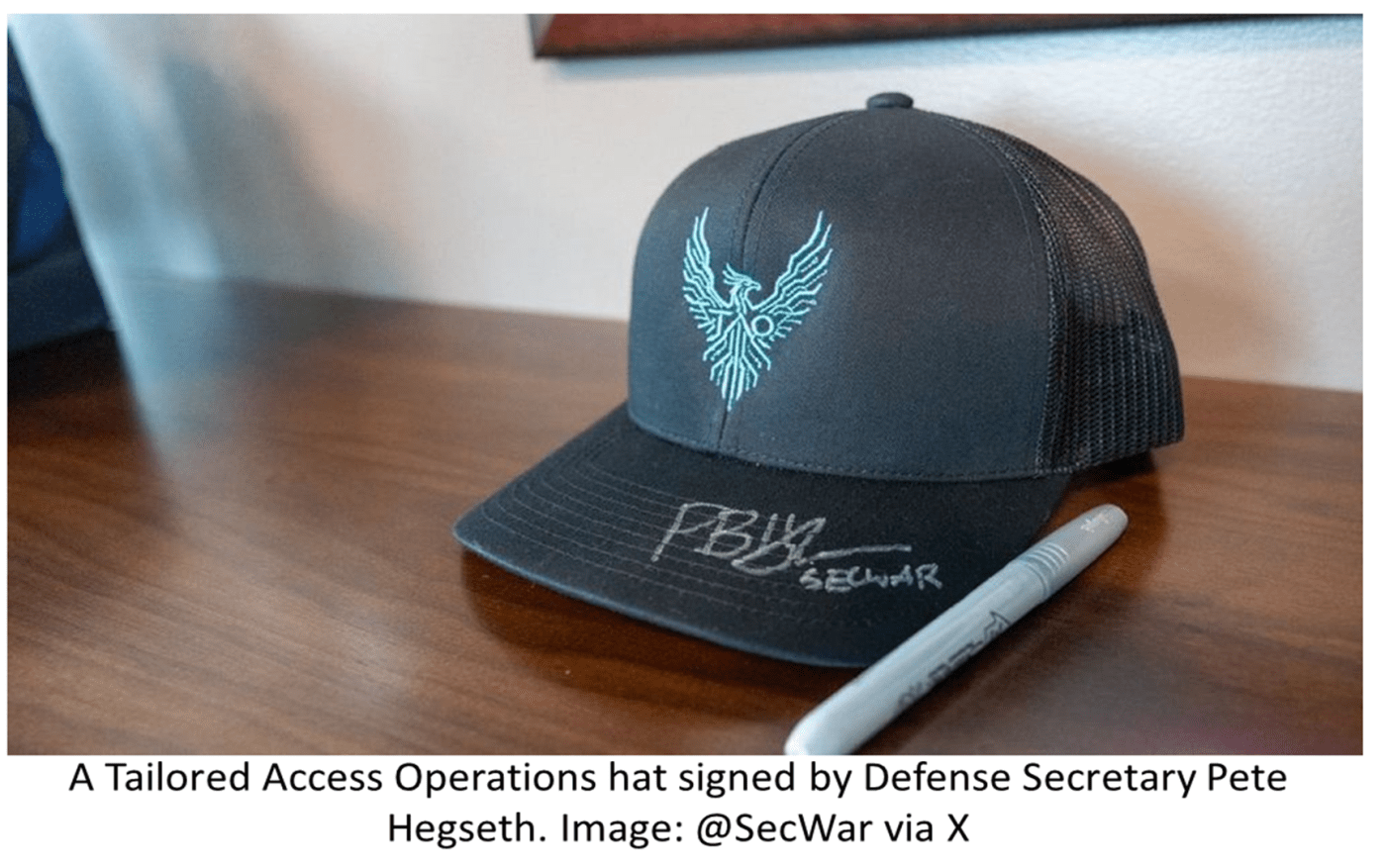
The National Security Agency has rebranded its elite hacking division, though the new name will be familiar to anyone who has followed the spy agency’s history of offensive cyber operations.
NSA last week changed the moniker of its Office of Computer Network Operations (CNO) back to Tailored Access Operations (TAO), a name that is sure to elicit nostalgia among the broader digital community for a group with roots in the early 1990s.
Continue reading “NSA revives ‘Tailored Access Operations’ name for elite hacking unit”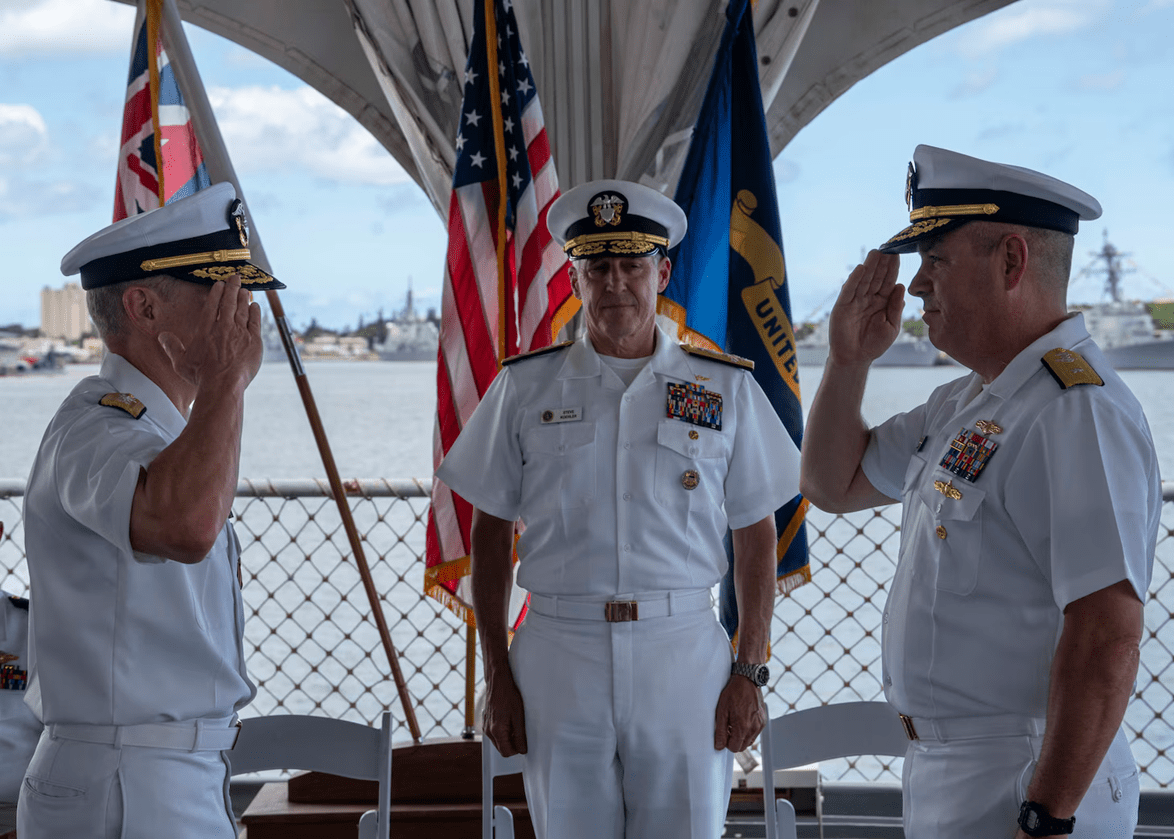
U.S. Navy Rear Adm. Kurt Mole assumed command of the Fleet Information Warfare Command – Pacific (FIWCPAC) during a change of command ceremony at the Battleship Missouri Memorial, July 2. He relieved U.S. Navy Rear Adm. Nicholas Homan, becoming the third commander of FIWCPAC since its establishment in 2022.
Continue reading “FIWCPAC Holds Change of Command in Pearl Harbor, July 3, 2026”
SIGINT Data Processing and Exploitation
Just as solid-state electronic technology changed the capabilities of SIGINT satellites dramatically, the computer revolution that began in the 1950s, and that is still underway, changed the capabilities of computer processing, almost day to day. The capability to process SIGINT information was especially powerful and quick to develop, because the SIGINT satellites collected electrical signals that, with proper coding, were in a form that computers could work on directly. From 1960 to 1975 the multiplying effect of improved satellite collectors and improved computer processors would provide a many-fold increase in operational capabilities. Developing the processing methodology was the key.
Continue reading “Early History of the National Reconnaissance Office (5 of 5)”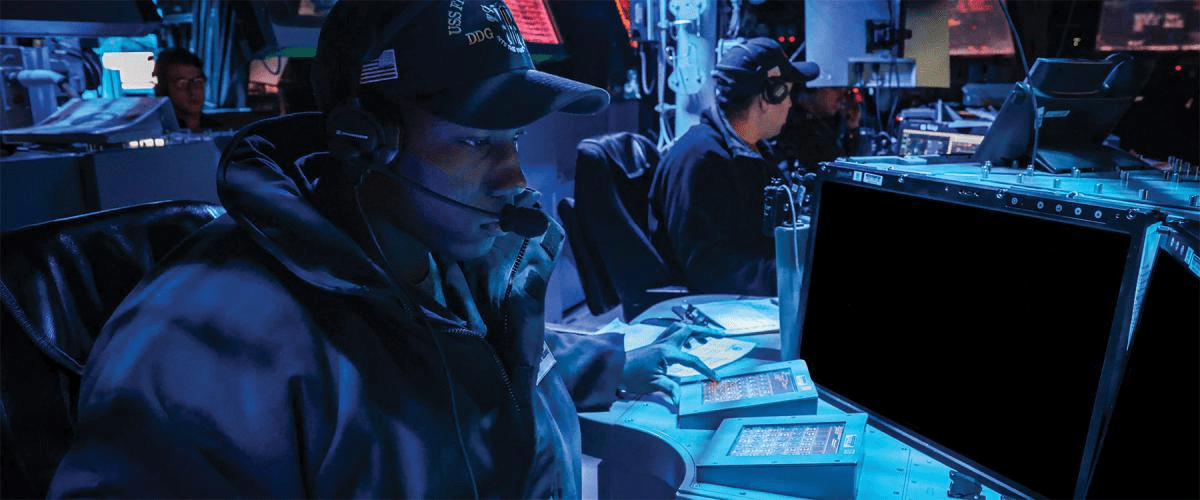
The Navy’s center of gravity is evolving toward the information domain—not because it replaces ships or aircraft, but because it has become the decisive enabler of lethality, survivability, and decision advantage at sea.
Continue reading “Congratulations to ENS Kevin H. Nguyen, Cryptologic Warfare Officer, Winner of U.S. Naval Academy Class of 2026 Capstone Essay Contest – Category: Information Warfare”
Imaging and Signals Intelligence Space Systems
The major effort within the US satellite reconnaissance program in the 1960s and 1970s featured overhead visual imaging systems, which produced information not obtainable any other way. (CORONA, GAMBIT, and HEXAGON, the early filmbased satellite systems, have already been well documented.) But there were important intelligence questions that could not be answered with pictures alone. The first question involved determining the location and characteristics of Soviet radars that could detect American strategic bombers. The second involved the performance capabilities of Soviet missiles—ICBMs and ABM systems. These two problems led the list of reasons favoring SIGINT satellites that could listen to and record the signals of Soviet radars, radio communications, and telemetry systems.
Continue reading “Early History of the National Reconnaissance Office (4 of 5)”
