
The Naval Security Group first represented in Naples Italy 1952 as Communication Security Unit 601. Six years later, in 1958, the Unit 601 was changed to U.S. Naval Security Group Det. On October 1, 1979, NSGD was administratively disestablished, and U.S. Naval Security Group Activity (NSGA) was established. Two years later in 1981, STREAMLINER and TACINTEL were installed.
Continue reading “OTD: NSGA Naples Decommissioned”
On March 23, 2018, Navy Information Operations Command (NIOC) Norfolk disbanded to create the Information Warfare Training Group (IWTG) in Norfolk, Virginia, five days later on March 28.
Continue reading “OTD 2018 IWTG Norfolk Established”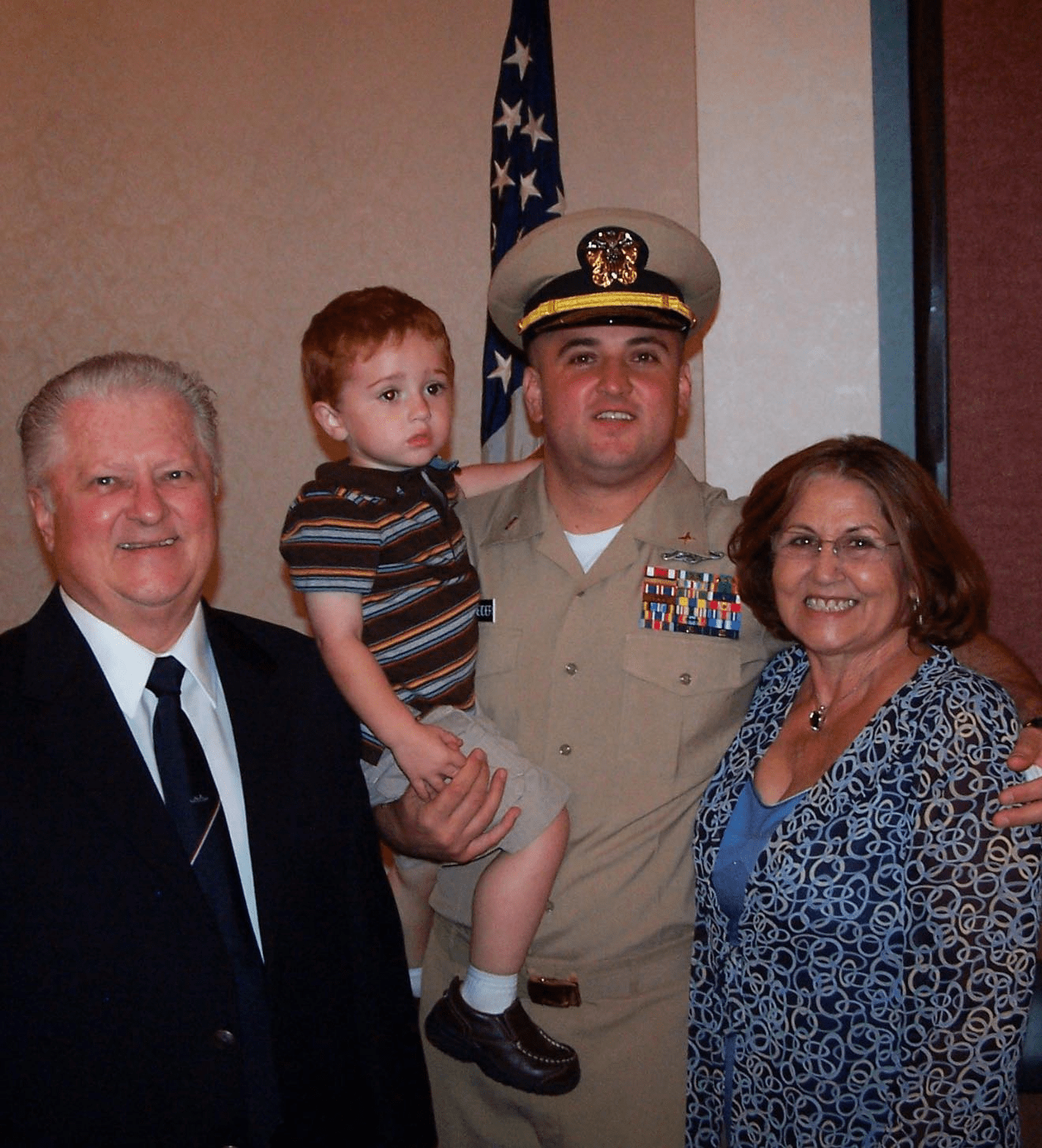
For nearly seven decades, the Schneider family has contributed to the mission of U.S. Navy cryptology and information warfare. Spanning the Cold War, the Global War on Terrorism, and today’s cyber domain, three generations — Senior Chief Cryptologic Technician Collection Ronald Schneider, Chief Warrant Officer Five Kevin Schneider, and Ensign Christopher Schneider — represent a remarkable legacy of dedication, technical expertise, and operational service.
Continue reading “A Legacy of Service: Three Generations of Schneider Cryptologists in the U.S. Navy”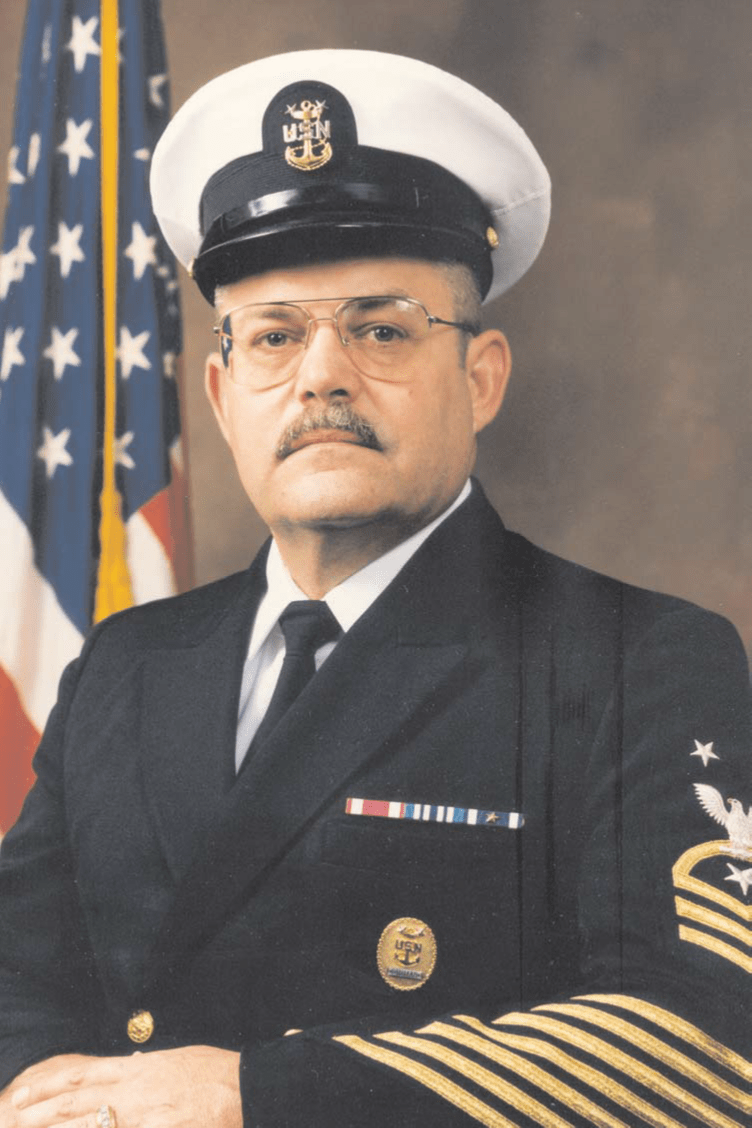
Master Chief Best spent the majority of his younger years traveling around the world with his parents, a career Army family. He graduated from high school in 1964 and subsequently enlisted in the U.S. Navy.
Continue reading “Honoring CTRCM (Ret.) Richard O. Best, USN, Seventh Force Master Chief for the Naval Security Group Command”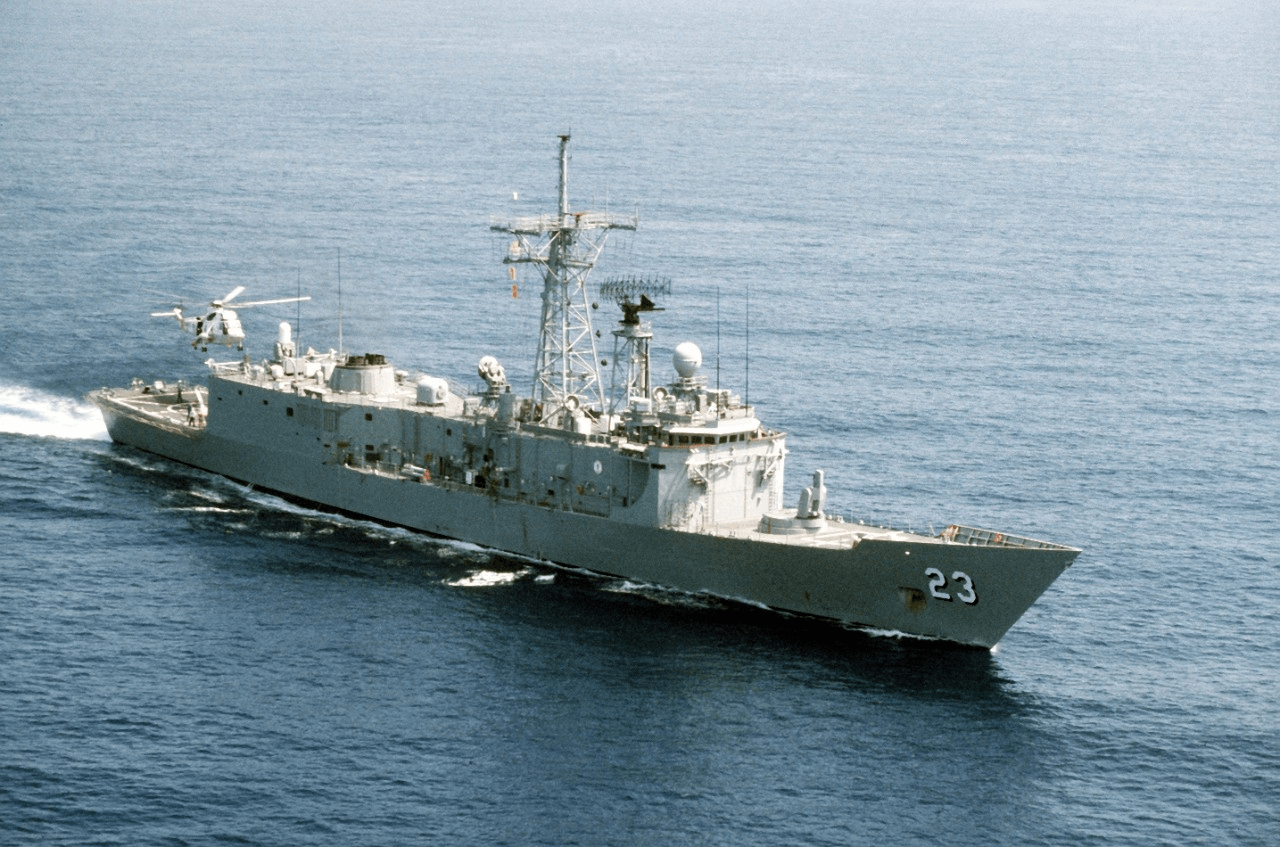
By Retired Captain Ros Poplar, USN
As we face the challenges of keeping the Straits of Hormuz open, “Quantity is indeed a Quality all of its own “
As I was reminded by Shipmate Michael Morano this A.M. 1987 marked the high point of the “600 Ship Navy,” with total numbers reaching 594 combatants. Included within those numbers were 119 frigates, 69 destroyers, and 35 cruisers, all of various classes.
Continue reading “Quantity Has a Quality All Its Own: Lessons from the 600-Ship Navy to Hormuz Today”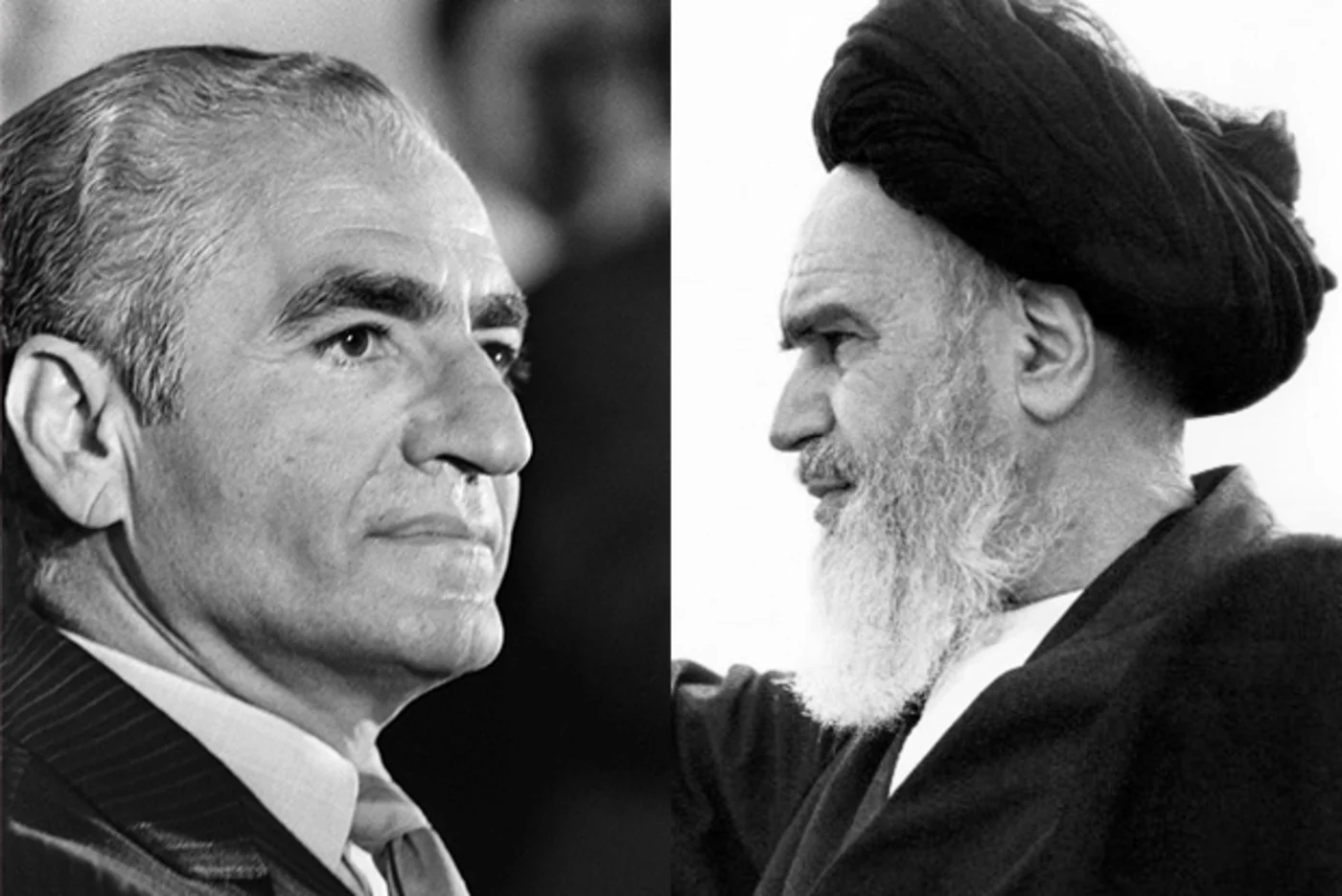
Executive Summary:
This paper argues that the U.S. intelligence community failed to anticipate the 1979 fall of the Shah of Iran because it relied on a narrow rational actor model that equated Iran’s stability with the Shah’s personal authority, ignoring deeper social, religious, economic, and military fractures. By contrast, applying principles of chaos theory and self-organizing criticality reveals Iran in the 1970s as a metastable system marked by weak cohesion, escalating conflict energy, sensitivity to small triggering events, and nonlinear dynamics. Seemingly minor incidents—such as protests, political debates over arms sales, or the growing influence of Ruhollah Khomeini—interacted in unpredictable ways that amplified instability and ultimately led to regime collapse. While chaos theory would not have predicted the precise timing of the Shah’s departure, it would have highlighted structural vulnerabilities and warned policymakers that Iran was approaching critical instability, allowing for better-informed strategic adjustments.
 Station HYPO