
Did the Imperial Japanese Navy use a mock raid on Pearl Harbor that was conducted on February 7, 1932 as a blue print for their December 7, 1941 attack?
Continue reading “The First Attack: Pearl Harbor, February 7, 1932”
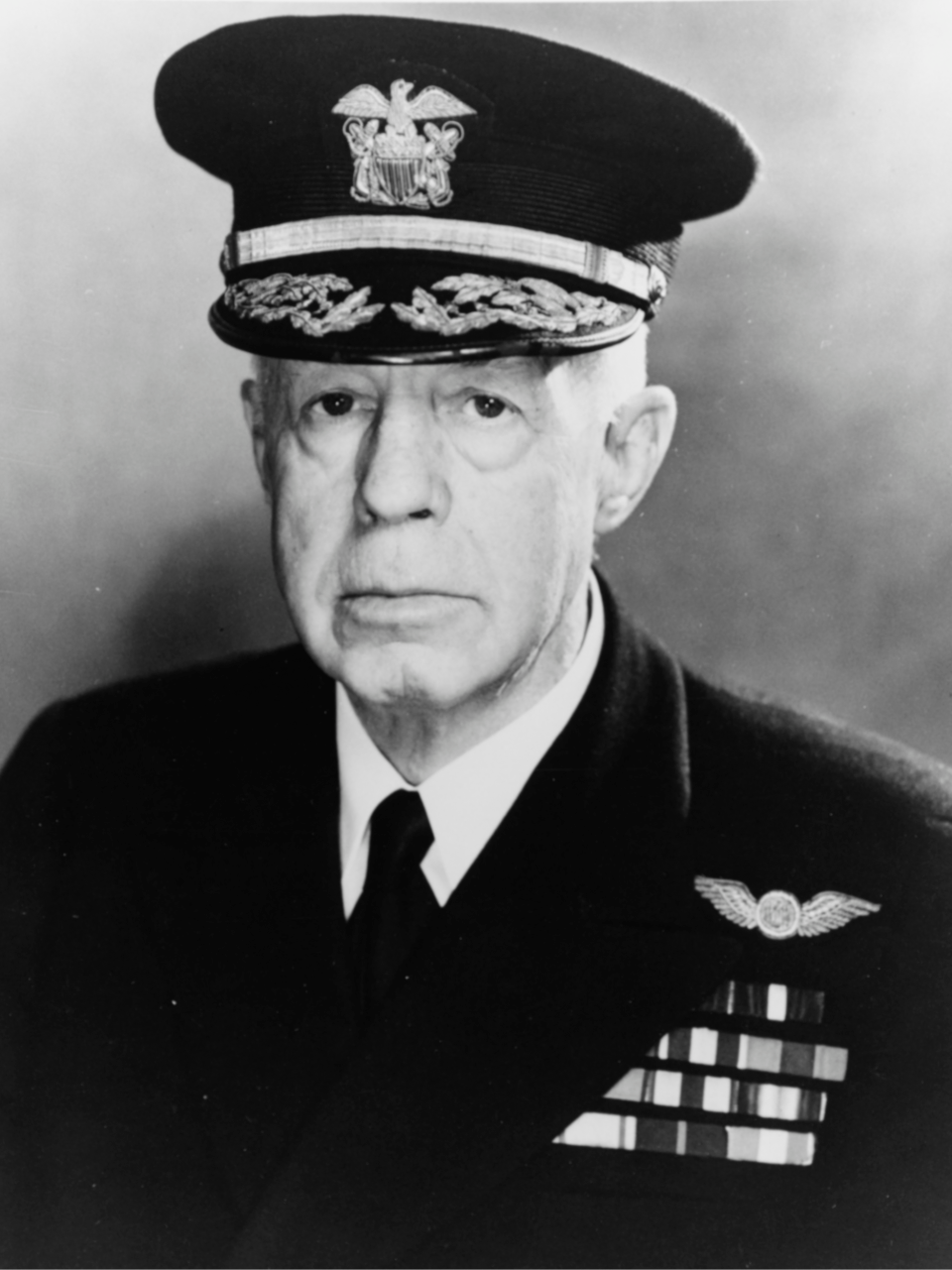
In the months leading up to the devastating Japanese attack on Pearl Harbor, few voices within the U.S. Navy spoke out with the clarity and conviction of Admiral James O. Richardson. As Commander in Chief of the U.S. Fleet (CINCUS) from January 1940 to February 1941, Richardson was uniquely positioned to assess the strategic posture of the Pacific Fleet. Yet despite his experience and reasoned objections, his warnings about relocating the fleet to Hawaii were ultimately disregarded—decisions that would have profound consequences for the United States and the course of World War II.
Continue reading “The Ignored Warning Before Pearl Harbor”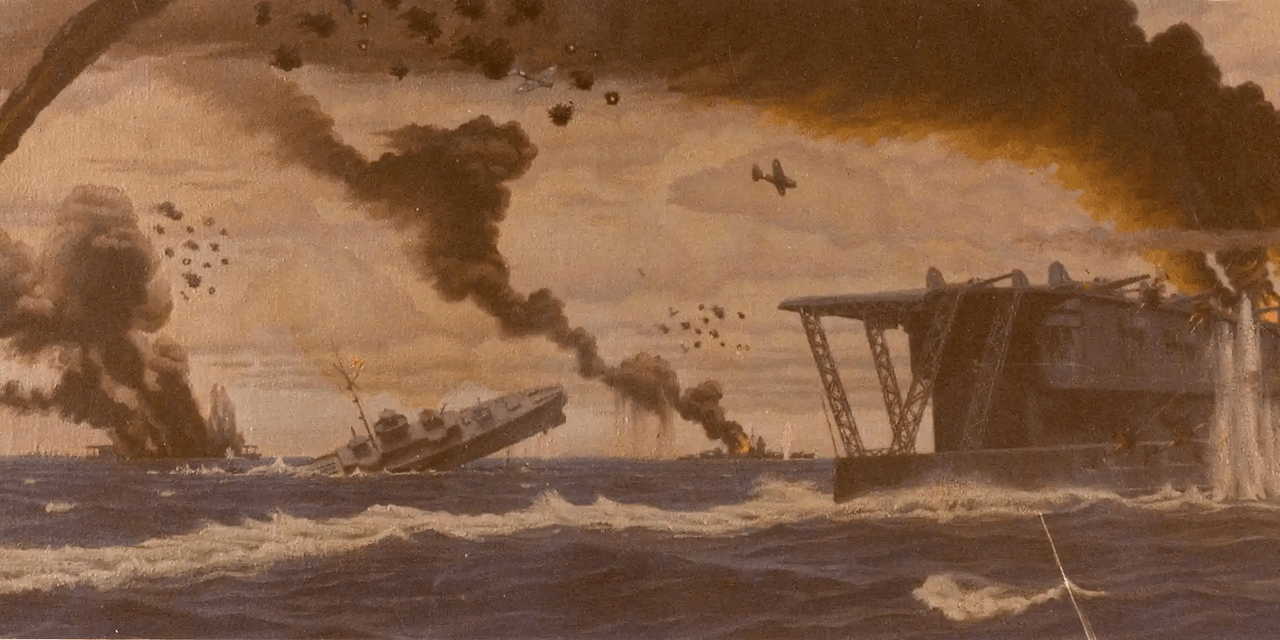
Advanced intelligence helped the Allies turn the tables on Japan in this crucial World War II naval battle.
In May 1942, U.S. and Australian naval and air forces were facing off against the Imperial Japanese Navy in the Battle of the Coral Sea in the South Pacific. But in a windowless basement at Pearl Harbor, a group of U.S. Navy codebreakers had intercepted Japanese radio messages suggesting Japan was planning an entirely different—and potentially far more damaging—operation in the Pacific theater.
Continue reading “How Codebreakers Helped Secure U.S. Victory in the Battle of Midway”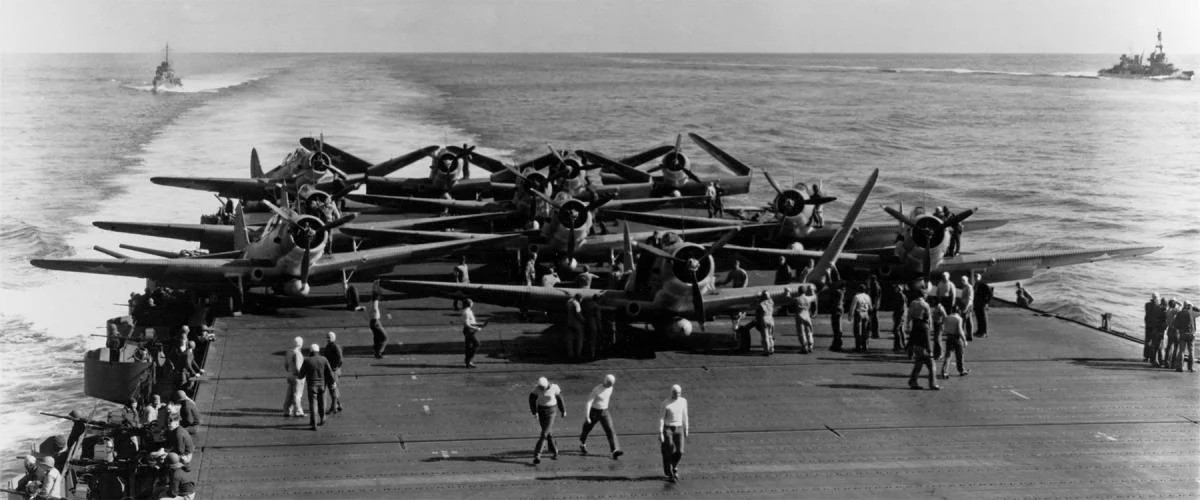
Naval Intelligence Essay Contest – Second Prize – Sponsored by the Naval Institute and Naval Intelligence Professionals | By James Wirtz
The story of how Naval intelligence paved the way for victory at Midway is embedded in the culture of the U.S. Navy, but the impact of this narrative extends far beyond the service. Today, scholars use the events leading up to Midway to define intelligence success—an example of a specific event prediction that was accurate, timely, and actionable, creating the basis for an effective counterambush of the Imperial Japanese Navy.1
Continue reading “The Battle of Midway: Five Intelligence Takeaways for Today”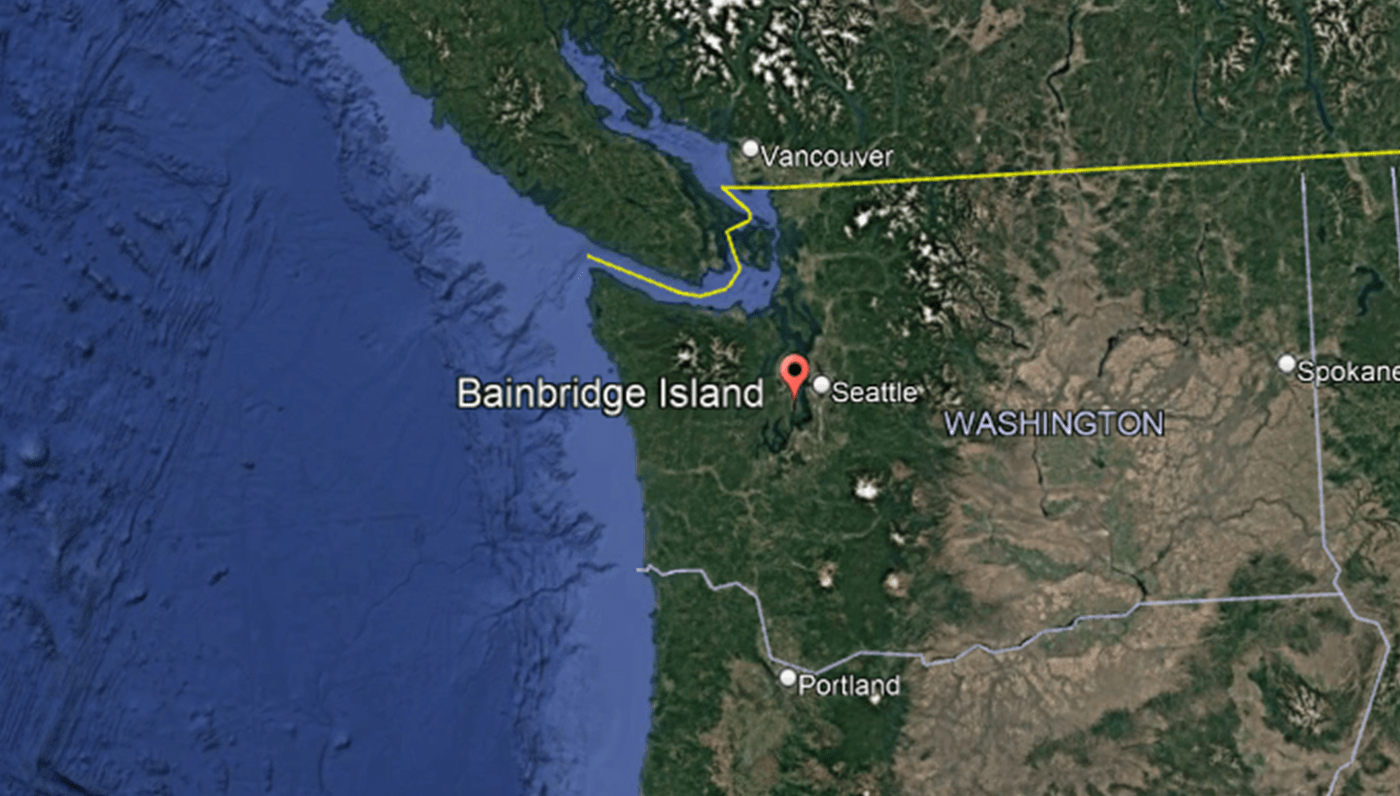
CTOCM Penny M. Tardona, CNSG 8th Force Master, will join CTICM (Ret.) Matt Zullo, author of On the Roof Gang, at Fort Ward Park on Bainbridge Island, Washington, on 23 May at 9:30 AM. Together, they will dedicate a plaque honoring the incredible work of our early Cryptologists during World War II.
Continue reading “Celebrating WWII Cryptologists — Bainbridge Island, WA”
Sending a clear message!
YOKOSUKA NAVAL BASE, Japan — A contingent of international military officers joined U.S. sailors Friday as command of the Navy’s largest destroyer squadron passed to its deputy commodore.
Continue reading “Veteran surface warfare officer takes command of Navy’s largest destroyer squadron By Alex Wilson” Station HYPO