
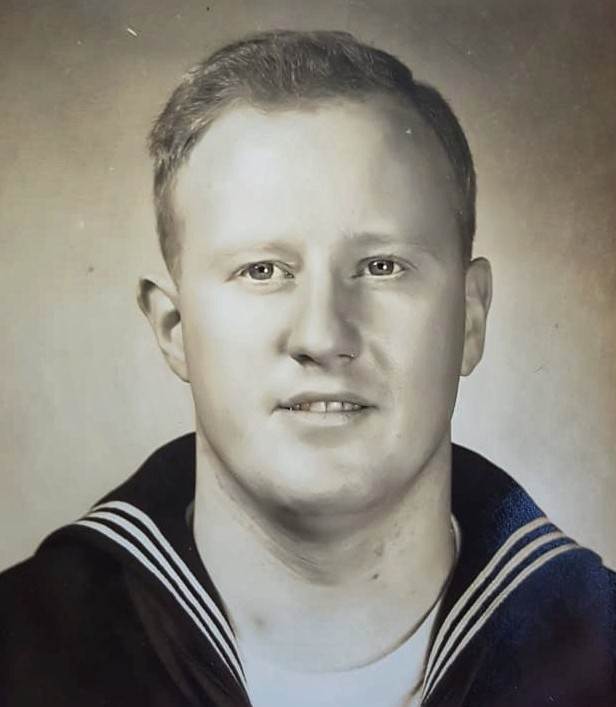
Commander Guy Thomas enlisted in the Naval Reserve in Corpus Christi, Texas on 20 July 1965 while attending the University of San Francisco. 18 months later, with only 8 credits needed for graduation, he was called to active duty and assigned as a deck force seaman to the pre-commissioning crew of USS Horne (DLG 30), commanded by CAPT (ADM) Stansfield Turner, being built in San Francisco. During the next year he was able to finish his degree in History and put in for Officer’s Candidate School (OCS), but was turned down. He became the Commanding Officer’s driver who encouraged him to reapply for OCS which he did and was accepted. He was also assigned as the clerk for the Intelligence team and became the acting intelligence officer when both of the other two team members became unavailable. Deployed to Vietnam, he worked closely with the embarked NavSecGru Direct Support (DirSup) team who encouraged him to volunteer for duty with them, which he did.
Continue reading “CDR George “Guy” Thomas, USN (ret.)”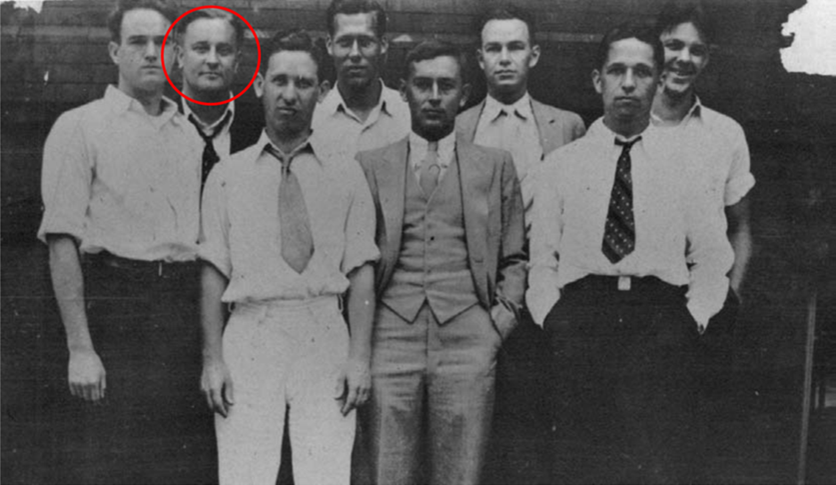
Radioman Second Class (RM2c) Walter Carl Rathsack was selected for the tenth class of the On-The-Roof Gang training that began in March 1933. Along with the other seven Radiomen in the class, he graduated in June 1933 and was ordered to Station BAKER in Guam. In the years leading up to World War II, Petty Officer Rathsack performed Radio Intelligence operations in Guam, Philippines and Hawaii.
Continue reading “The Most Dangerous Assignment”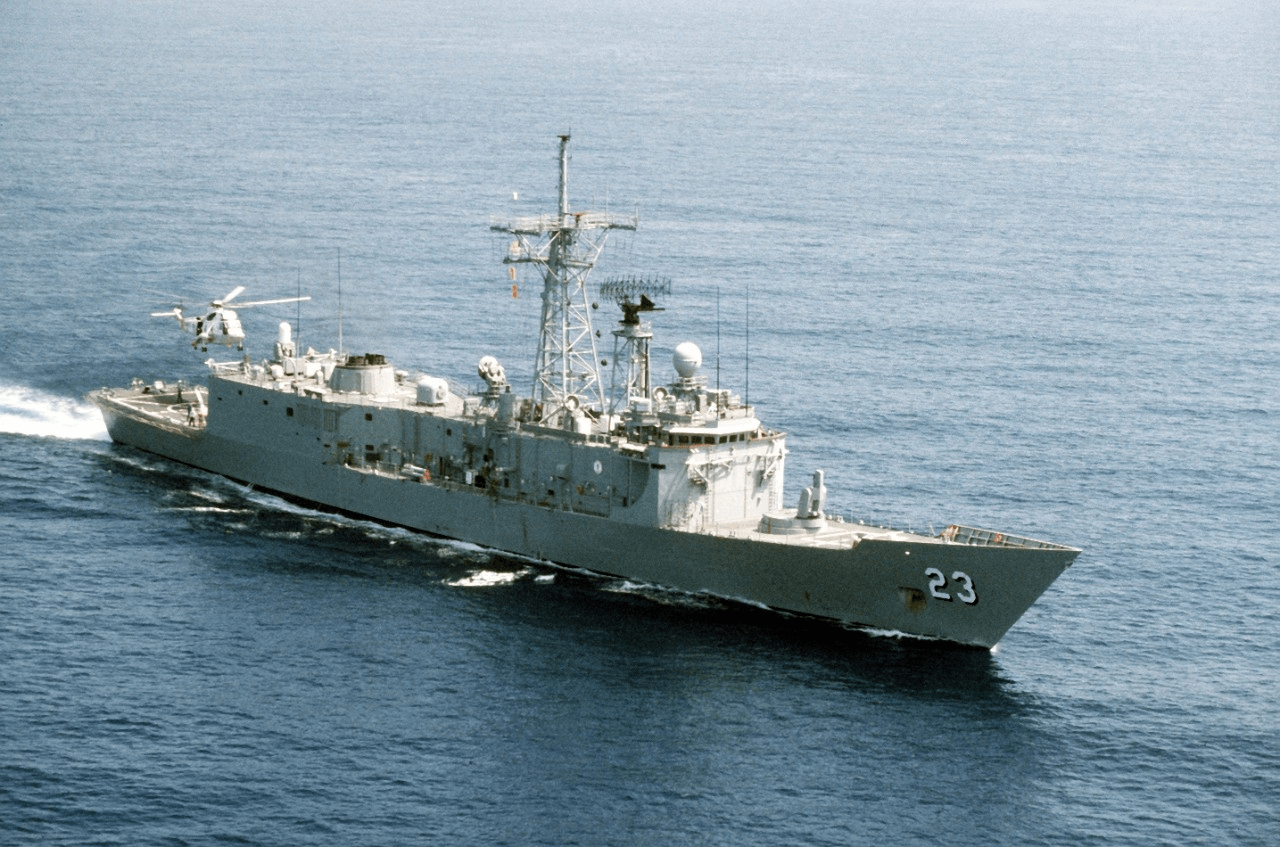
By Retired Captain Ros Poplar, USN
As we face the challenges of keeping the Straits of Hormuz open, “Quantity is indeed a Quality all of its own “
As I was reminded by Shipmate Michael Morano this A.M. 1987 marked the high point of the “600 Ship Navy,” with total numbers reaching 594 combatants. Included within those numbers were 119 frigates, 69 destroyers, and 35 cruisers, all of various classes.
Continue reading “Quantity Has a Quality All Its Own: Lessons from the 600-Ship Navy to Hormuz Today”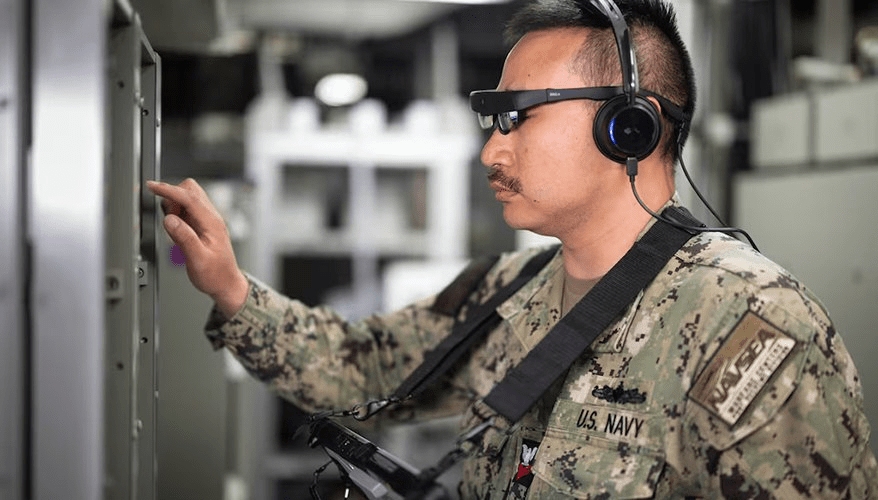
The Navy is looking to use virtual game engines and interactive team training for maintenance, a service official said Dec. 2.
Continue reading “I/ITSEC NEWS: Navy Wants to Leverage Video Game Engines for Maintenance Training”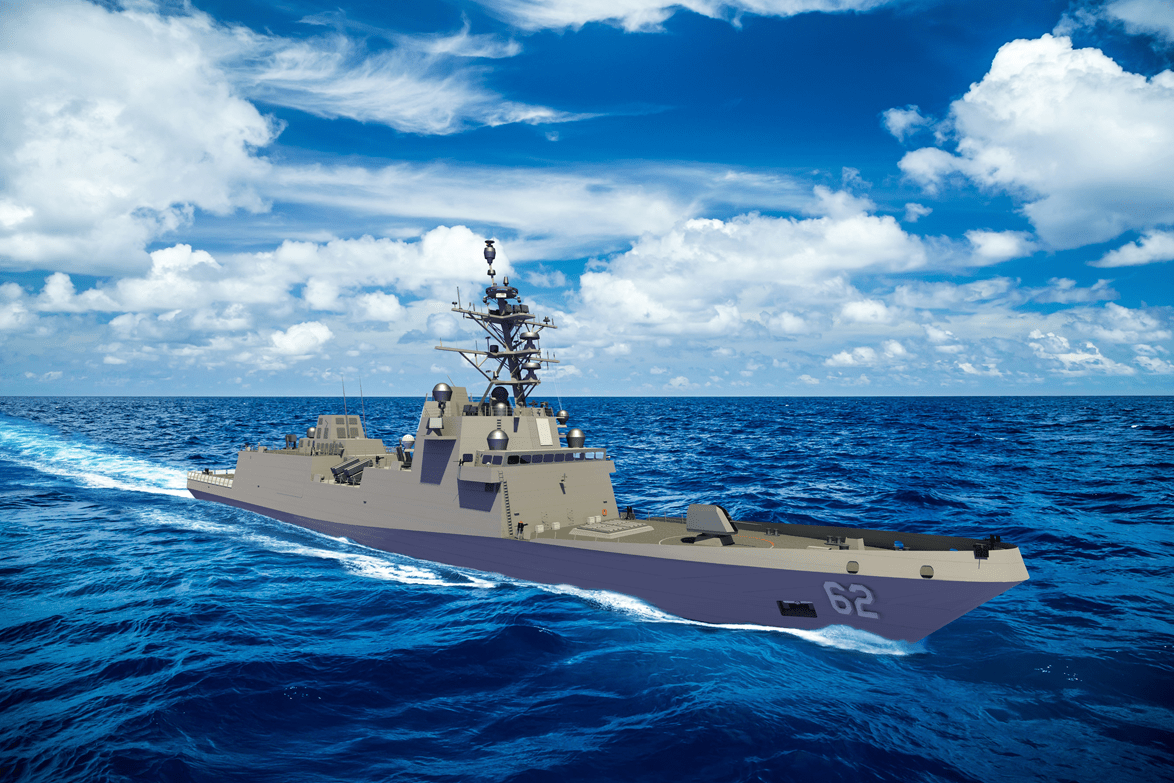
This post has been updated with a statement from Fincantieri
The Navy is walking away from the Constellation-class frigate program to focus on new classes of warships the service can build faster, Secretary of the Navy John Phelan announced Tuesday on social media.
Continue reading “Navy Cancels Constellation-class Frigate Program, Considering New Small Surface Combatants”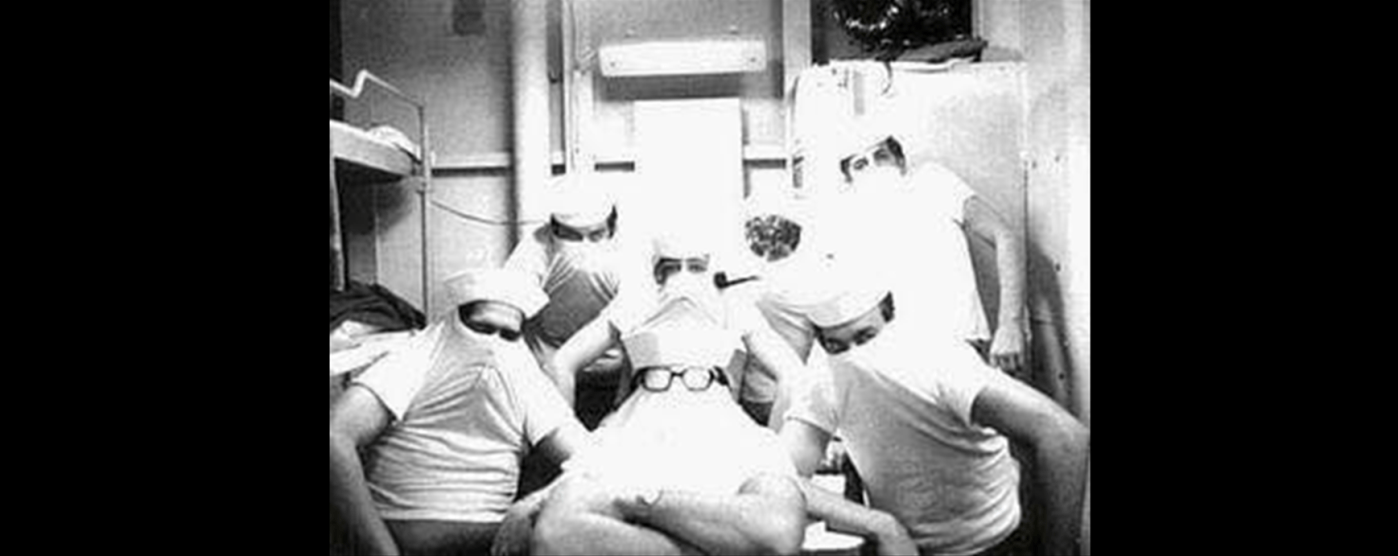
Featured image: “The Spooks” of the USS Fox (DLG–33/CG-33) – Positive Identification Radar Advisory Zone, PIRAZ, Gulf of Tonkin, 1971. Special thanks to Bill Scholz for allowing his picture to be used on this post.
During the Vietnam War and other major conflicts, the U.S. Navy operated a select group of ships known as PIRAZ stations, short for Positive Identification Radar Advisory Zone. These vessels, often referred to by their radio callsign “Red Crown,” formed the backbone of radar coverage and command coordination for friendly aircraft in designated combat zones.
Continue reading “The Navy’s “Red Crown”: Guardians of the Skies – The Role of PIRAZ Stations” Station HYPO