
Executive Summary:
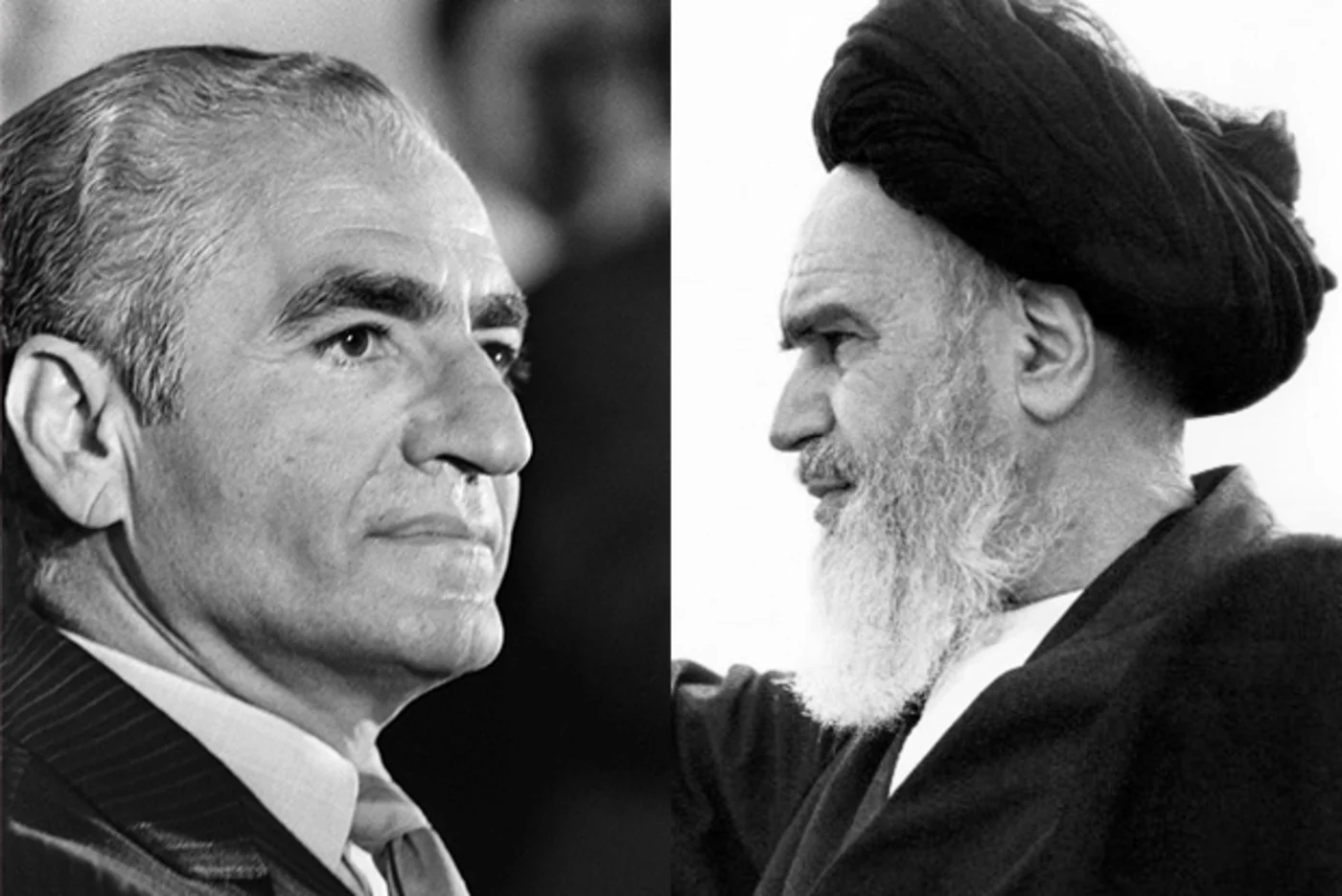
This paper argues that the U.S. intelligence community failed to anticipate the 1979 fall of the Shah of Iran because it relied on a narrow rational actor model that equated Iran’s stability with the Shah’s personal authority, ignoring deeper social, religious, economic, and military fractures. By contrast, applying principles of chaos theory and self-organizing criticality reveals Iran in the 1970s as a metastable system marked by weak cohesion, escalating conflict energy, sensitivity to small triggering events, and nonlinear dynamics. Seemingly minor incidents—such as protests, political debates over arms sales, or the growing influence of Ruhollah Khomeini—interacted in unpredictable ways that amplified instability and ultimately led to regime collapse. While chaos theory would not have predicted the precise timing of the Shah’s departure, it would have highlighted structural vulnerabilities and warned policymakers that Iran was approaching critical instability, allowing for better-informed strategic adjustments.
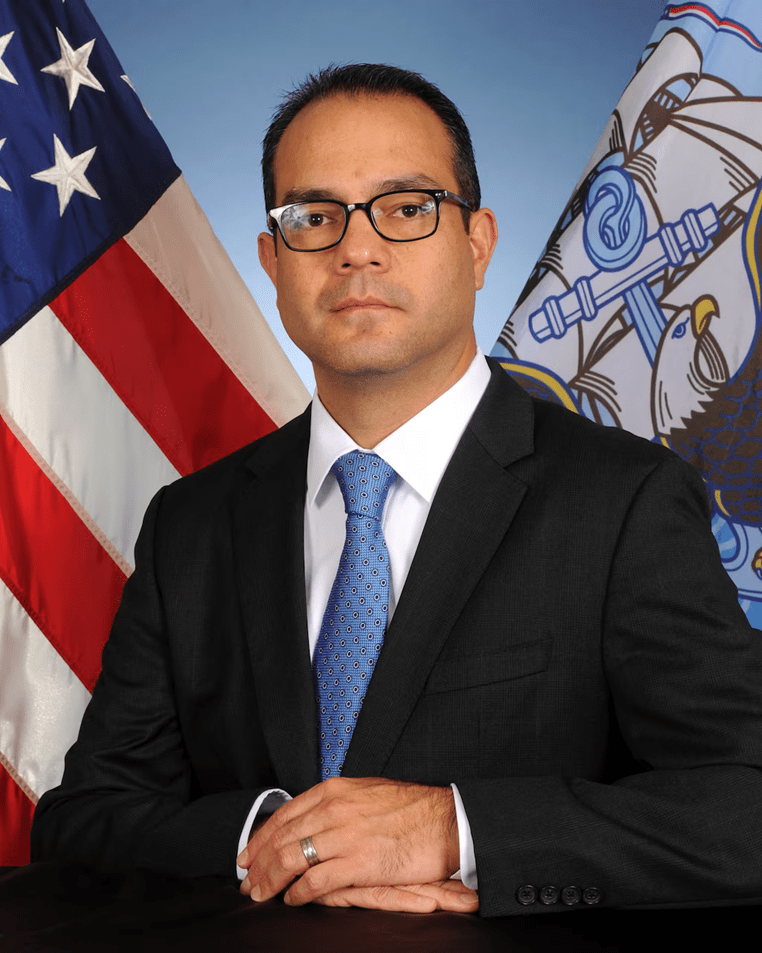
Matthew Swartz, the newly appointed Executive Director for Chief of Naval Operations Adm. Daryl Caudle, brings a distinguished and comprehensive background in information warfare and cyber operations. His career reflects decades of leadership across the Navy’s most technologically demanding missions, including strategic planning, operational integration, and the development of advanced cyber capabilities. Swartz’s deep expertise positions him as a key advisor to the CNO, ensuring the Navy continues to strengthen its information dominance, enhance cyber readiness, and maintain decision advantage in an increasingly complex and contested maritime environment.
Continue reading “Navy’s New Executive Director Brings Deep Expertise in Information Warfare and Cyber Operations”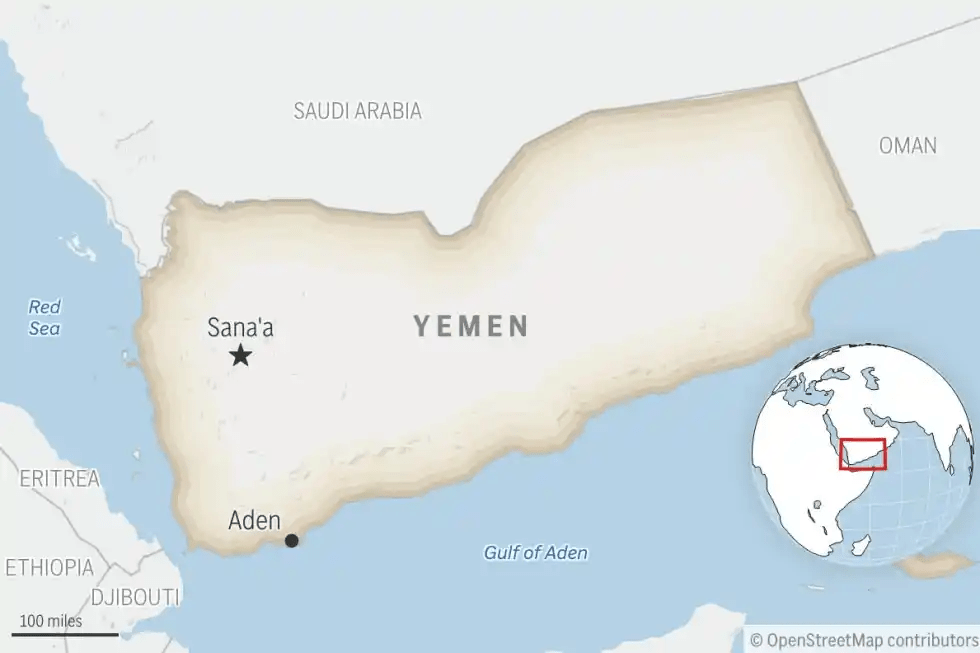
Undersea cable cuts in the Red Sea disrupted internet access in parts of Asia and the Middle East, experts said Sunday, though it wasn’t immediately clear what caused the incident.
Continue reading “Undersea Cables Cut In The Red Sea, Disrupting Internet Access In Asia And The Mideast”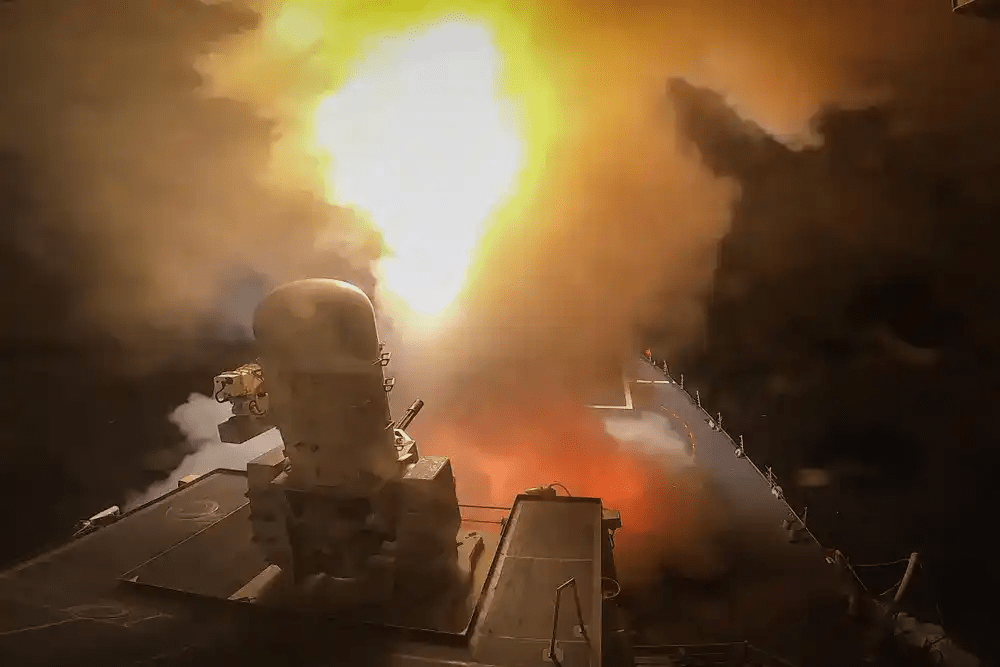
Picking the right weapon to match the threat as the US Navy battled the Houthis in the Red Sea came with a “learning curve” for the service, President Donald Trump’s choice for top admiral said Thursday.
Continue reading “The US Navy faced a ‘learning curve’ choosing the right weapon in the Red Sea fight, Trump’s pick for top admiral says”
A new satellite image showed a buildup of U.S. Air Force assets at Diego Garcia, a strategic American base in the Indian Ocean. The development comes as tensions are high across the Middle East and Indo-Pacific after U.S. and Israeli strikes on Iran.
Continue reading “New Satellite Image Shows U.S. Air Force Buildup at Key Indian Ocean Base” Station HYPO