
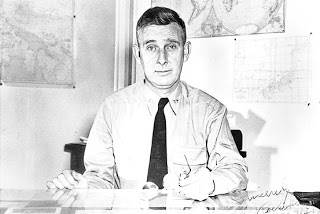
The President of the United States takes pride in presenting the DISTINGUISHED SERVICE MEDAL posthumously to CAPTAIN Joseph J. Rochefort, United States Navy, for services set forth in the following citation: For exceptionally meritorious service…while serving…as Officer in Charge of the Combat Intelligence Unit (Station HYPO) from March 1942 through June 1942.
Continue reading “Honoring and Remembering CAPT Joseph J. Rochefort, USN, Navy Cryptologist”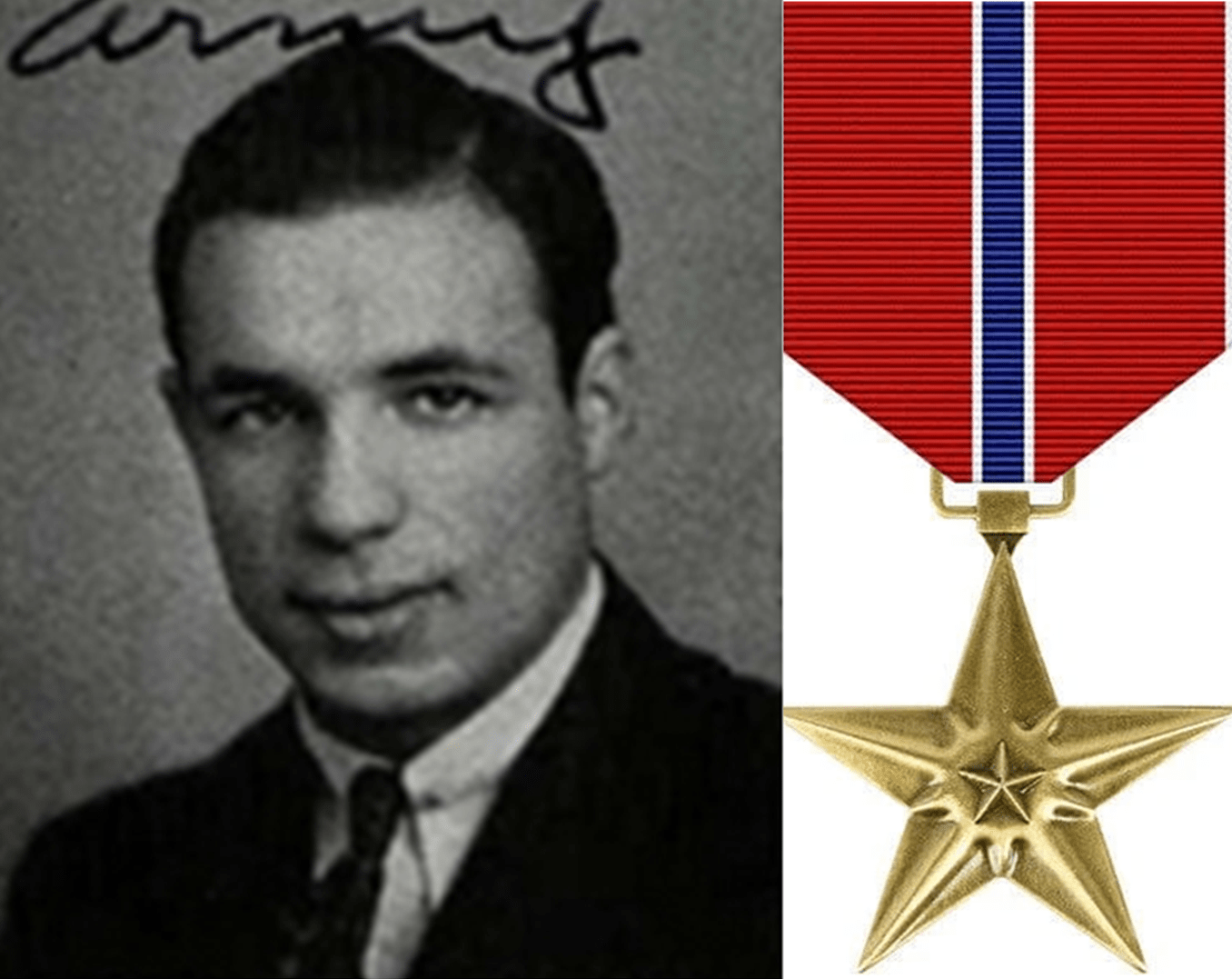
The steel decks of the battleship USS NEW MEXICO trembled beneath the thunder of war. Across the blood-soaked waters off Okinawa in the spring of 1945, death came screaming from the sky in the form of Japanese kamikaze aircraft—pilots on one-way missions of destruction. Amid the chaos, deep within the nerve center of Admiral Spruance’s flagship, one young American Sailor listened intently to the enemy.
Continue reading “Remembering RM1c Walter L. Rougeux, Katakana Intercept Operator, KIA”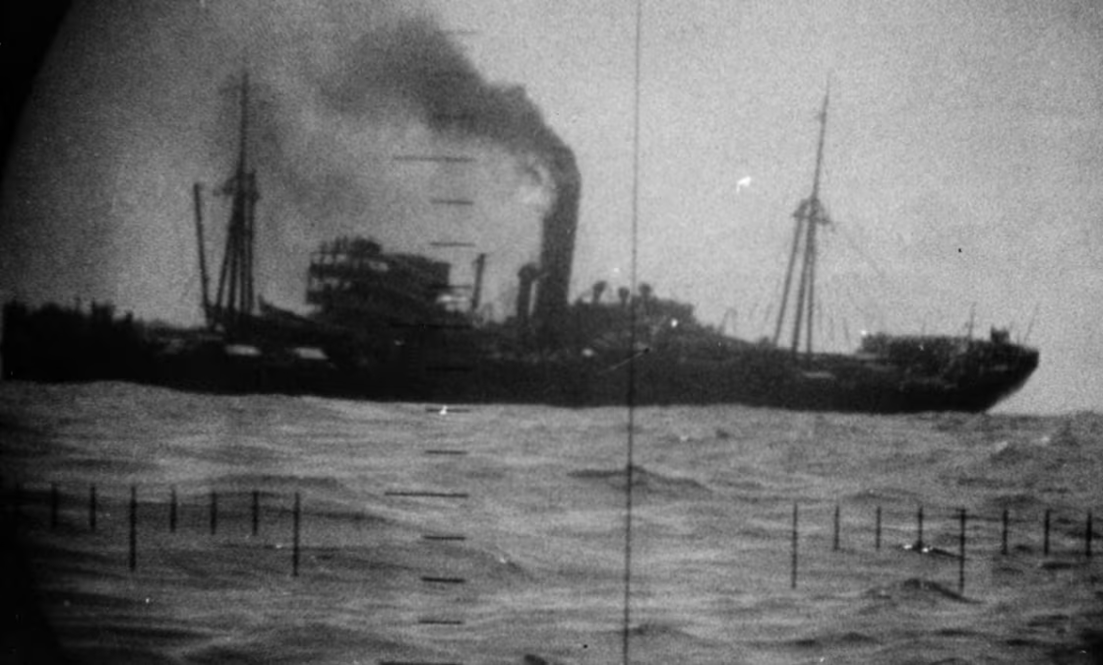
17 June 1947
From: Vice Admiral C. A. Lockwood, Commander of Submarine Force Pacific Fleet during World War II.
To: Chief of Naval Communications, Rear Admiral Earl E. Stone
Subject: Communication Intelligence against the Japanese in World War II. .
1. I am enclosing herewith a statement as to the value of communication intelligence against the Japanese in World War II.
Continue reading “Significant Contributions COMINT made ISO Submarines Warfare During WWII”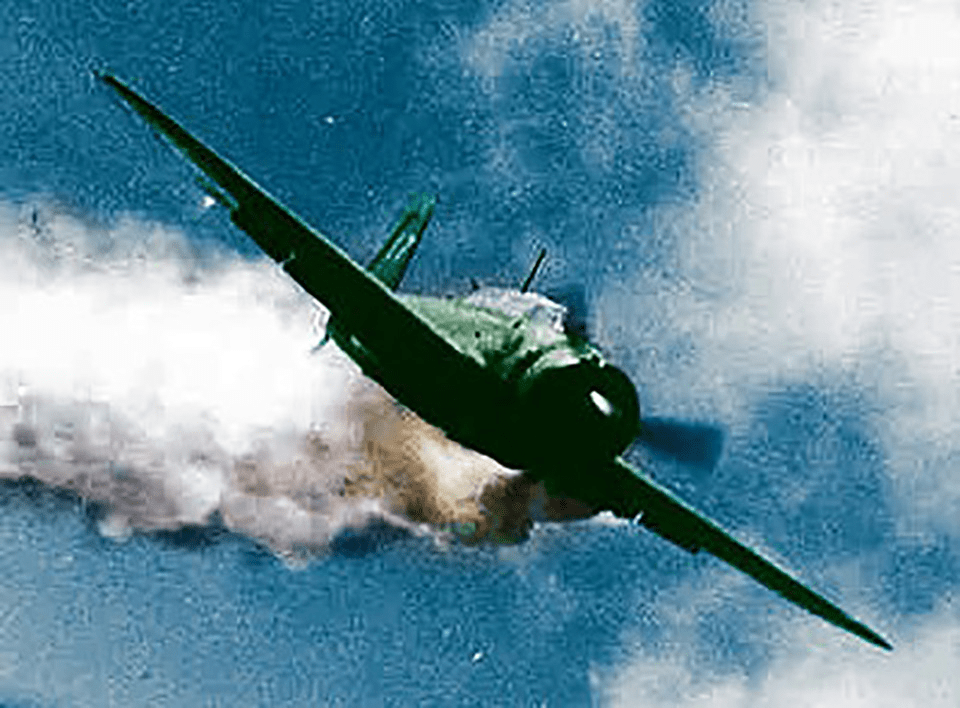
Quoting Captain Holmes again how the course of the War was changed the nature of our work:
“The virtual destruction of the Japanese Navy and the drastic reduction in the numbers of marus brought about changes in radio intelligence. It also forced the Japanese to suicide weapons of many varieties. Most effective were kamikazes which, in April and May 1945, took off from Kyushu in mass flights to attack U.S. ships in the vicinity of Okinawa. Kamikazes were the most serious threat the Navy faced during the war.”
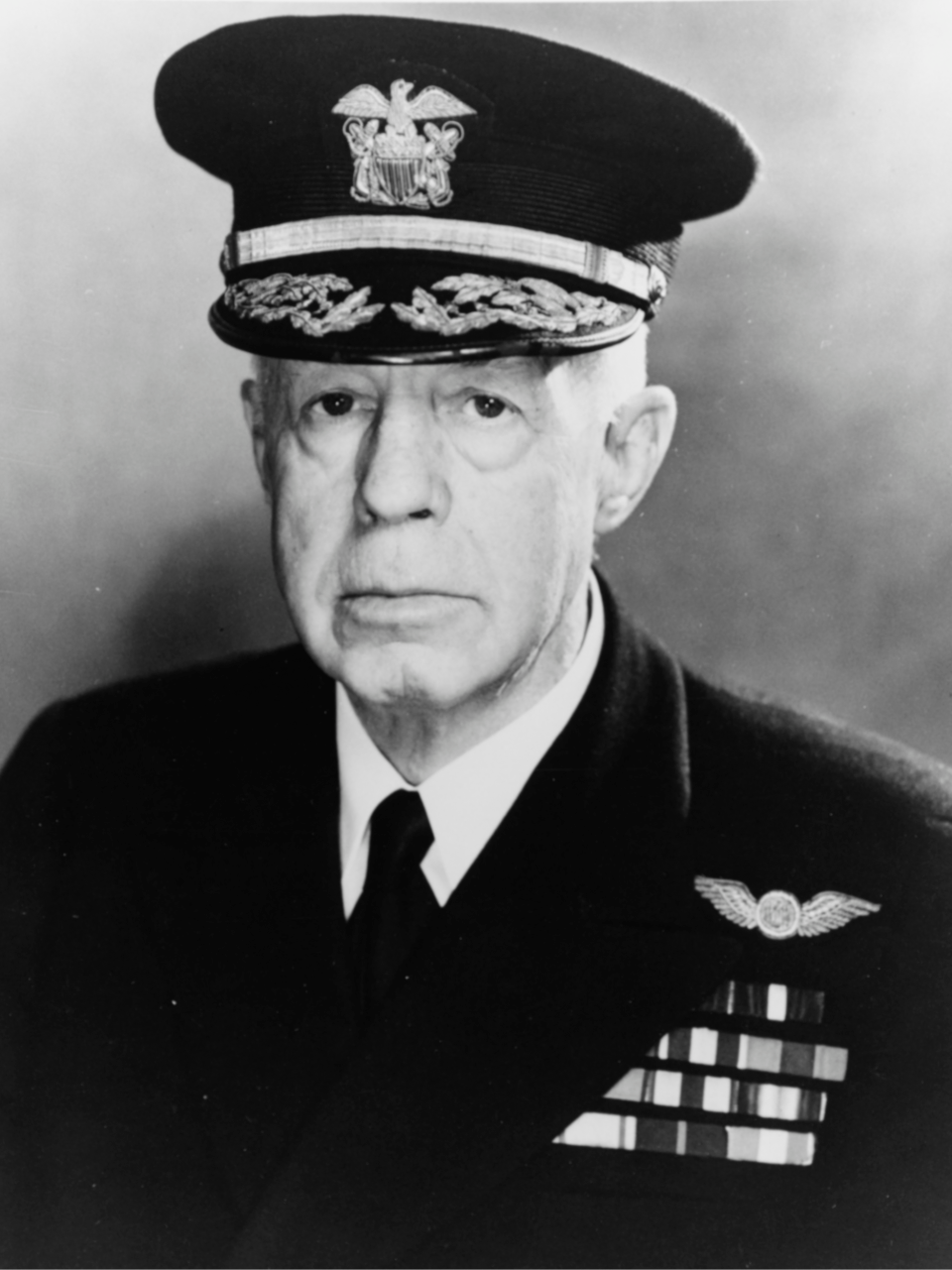
Did the Imperial Japanese Navy use a mock raid on Pearl Harbor that was conducted on February 7, 1932 as a blue print for their December 7, 1941 attack?
Continue reading “The First Attack: Pearl Harbor, February 7, 1932”
A diplomatic row with Japan over Taiwan has China turning to Britain and France for support, appealing to their shared history as wartime allies.
China’s diplomatic full-court press against Japan over its support for Taiwan has targeted President Trump, the United Nations and, now, two of Tokyo’s closest European partners.
Continue reading “China, Evoking World War II, Urges Europe to Take Its Side Against Japan”
