
Quoting Captain Holmes again how the course of the War was changed the nature of our work:
“The virtual destruction of the Japanese Navy and the drastic reduction in the numbers of marus brought about changes in radio intelligence. It also forced the Japanese to suicide weapons of many varieties. Most effective were kamikazes which, in April and May 1945, took off from Kyushu in mass flights to attack U.S. ships in the vicinity of Okinawa. Kamikazes were the most serious threat the Navy faced during the war.”
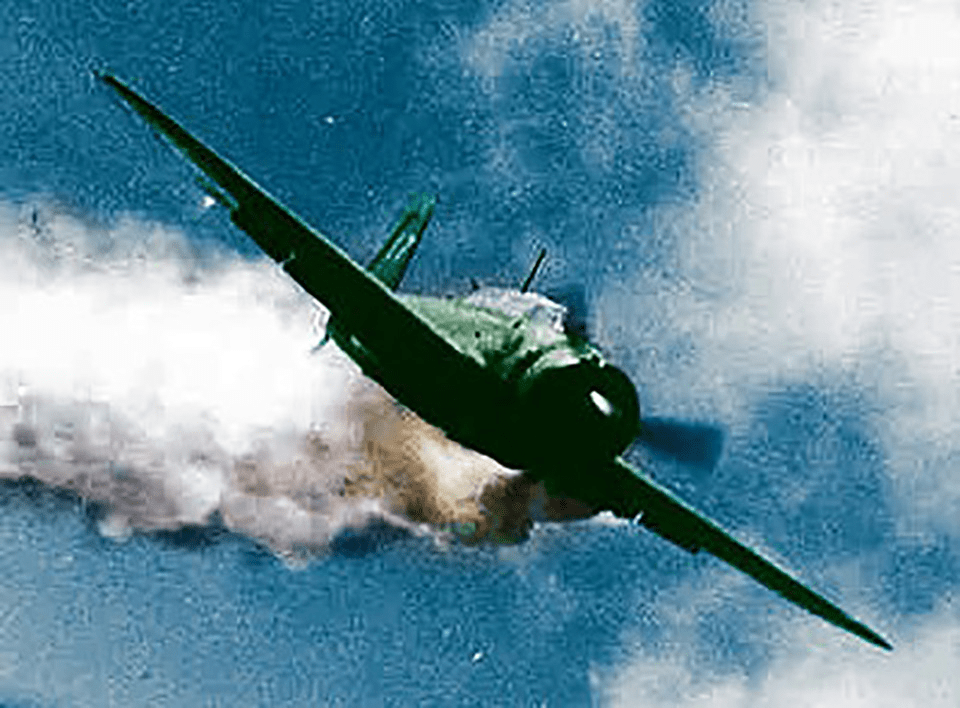
Did the Imperial Japanese Navy use a mock raid on Pearl Harbor that was conducted on February 7, 1932 as a blue print for their December 7, 1941 attack?
Continue reading “The First Attack: Pearl Harbor, February 7, 1932”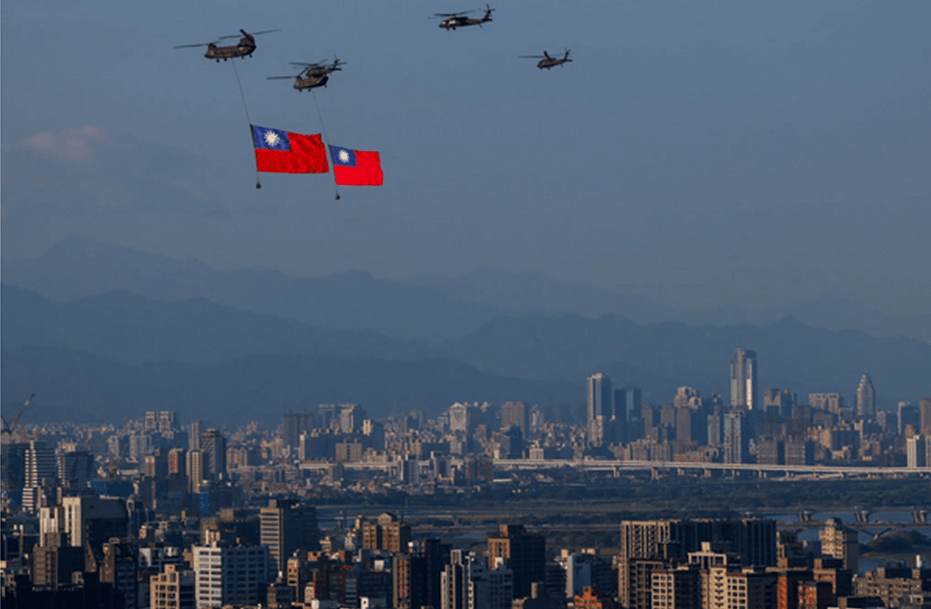
A diplomatic row with Japan over Taiwan has China turning to Britain and France for support, appealing to their shared history as wartime allies.
China’s diplomatic full-court press against Japan over its support for Taiwan has targeted President Trump, the United Nations and, now, two of Tokyo’s closest European partners.
Continue reading “China, Evoking World War II, Urges Europe to Take Its Side Against Japan”
The People’s Liberation Army (PLA) response to Taiwan President Lai’s inauguration highlighted Beijing’s regional assertiveness and military capabilities. That same week, China’s ambassador to Japan implied that the Japanese would be “brought into the fire” over their support for Taiwan’s independence. Both activities underscore why Japan is worried about a potential Taiwan contingency, and Tokyo’s unease is not limited to Beijing’s threats to Taipei.
Continue reading “How China’s Expanded Operations in the Sea of Japan are Troubling Tokyo”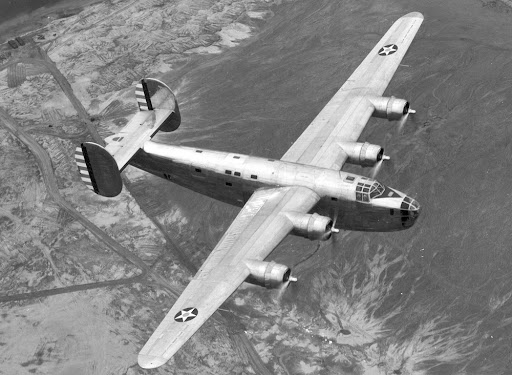
On November 2, 1942, Phil’s crew climbed aboard Super Man (B-24 LIBERATOR) and readied to go to war. They were heading into a desperate fight. North to south, Japan’s new empire starched five thousand miles, from the snowboard Aleutians to Java, hundreds of miles north of the equator.
Continue reading “Unbroken”
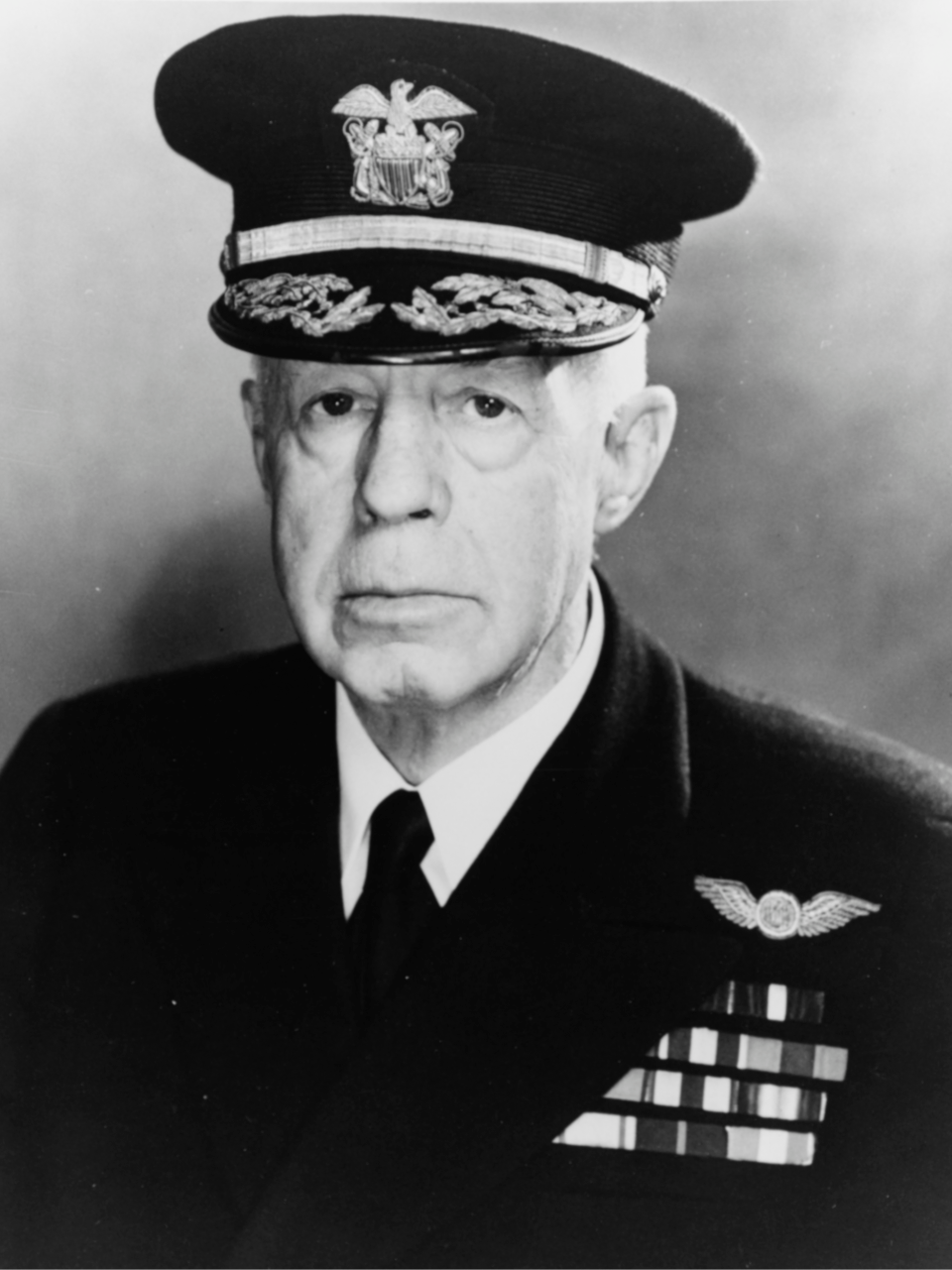
In the months leading up to the devastating Japanese attack on Pearl Harbor, few voices within the U.S. Navy spoke out with the clarity and conviction of Admiral James O. Richardson. As Commander in Chief of the U.S. Fleet (CINCUS) from January 1940 to February 1941, Richardson was uniquely positioned to assess the strategic posture of the Pacific Fleet. Yet despite his experience and reasoned objections, his warnings about relocating the fleet to Hawaii were ultimately disregarded—decisions that would have profound consequences for the United States and the course of World War II.
Continue reading “The Ignored Warning Before Pearl Harbor” Station HYPO