
Madam Congresswoman Cammack,
Continue reading “Another letter to my Congressional Representative From LT Frank McInturff, USN (Ret.), USS LIBERTY Survivor –”
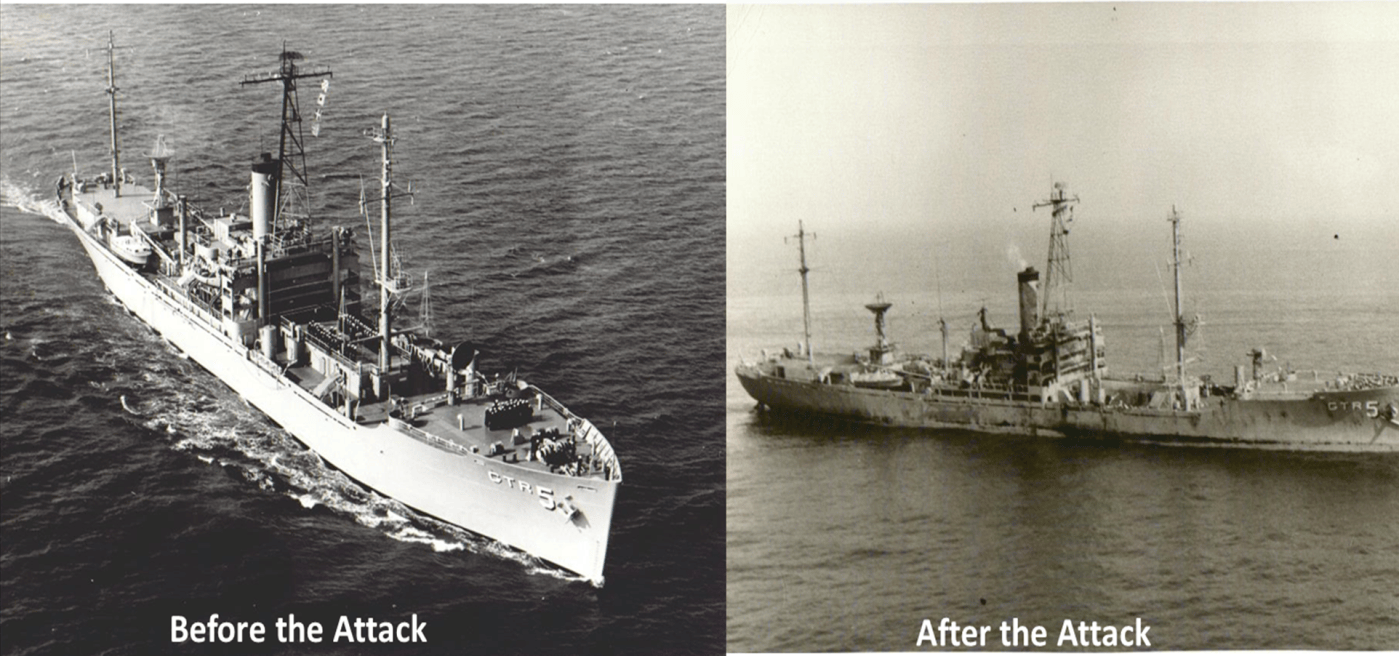
Liberty Park is dedicated to the memory of 34 Sailors who gave their lives on June 8, 1967, defending the USS Liberty against sustained air and sea attack by the armed forces of Israel. The park includes an original brass plaque from the USS Liberty, and other various Navy-unique items such as deck guns, propeller, mast flagpole and anchor. Liberty Park is located next to the Navy Headquarters on Vance Street and is available to view at any time.
Nearly 60 years ago, Israel attacked the U.S. Navy ship. Finally, a congressman has paid tribute to the victims and survivors.
On June 8, 1967, the American Navy’s ship the USS Liberty was attacked by Israel, killing 34 and wounding at least 171.
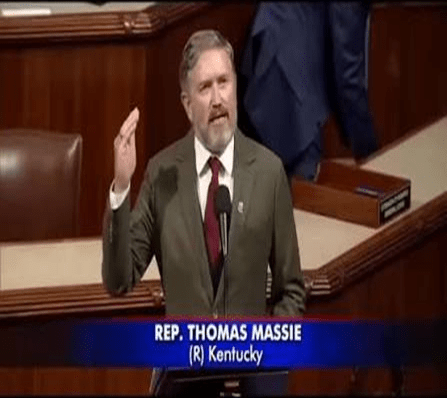
On June 8, 2026, Rep. Thomas Massie (R-KY) said, on the House floor,
“It’s my great honor, maybe one of the biggest honors of my lifetime, to stand here on the floor and do something that’s 59 years overdue, to recognize the survivors and those who gave their lives on the USS Liberty 59 years ago today, when they were viciously attacked by IDF [Israel Defense Force] jets and also after that by torpedo boats.”
Continue reading “Massie Recognizes USS Liberty Attack. Here’s Why That Matters”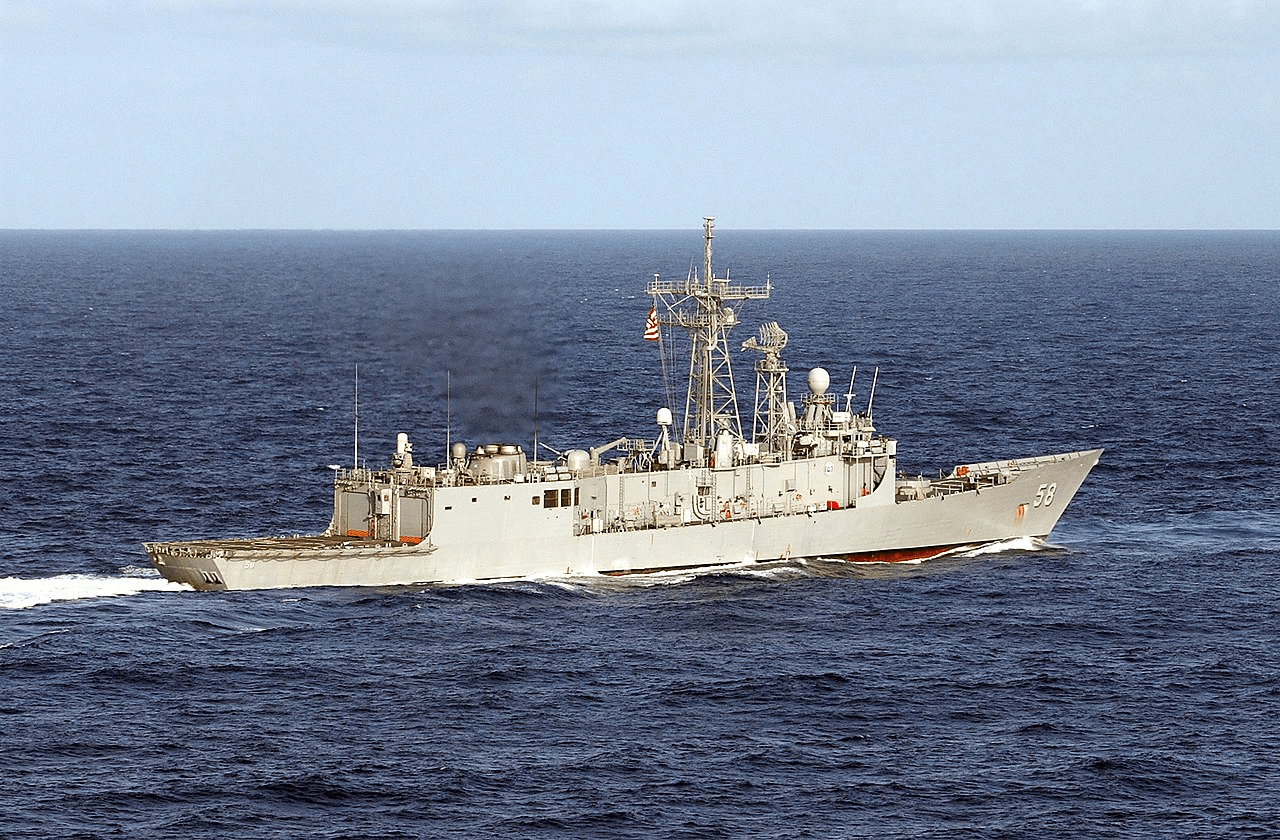
In April 1988, the ship participated in Operation Earnest Will in the Arabian Gulf. The United States launched the operation to protect reflagged Kuwaiti tankers during the “Tanker War” phase of the Iran-Iraq war.
On 14 April 1988, Samuel B. Roberts was on her way to meet with San Jose (AFS-7) to replenish stores when a lookout spotted mines in the area. Once the commanding officer, Cmdr. Paul Rinn, confirmed the ship had entered a minefield, he sent the crew to battle stations. He also ordered the men below to come topside—in the event of mine damage below the waterline. Rinn reversed engines and backed out of the minefield but hit an Iranian moored contact mine.
Continue reading “On April 14, 1988, USS Samuel B. Roberts (FFG 58) Hit a Mine”
During the tumultuous times of Operation Desert Storm in the 1990s, military strategists found themselves engaged in a high-stakes game of cat and mouse. In this theater of war, intelligence was the currency that could spell the difference between victory and defeat. Among the many innovative tactics employed during this conflict, one stands out as both unconventional and surprisingly effective: Pizza Intelligence, affectionately dubbed PIZINT.
Continue reading “How Pizza Orders Foreshadowed Military Operations”
The Naval Security Group first represented in Naples Italy 1952 as Communication Security Unit 601. Six years later, in 1958, the Unit 601 was changed to U.S. Naval Security Group Det. On October 1, 1979, NSGD was administratively disestablished, and U.S. Naval Security Group Activity (NSGA) was established. Two years later in 1981, STREAMLINER and TACINTEL were installed.
Continue reading “OTD: NSGA Naples Decommissioned”
