
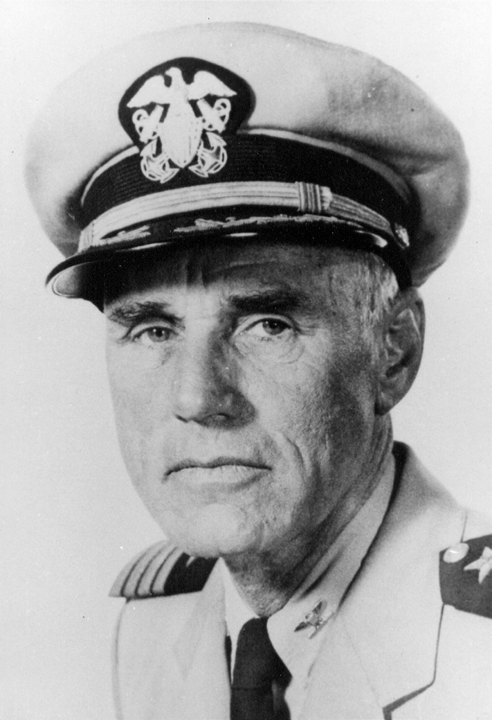
Prescott Hunt Currier was an American naval officer and cryptanalyst who contributed to American and British cryptographic cooperation during World War II and later gained recognition for his work on the Voynich manuscript. In 1941, Currier was part of a U.S. cryptologic delegation that visited Bletchley Park, where he contributed to early Anglo-American codebreaking efforts. He was awarded the Legion of Merit twice, in the Second World War and the Korean War respectively. He analyzed the Voynich manuscript in the 1970s, proposing significant structural insights that have influenced subsequent research into the manuscript’s origins.
Continue reading “Remembering CAPT Prescott Currier, Naval Officer and Cryptanalyst”
In an inspiring show of camaraderie, remembrance, and pride, the Smokey Mountain Chapter of the Naval Cryptologic Veterans Association (NCVA) hosted a landmark 2025 reunion in Chattanooga, Tennessee. Dedicated to preserving the legacy and heritage of U.S. Naval Cryptology, the event drew veterans and active-duty personnel from across the country, uniting generations of Sailors under a common cause: to keep the flame of naval cryptologic history burning brightly.
Continue reading “Keeping Naval Cryptologic History Alive: NCVA 2025 Reunion in Chattanooga a Resounding Success”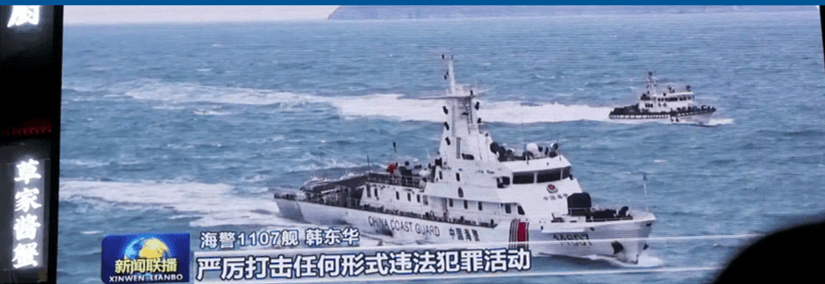
In a recent speech at the 2025 Shangri-la Dialogue, US Secretary of Defense, Pete Hegseth, told the audience that China’s attempt to conquer Taiwan by force “could be imminent.” The possibility of such a rapid escalation stems from China’s increased military activity around Taiwan, which has made distinguishing exercises from true military action nearly impossible. According to Admiral Samuel Paparo, the commander of US Indo-Pacific Command (INDOPACOM), Chinese military pressure on Taiwan has reached a “rapid boil.” How rapid? In his April testimony before the Congressional Armed Services Committees, Paparo said there has been a 300 percent annual increase in Chinese military pressure against Taiwan. He later noted that the People’s Liberation Army (PLA) is “stretching their legs” to meet President Xi Jinping’s 2027 military readiness goal of being capable of taking Taiwan by force.
Continue reading “China Is Carrying Out ‘Dress Rehearsals’ To Take Taiwan. Here’s How The U.S. Should Respond.”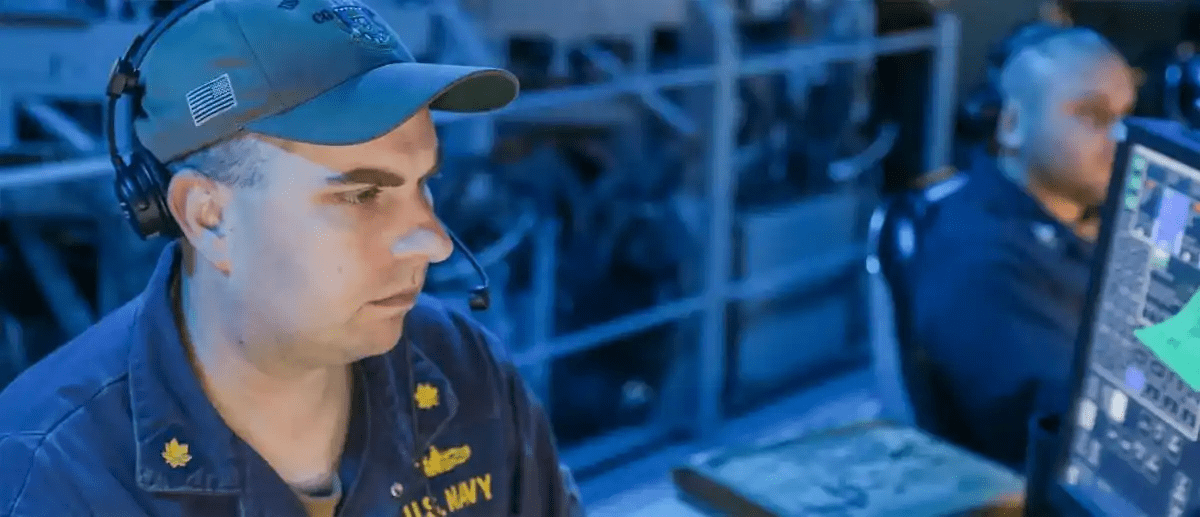
Proceedings, June 2025… by Rear Admiral Sean Bailey, Captain Brian Evans, and Commander Matthew Timmerman, U.S. Navy
After more than 24 hours of careful movement to evade detection, the strike group remains more than 18 hours from its designated position to launch strikes. The screen is distributed to the maximum extent feasible, optimizing sensor employment while attempting to complicate adversary targeting. The tactical situation (TACSIT) assessment from the information warfare commander (IWC) holds all units within ordered mission go/no-go criteria. Determining that adversary positioning and sensor capabilities provide a period of simplified maneuver and decreased detection risk, the strike group commander and information warfare commander retire for a couple hours of sleep before the operation’s next phase.
Continue reading “Tactical Action Officers: Information Warfare’s Next Evolution”
- America’s conflict with the Houthis gave the US Navy a taste of high-tempo air defense operations.
- The Navy is using the conflict to inform planning for future maritime wars, like a clash with China.
- One warship captain said a fight in the Pacific would be vastly different from the Red Sea battle.
The US Navy’s exhausting shootout with the Iran-backed Houthis has given American military planners a clearer view into the complexities of high-tempo air defense operations.
Continue reading “A US Navy warship captain said the Red Sea conflict was a ‘knife fight in a phone booth.’ China would be way more challenging.”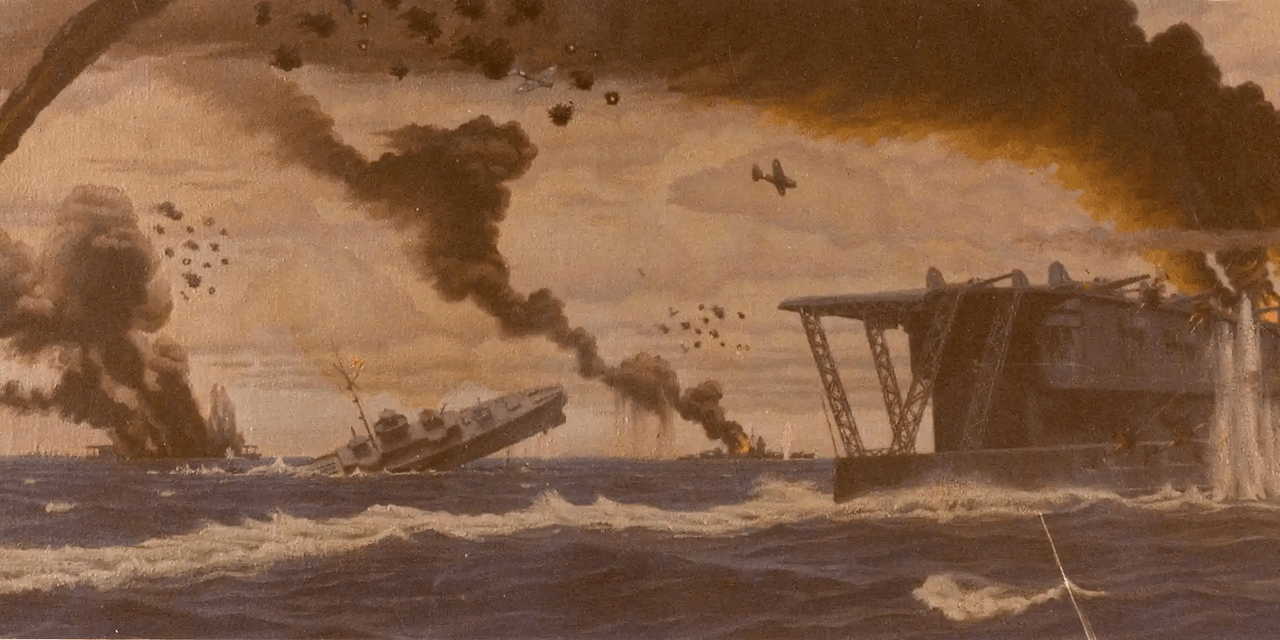
Advanced intelligence helped the Allies turn the tables on Japan in this crucial World War II naval battle.
In May 1942, U.S. and Australian naval and air forces were facing off against the Imperial Japanese Navy in the Battle of the Coral Sea in the South Pacific. But in a windowless basement at Pearl Harbor, a group of U.S. Navy codebreakers had intercepted Japanese radio messages suggesting Japan was planning an entirely different—and potentially far more damaging—operation in the Pacific theater.
Continue reading “How Codebreakers Helped Secure U.S. Victory in the Battle of Midway” Station HYPO