
by Matt Zullo, CTICM(ret.)
2001 OTRG award winner
OTRG Historian and Author
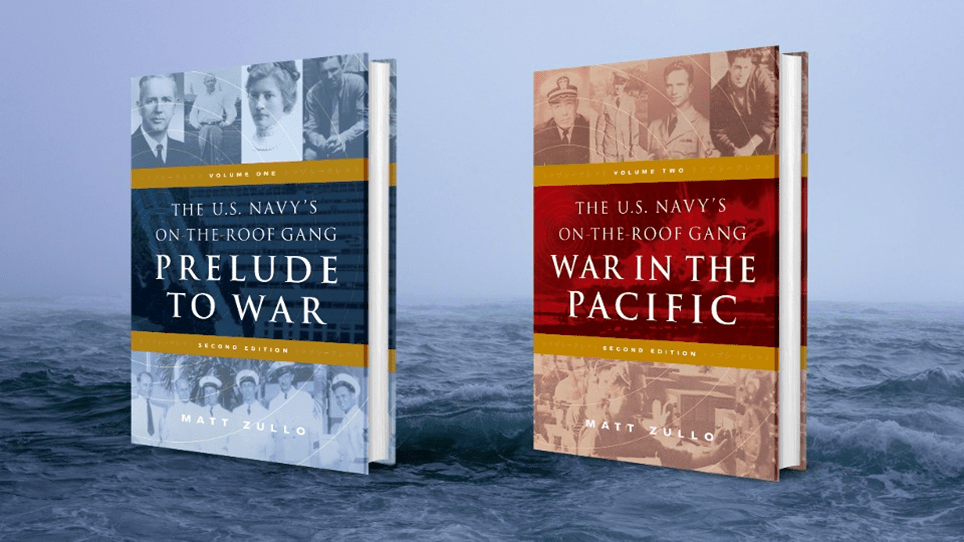
As many of you likely know, I published a pair of books in 2020 about our very own “On-the-Roof Gang,” the US Navy’s cryptologic pioneers. Thanks to you, these books have sold well and have garnered some amazing reviews on many online retailer websites. Since then, I have continued my research into the group, finding new information and new photographs that are pertinent to the story. I am very excited to announce that I have published a Second Edition of both volumes of the books.
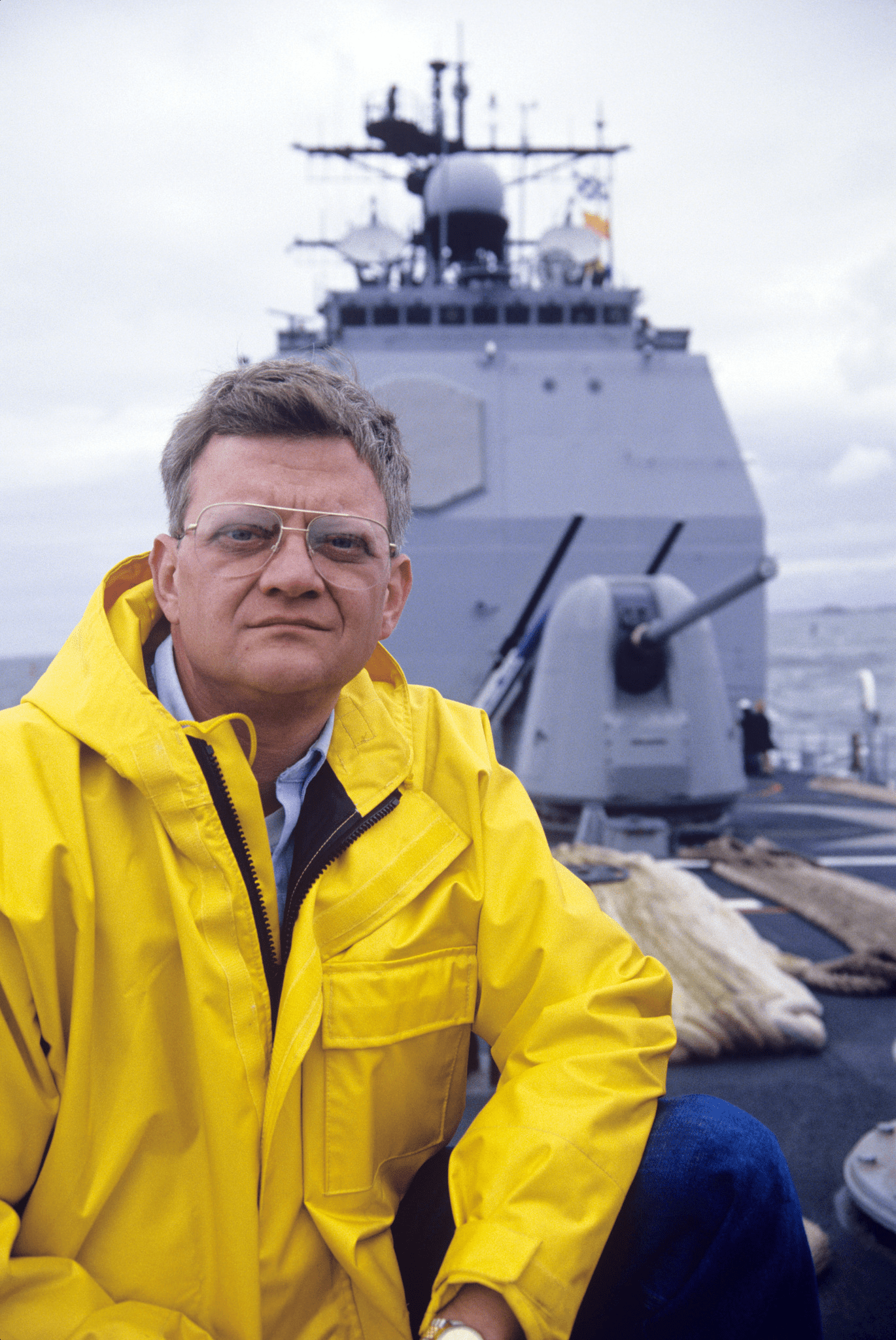
In 1982, an insurance agent with a fascination for naval history and Cold War strategy sat down to write a novel. He had no grand expectations—just a hope that maybe 5,000 readers would buy his book. That writer was Tom Clancy, and the manuscript was The Hunt for Red October.
Continue reading “Tom Clancy and The Hunt for Read October”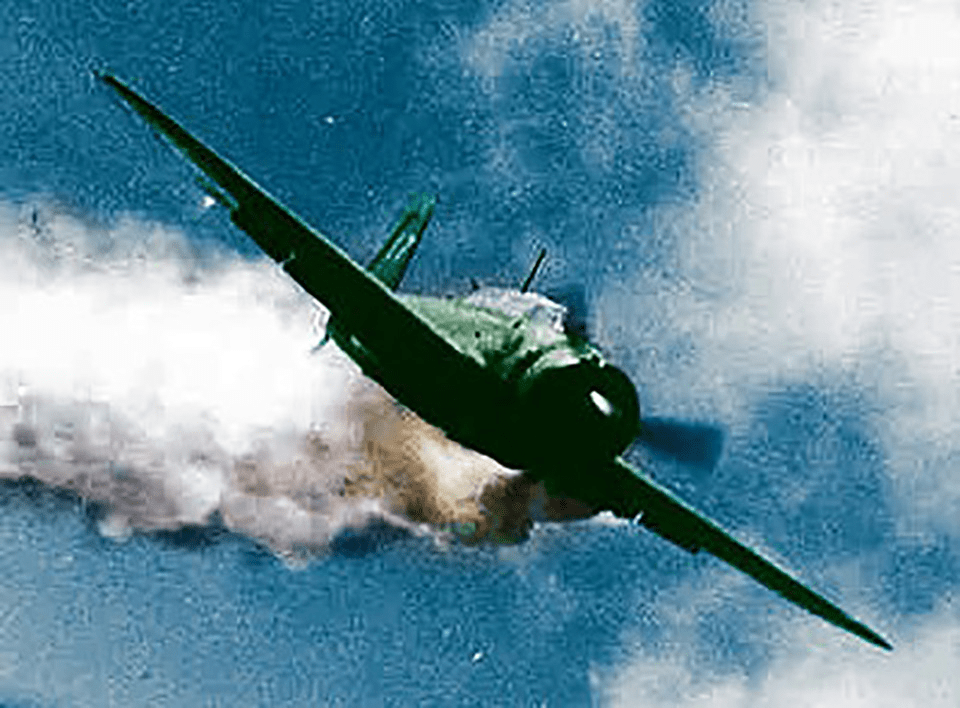
Quoting Captain Holmes again how the course of the War was changed the nature of our work:
“The virtual destruction of the Japanese Navy and the drastic reduction in the numbers of marus brought about changes in radio intelligence. It also forced the Japanese to suicide weapons of many varieties. Most effective were kamikazes which, in April and May 1945, took off from Kyushu in mass flights to attack U.S. ships in the vicinity of Okinawa. Kamikazes were the most serious threat the Navy faced during the war.”

How a ruse to keep German pilots confused gave the Vitamin-A-rich vegetable too much credit.
Continue reading “Using Carrots as a Ruse”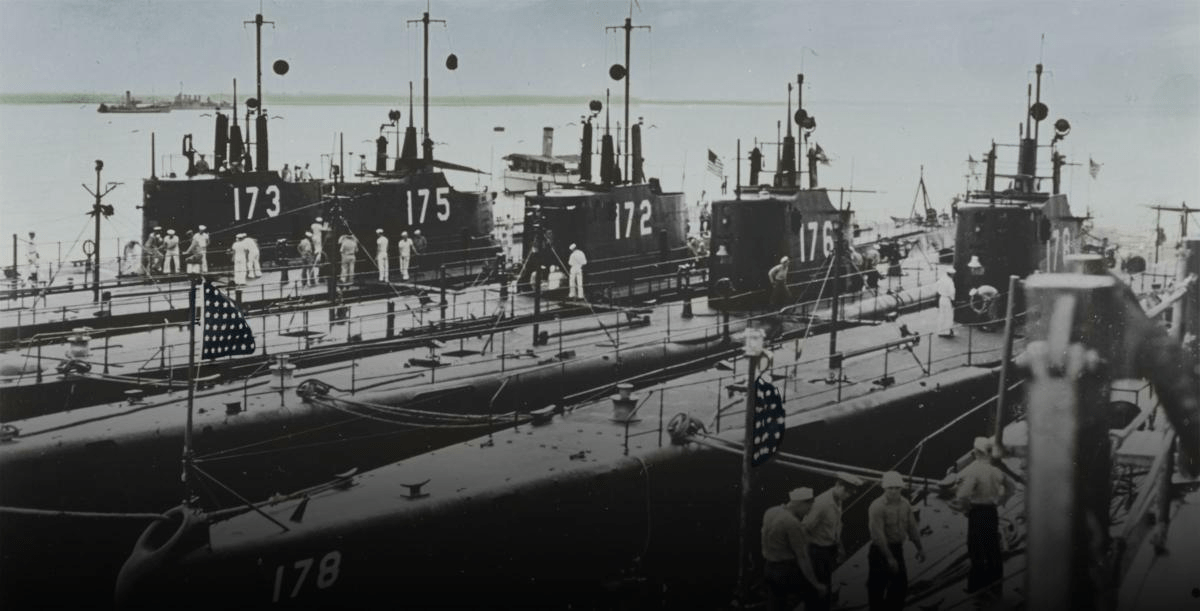
Clay Blair, Jr., who served as a Quartermasters, 2nd Class on submarines in WWII, wrote a 1,000 page book subtitled, The U.S. Submarine War Against Japan. He titled his book, SILENT VICTORY, because the skippers and crews like their comrades in radio intelligence were not permitted to discuss their exploits until after the War was over. In summary:
Continue reading “Silent Victory Beneath the Waves: Submarines, Radio Intelligence, and the Hidden War Against Japan During WWII”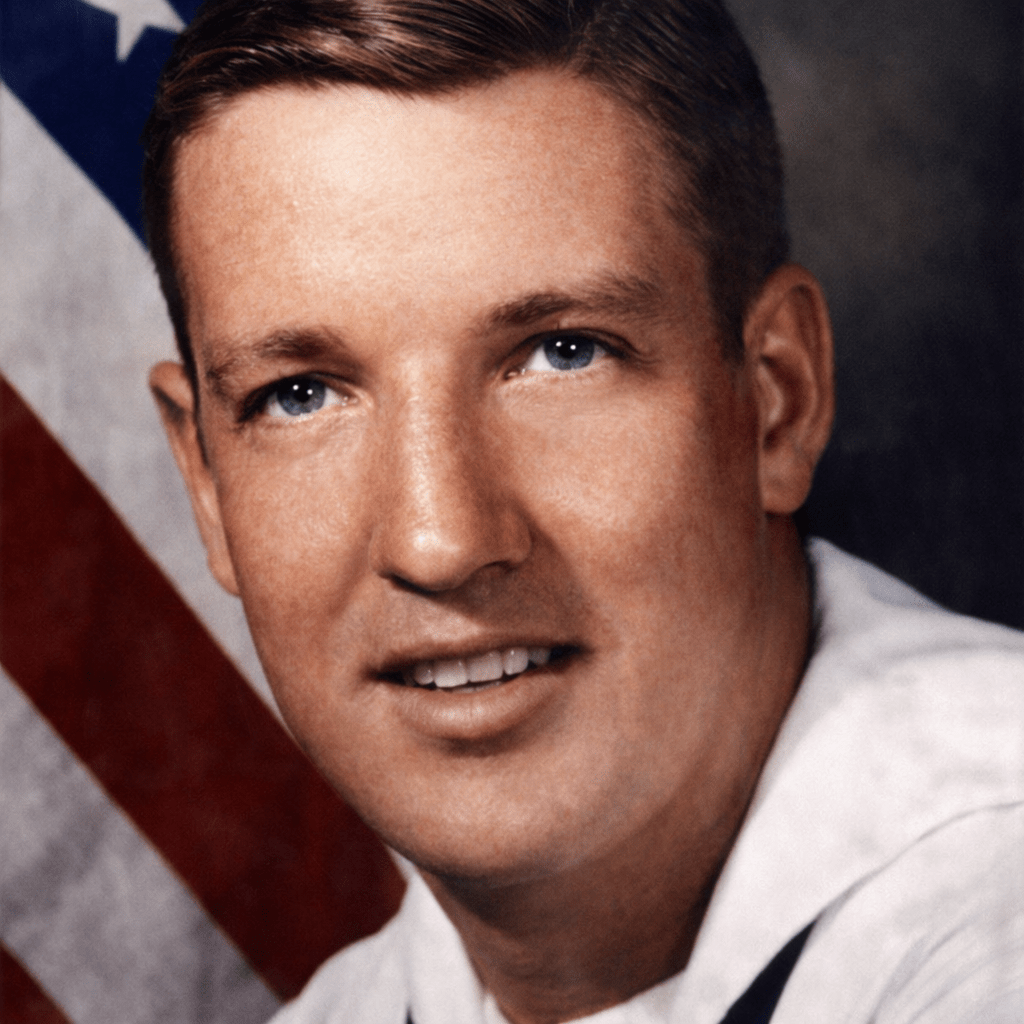
February 10, 1943 – June 8, 1967
“A Blue-jacket of the First Watch” is how Captain William L. McGonagle, U. S. Navy, described Petty Officer Curtis Allan Graves during the solemn dedication of Graves Hall held Saturday, November 14, 1970 onboard Corry Station.
Continue reading “Remembering CTO1 Allan Graves, KIA, USS Liberty”
