
The Naval Security Group first represented in Naples Italy 1952 as Communication Security Unit 601. Six years later, in 1958, the Unit 601 was changed to U.S. Naval Security Group Det. On October 1, 1979, NSGD was administratively disestablished, and U.S. Naval Security Group Activity (NSGA) was established. Two years later in 1981, STREAMLINER and TACINTEL were installed.
Continue reading “OTD: NSGA Naples Decommissioned”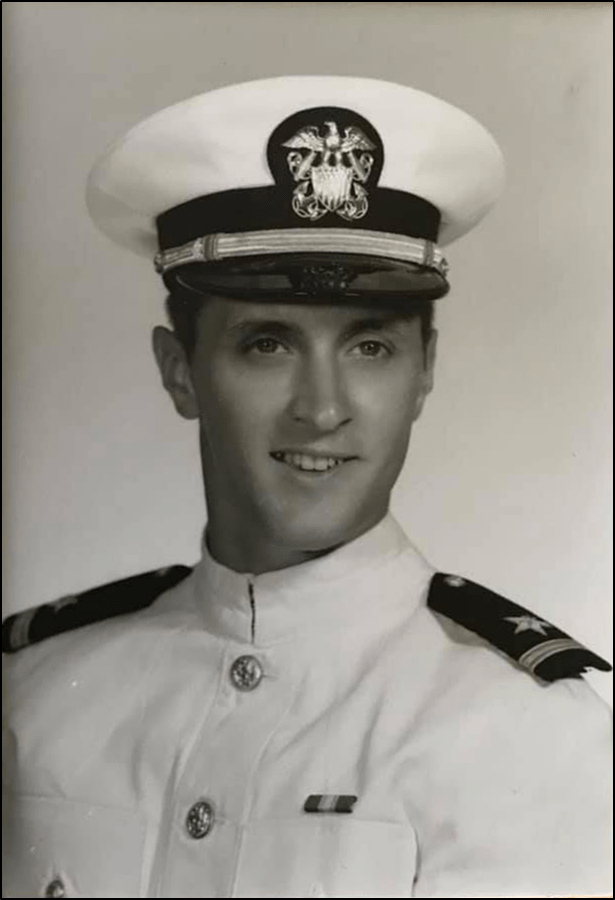
LTJG Norman Elbert Wilkerson
March 30, 1943 – April 15, 1969
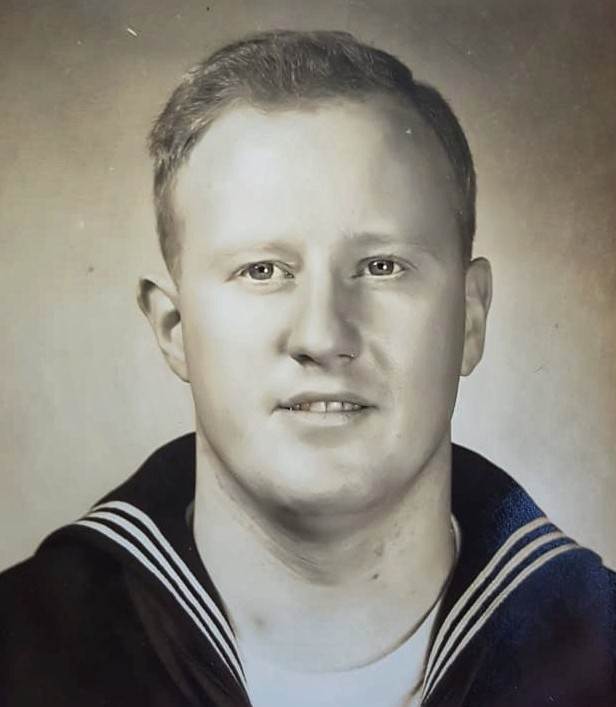
Commander Guy Thomas enlisted in the Naval Reserve in Corpus Christi, Texas on 20 July 1965 while attending the University of San Francisco. 18 months later, with only 8 credits needed for graduation, he was called to active duty and assigned as a deck force seaman to the pre-commissioning crew of USS Horne (DLG 30), commanded by CAPT (ADM) Stansfield Turner, being built in San Francisco. During the next year he was able to finish his degree in History and put in for Officer’s Candidate School (OCS), but was turned down. He became the Commanding Officer’s driver who encouraged him to reapply for OCS which he did and was accepted. He was also assigned as the clerk for the Intelligence team and became the acting intelligence officer when both of the other two team members became unavailable. Deployed to Vietnam, he worked closely with the embarked NavSecGru Direct Support (DirSup) team who encouraged him to volunteer for duty with them, which he did.
Continue reading “CDR George “Guy” Thomas, USN (ret.)”
On March 23, 2018, Navy Information Operations Command (NIOC) Norfolk disbanded to create the Information Warfare Training Group (IWTG) in Norfolk, Virginia, five days later on March 28.
Continue reading “OTD 2018 IWTG Norfolk Established”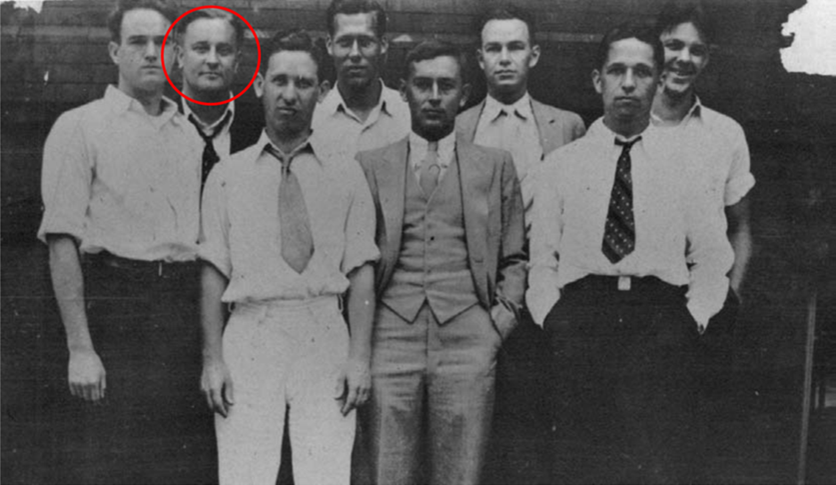
Radioman Second Class (RM2c) Walter Carl Rathsack was selected for the tenth class of the On-The-Roof Gang training that began in March 1933. Along with the other seven Radiomen in the class, he graduated in June 1933 and was ordered to Station BAKER in Guam. In the years leading up to World War II, Petty Officer Rathsack performed Radio Intelligence operations in Guam, Philippines and Hawaii.
Continue reading “The Most Dangerous Assignment”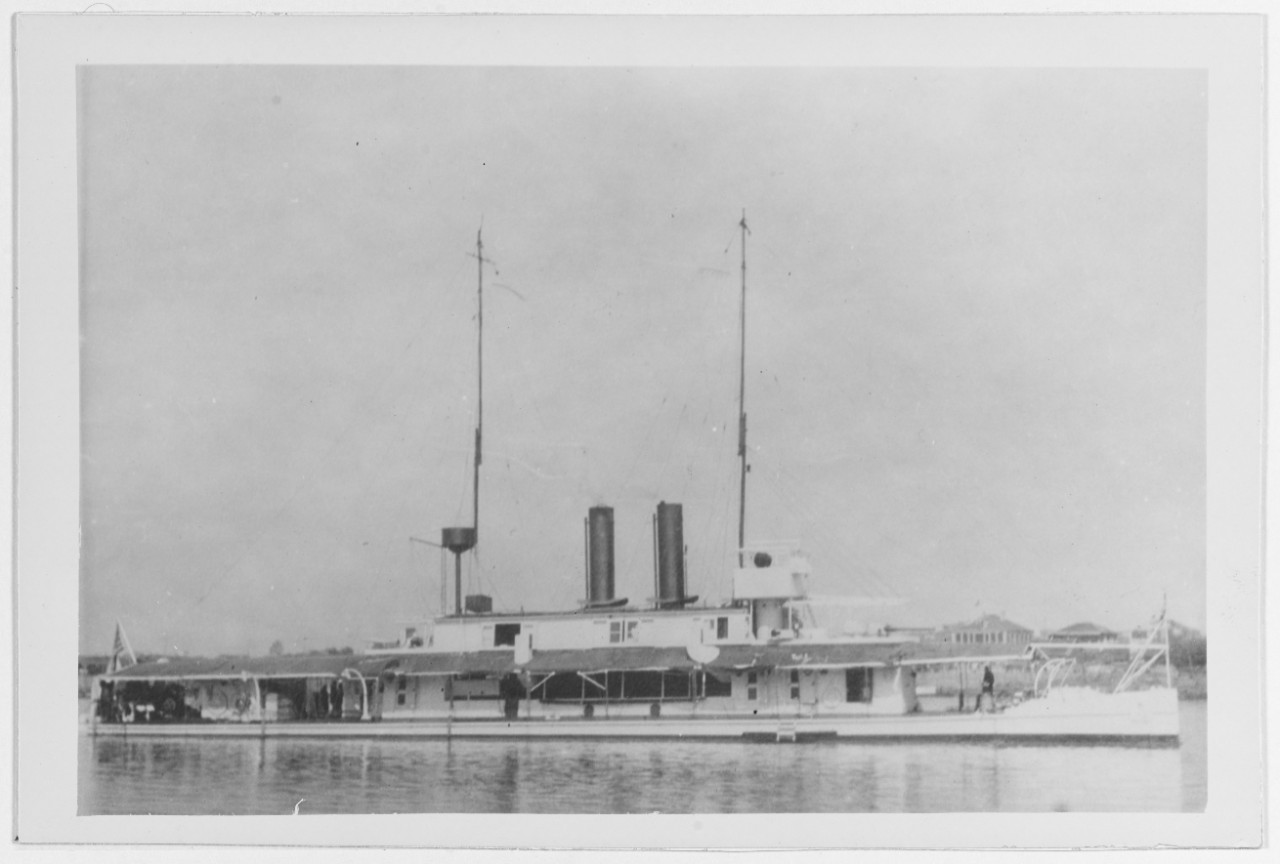
Early in 1924, the Chief of Naval Operations (CNO), Admiral Edward W. Eberle, encouraged the Commander in Chief, Asiatic Fleet (CINCAF), Admiral Thomas Washington, to expand radio intelligence facilities in his area. As a result of this encouragement, in 1924, the first shore-based intercept station was established in the American consulate in Shanghai. Its primary target was the diplomatic radio network serving the numerous Japanese consulates throughout China. Shanghai also copied both Naval and commercial traffic (Japanese and British).
Continue reading “Shanghai, China (Station A) Moved to USS Monocacy (PG-20)” Station HYPO