
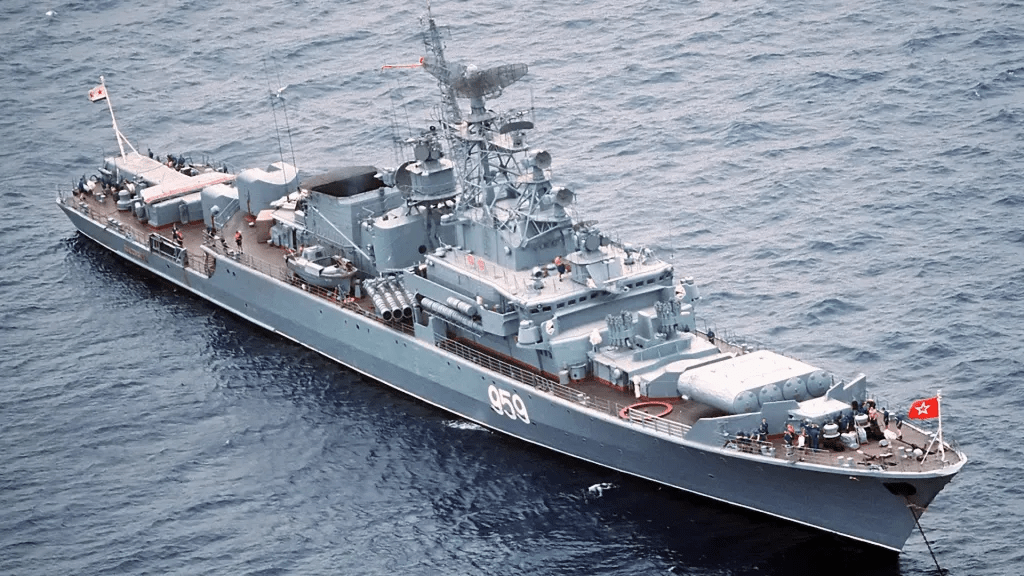
The mutiny aboard a Soviet warship in November 1975 led to a chase across the Baltic Sea, involving everything the Soviets had available.
Naval mutinies have long captured the public imagination, but, for the most part, open rebellions on the high seas are consigned to the Age of Exploration, in centuries past. One notable exception occurred in the Soviet Navy 50 years ago this month and, based on available evidence, almost led to the use of nuclear weapons. The mutiny aboard the frigate Storozhevoy is all the more remarkable for the fact that the Kremlin attempted to cover up its existence, with details only emerging in public a decade after its bloody end.

This year, September 24, 2025, marks the 60th anniversary of one of the most tragic events in the history of U.S. Navy cryptology — the deadly fire at Naval Security Group Activity (NSGA) Kamiseya, Japan. On that fateful day in 1965, a devastating blaze tore through the secure operations building, claiming the lives of 12 brave cryptologists and shipmates who were serving their country in silence and secrecy.
Continue reading “Will Your Command Remember – 60 Years Later: Honoring the Fallen of the NSGA Kamiseya Fire September 24, 1965 – September 24, 2025”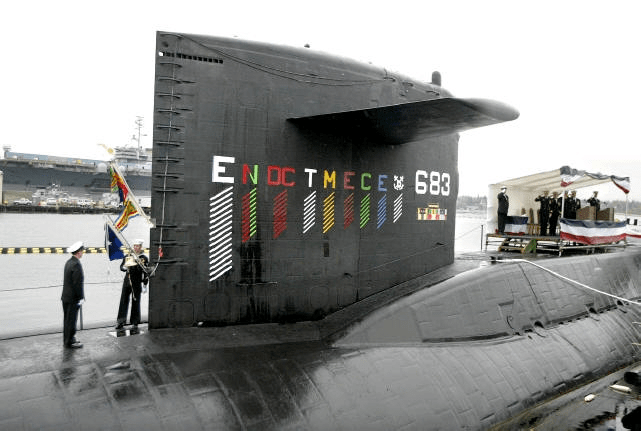
By Chris Barron, Bremerton Sun
On a dark and gloomy rain-filled day, a shroud of secrecy permeated the air on the Bremerton waterfront. It was the perfect setting for the final day in the top-secret career of the Bangorbased USS PARCHE, one of the world’s most prolific spy submarines. By the time its life ended Tuesday in a decommissioning ceremony at the Bremerton naval base, the PARCHE was the most highly decorated ship in Navy history-even though most Americans have never heard of it.
Continue reading “USS PARCHE (SSN-683) – A Silent Warrior’s Final Day”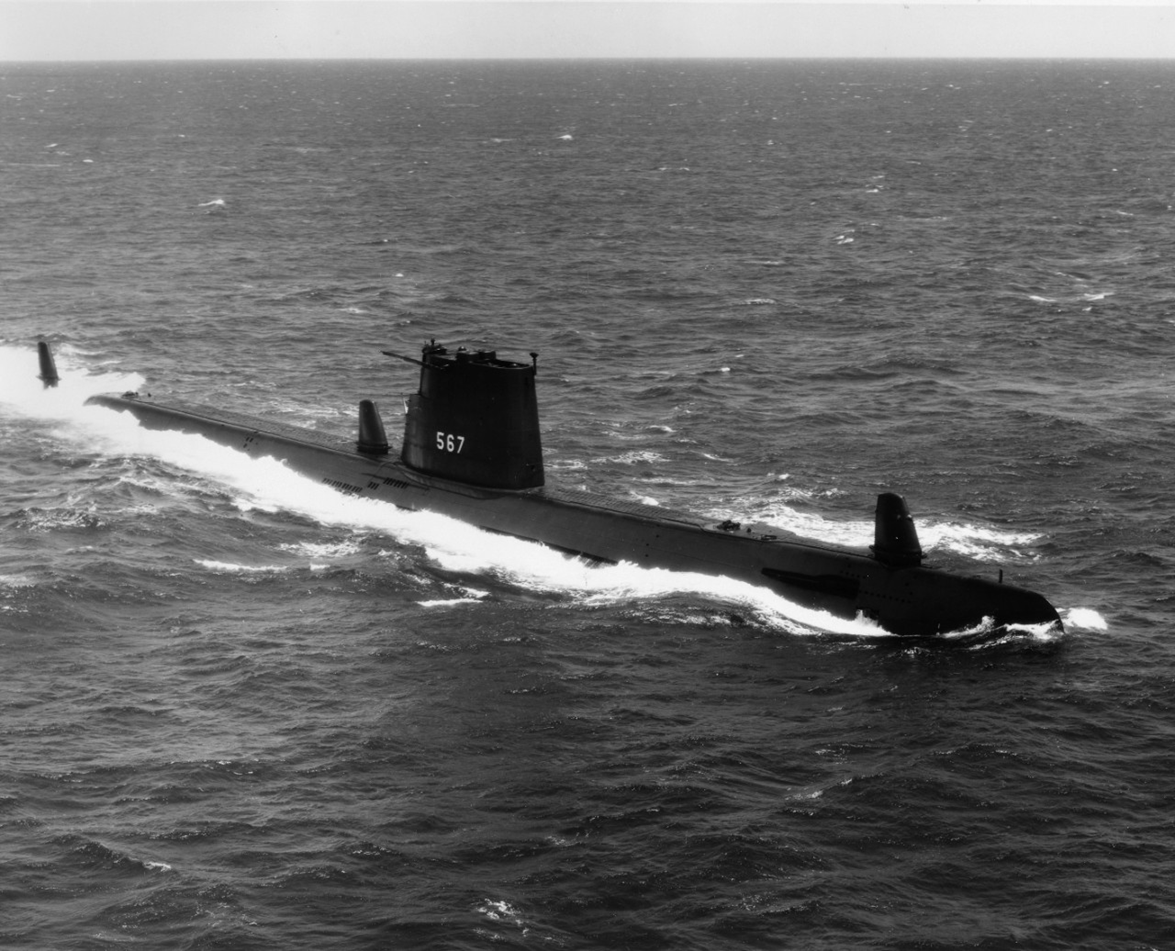
In the shadows of Cold War tensions, beneath the surface of the Sea of Japan, a little-known but significant event unfolded in August 1957 that marked a turning point in submarine espionage and international maritime confrontations. The USS Gudgeon (SS-567), a U.S. Navy submarine, became the first American submarine forced to surface by a foreign power during the Cold War—a moment that revealed the fragility of Cold War boundaries and the stakes of underwater intelligence gathering.
Continue reading “The USS Gudgeon Incident of 1957: The First Cold War Submarine Surfacing”
On September 4, 1974, in one of the Cold War’s most secretive and somber moments, the United States Navy held a burial at sea for the remains of Soviet sailors recovered from the sunken submarine K-129. The submarine had mysteriously disappeared in March 1968, northwest of Hawaii, with all 98 crew members aboard. Years later, the U.S. covertly recovered part of the wreck during the highly classified Project Azorian, an ambitious operation carried out by the CIA using the specially constructed ship Glomar Explorer.
Continue reading “The Loss of Soviet Submarine K-129, the Secret Burial at Sea and CWO4 Jim Reeb (Ret.)”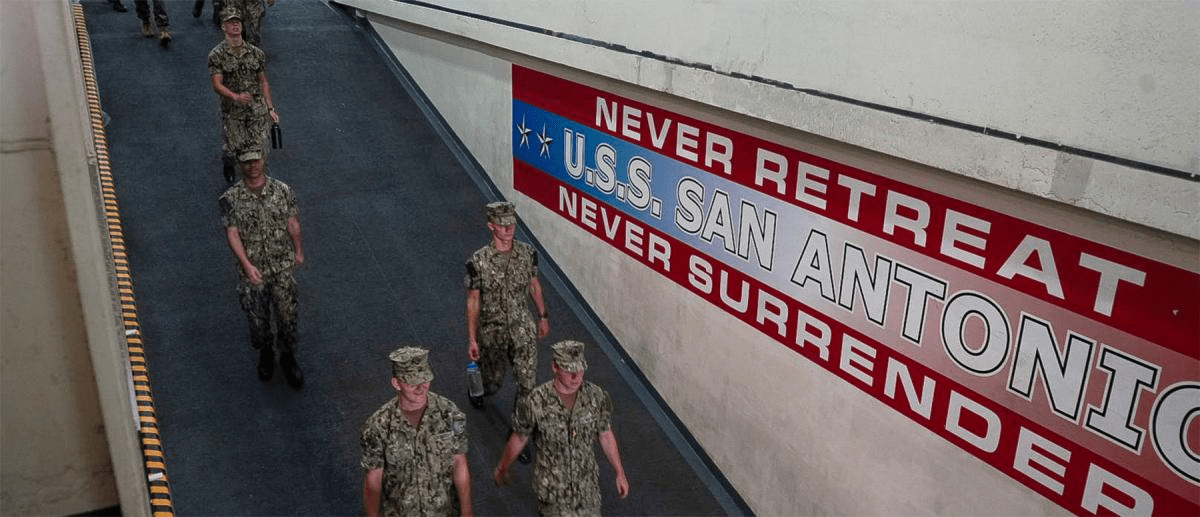
By Ensign Jordan K. Bowman-Davis (U.S. Navy), a maritime cyber warfare officer.
In the summer of 1967, Midshipman First Class Joseph Glutting was put in charge of a 3-inch gun crew onboard the USS Worden (CG-18) during a search-and-rescue operation south of Hanoi. North Vietnamese shore batteries spotted their helicopter and fired off a volley so close that the explosions drenched Glutting and his men with seawater. As a destroyer came to their rescue, Glutting remarked, “That’s the kind of ship I want to be on—going forward and attacking, not heading out of harm’s way.” Fellow midshipmen that same year flew S-2 Trackers on antisubmarine warfare missions and were even sent ashore with Marine Corps Combined Action Platoons. A year later, Midshipman Richard Gano made course adjustments during an underway replenishment onboard the ammunition ship Mauna Kea. “I returned to the Academy with a letter designating me as an OOD, a Vietnam Service Ribbon and later a Meritorious Unit Commendation ribbon,” Gano said. “I was proud of my contributions to the war effort. The cruise ended up being a dream come true.”
Continue reading “Time in the Fleet Should Be a Core Component of Officer Training” Station HYPO