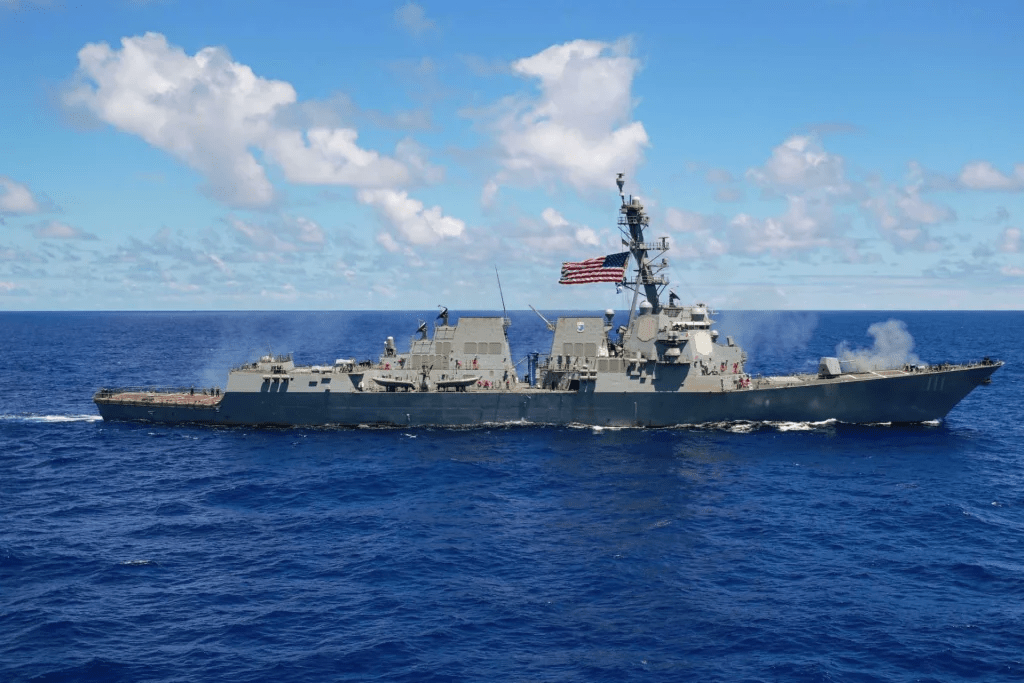
As reported by Chosun on March 18, 2025, South Korea’s HD Hyundai Heavy Industries (HD HHI) hosted a handover ceremony at its Ulsan headquarters for Jeongjo the Great, the lead vessel of Korea’s next-generation Aegis destroyers. During the event, HD HHI stated that it can build up to five Aegis destroyers per year for the U.S. Navy if bilateral cooperation is formalized, and that it is prepared to expand this capacity further depending on demand. The company emphasized that these Aegis destroyers are equivalent in size and performance to the U.S. Navy’s Arleigh Burke-class. This announcement comes as the United States faces structural limitations in its domestic shipbuilding sector, where the number of shipyards has declined from over 400 to fewer than 30.
Continue reading “South Korea offers to build five Aegis destroyers per year to help the US counter China at sea.”April 9, 2025 | By David Vergun, DOD News |
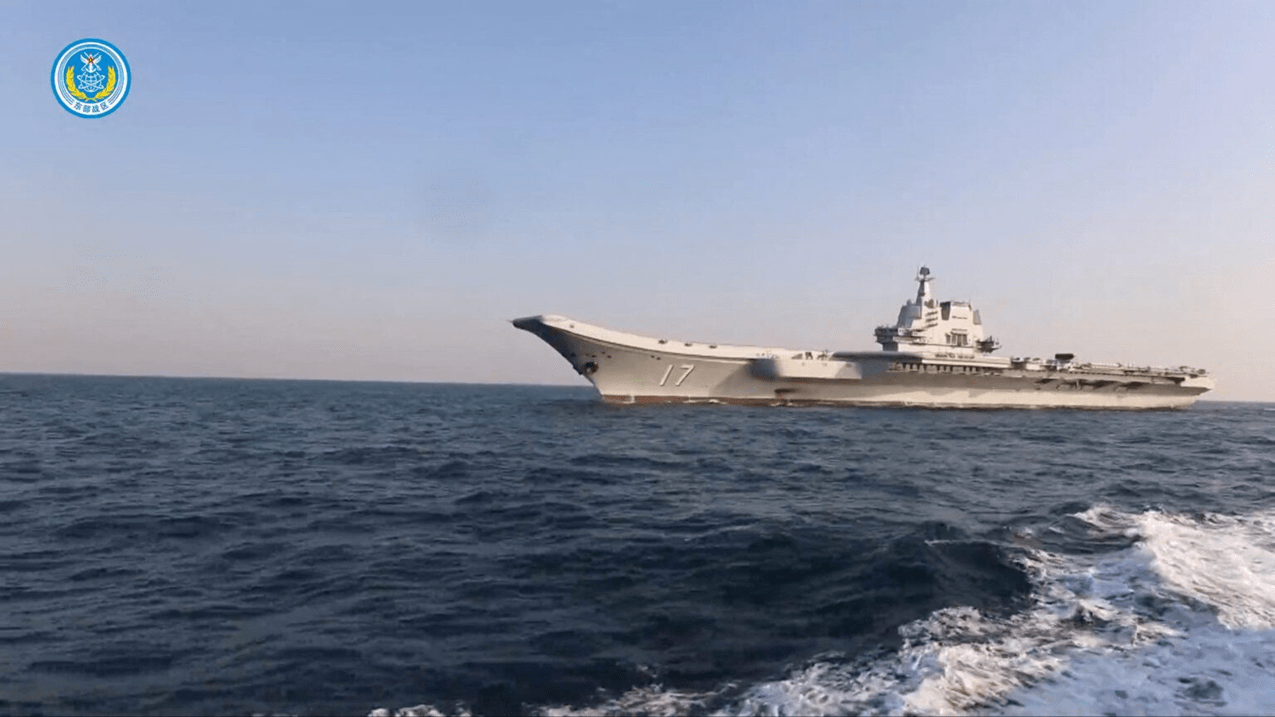
China is undertaking an unprecedented military buildup, developing a large and advanced arsenal of nuclear, conventional, cyber and space capabilities, said John Noh, performing the duties of assistant secretary of defense for Indo-Pacific security affairs, who testified today at a House Armed Services Committee hearing in Washington.
Continue reading “China’s Military Buildup Threatens Indo-Pacific Region Security”By Lieutenant Commander Brian Adornato, U.S. Navy Reserve
“The Navy emphatically acknowledges the need for a larger, more lethal force.”
“We cannot manifest a bigger traditional Navy in a few short years.”
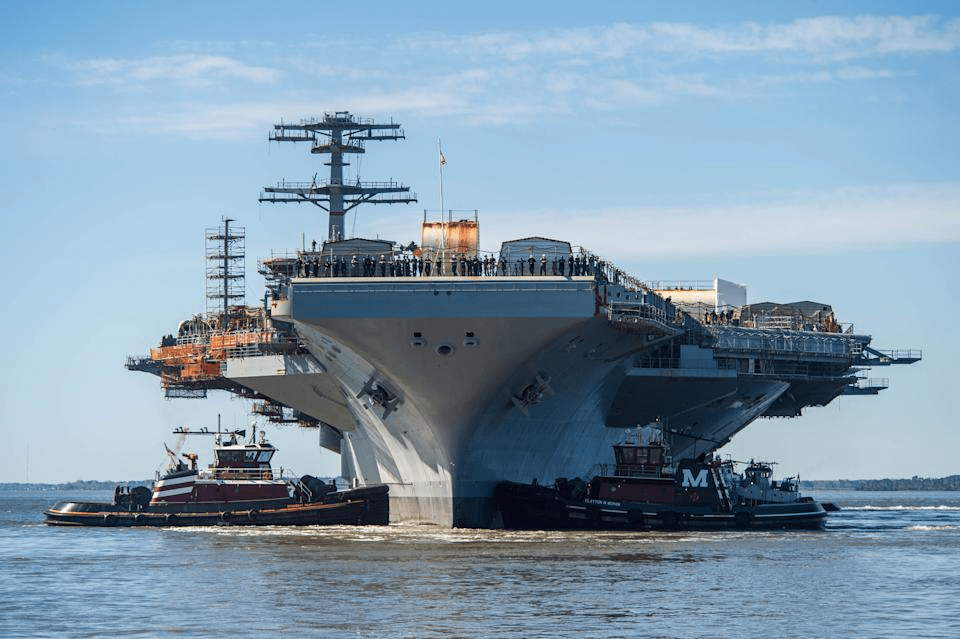
These two quotes from the Chief of Naval Operations’ (CNO’s) Navigation Plan 2024 (NavPlan 24) highlight an intractable problem for the U.S. Navy. The service does not have enough ships. It also has too little time to build more, considering Admiral Phil Davidson’s warning that 2027 will start a period of high risk for war with China—a timeline NavPlan 24 affirmed.
Continue reading ““Crash Fleet:” An Emergency Shipbuilding Program”- US shipbuilding problems are decades old and raising concerns about US Navy readiness.
- Officials, naval affairs experts, and politicians believe the primary issue revolves around workers.
- Wages, working conditions, and retention are top priorities.
The American shipbuilding industry is grappling with severe problems, none perhaps more crucial than the state of the workforce, naval affairs experts said this week.
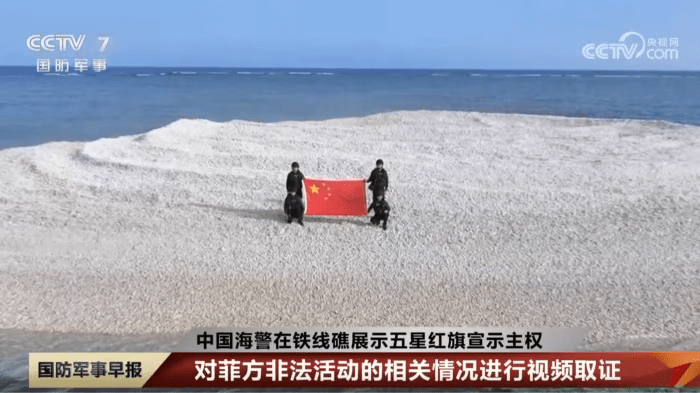
Continue reading “Fixing the US Navy’s shipbuilding problems starts with the workers, agency analysts say”If China invaded or even merely blockaded Taiwan, would President Donald Trump deploy the U.S. military to defend the island democracy?
Given his “America First” rhetoric and a foreign policy outlook often caricatured as isolationist, many assume the answer would be no. However, such assumptions misunderstand the strategic logic underlying his approach to Taiwan and the wider Indo-Pacific.
Continue reading “Would Donald Trump Save Taiwan from China?”By Lieutenant Colonel Thomas McCabe, U.S. Air Force Reserve (Ret.)
Before 1940, Pearl Harbor had been something of a forward base. This started to change as events drifted toward war with Japan. The United States began to build up its forces in the Philippines, then a U.S. dependency, and it implicitly made two assumptions. The first assumption was that if war came, it would primarily be in the western Pacific. Second, Hawaii was now a rear area and therefore secure. On 7 December 1941, the Japanese Navy showed these assumptions were wrong.
Could the United States be making a similar miscalculation today?
Continue reading “China Could Attack Pearl Harbor—and the West Coast”