Search

Station HYPO

Celebrating the Past, Present and Future of Navy Cryptology

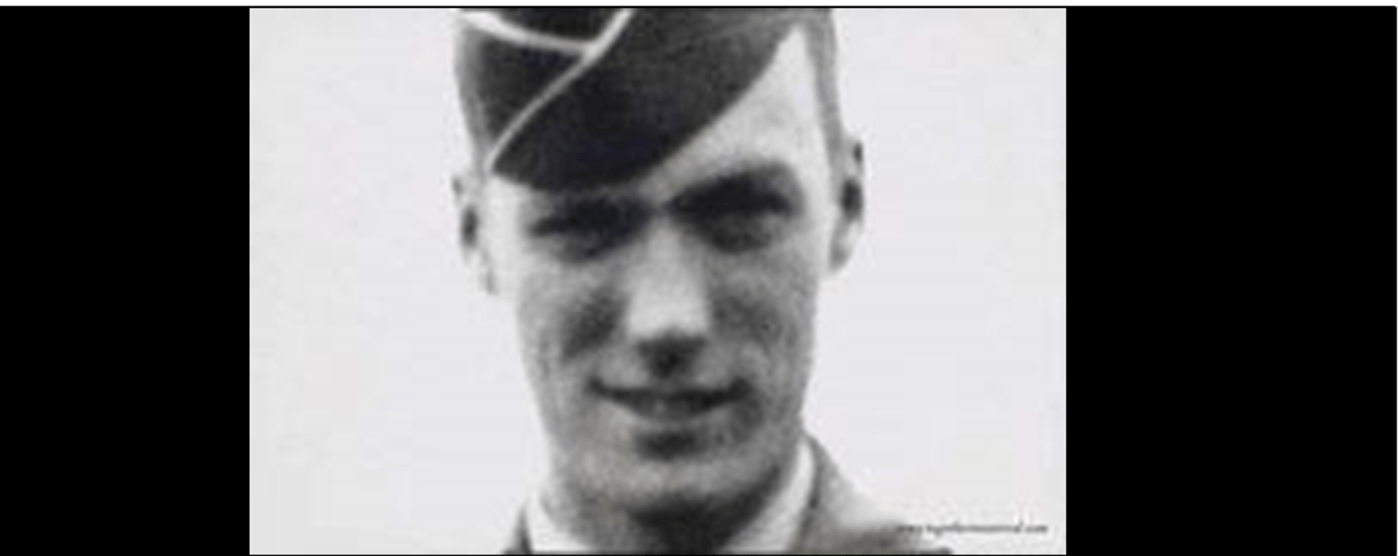
Honoring Clint Eastwood, USA

Clint Eastwood, May 31, 1930

Clint Eastwood was drafted into the Army in 1951 during the war in Korea and was sent to Ft. Ord in California for basic training. He lucked into a job as a swimming instructor and remained at Ft. Ord. He worked nights and weekends as a bouncer at the NCO club.

Continue reading “Honoring Clint Eastwood, USA”
Remembering ADR2 Louis Francis Balderman, USN, KIA, EC-121

ADR2 Louis F Balderman was born on May 29, 1943 to Mr. and Mrs. James Duffy Balderman of Philadelphia, PA.  Louis had two brothers and two sisters.  Before enlisting in the Navy, Louis worked at a machine shop. 

Continue reading “Remembering ADR2 Louis Francis Balderman, USN, KIA, EC-121”

What Happened to Station HYPO’s Content?

Over the past few months, many of you have reached out, wondering what became of the content once available on Station HYPO. Since launching in 2015, Station HYPO has shared nearly 2,500 posts—most focused on cryptologic history—and has become a valued resource for researchers, historians, and institutions such as the U.S. Naval Academy and several museums.

Continue reading “What Happened to Station HYPO’s Content?”

The Last Flight of the EA-6B (Prowler)

The last Navy deployment was on George H.W. Bush in November 2014, with VAQ-134. The last Navy operational flight took place on 27 May 2015.  Electronic Attack Wing, U.S. Pacific Fleet (CVWP), hosted a retirement commemoration for the EA-6B from 25 to 27 June 2015 at NAS Whidbey Island.

Continue reading “The Last Flight of the EA-6B (Prowler)”

Memorial Day

Listed below are Information Warfare Community, VQ-1 and VQ-2 members who gave the ultimate sacrifice.  This is not comprehensive list. 

Continue reading “Memorial Day”

How far back does organized intercept go?

In 1324, in the reign of Edward II, pictured, writs of de scrutiniofaciendo (on making an examination) were sent to the southern counties of England to remind harbormasters that they were to examine all suspect correspondence and forward it to the king. The officials were told that previous such writs had not been enforced, thus allowing letters prejudicial to the crown to get into the kingdom.

Continue reading “How far back does organized intercept go?”

Website Powered by WordPress.com.

Up ↑