
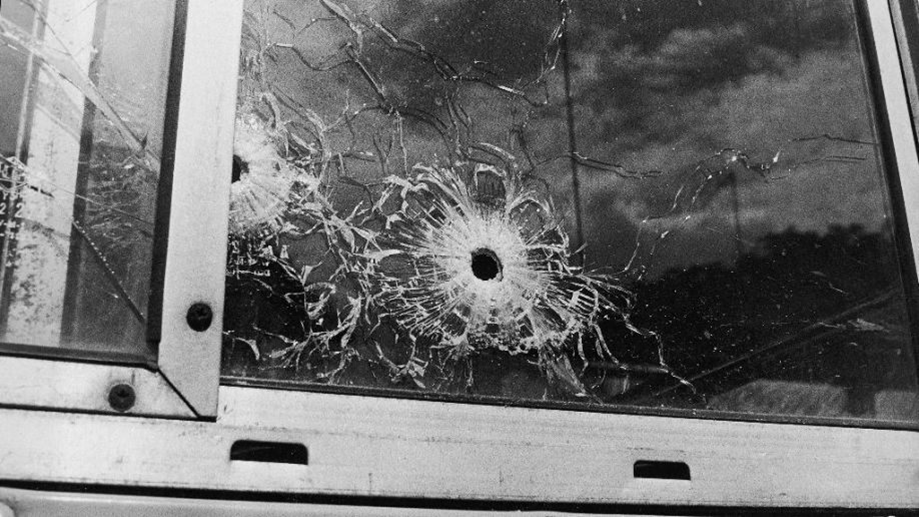
On December 3, 1979, a tragic attack occurred at the Naval Ground Surveillance Aviation (NGSA) Sabana Seca facility in Puerto Rico, leaving a lasting impact on the United States Navy and the local community. This article aims to recount the events of that fateful day, honor the victims, and shed light on the consequences and aftermath of the attack.
Continue reading “Remembering the Attack on NGSA Sabana Seca, Puerto Rico December 3, 1979”
The Pentagon’s leader for industrial policy says the acquisition regulation overhaul will create openings for artificial intelligence-enabled service models and drive a move away from traditional contracts.
Continue reading “DOD’s move to ‘wartime footing’ demands new contracting models”
The internet is carried by around 500 fiber-optic undersea cables that are vulnerable to damage from natural disasters and man-made threats.
National actors, such as Russia, China, and the US, have the ability to attack the cables, which could cause massive disruptions to the global internet and weaken transportation grids.
Continue reading “The Underwater Cables That Carry the Internet Are in Trouble”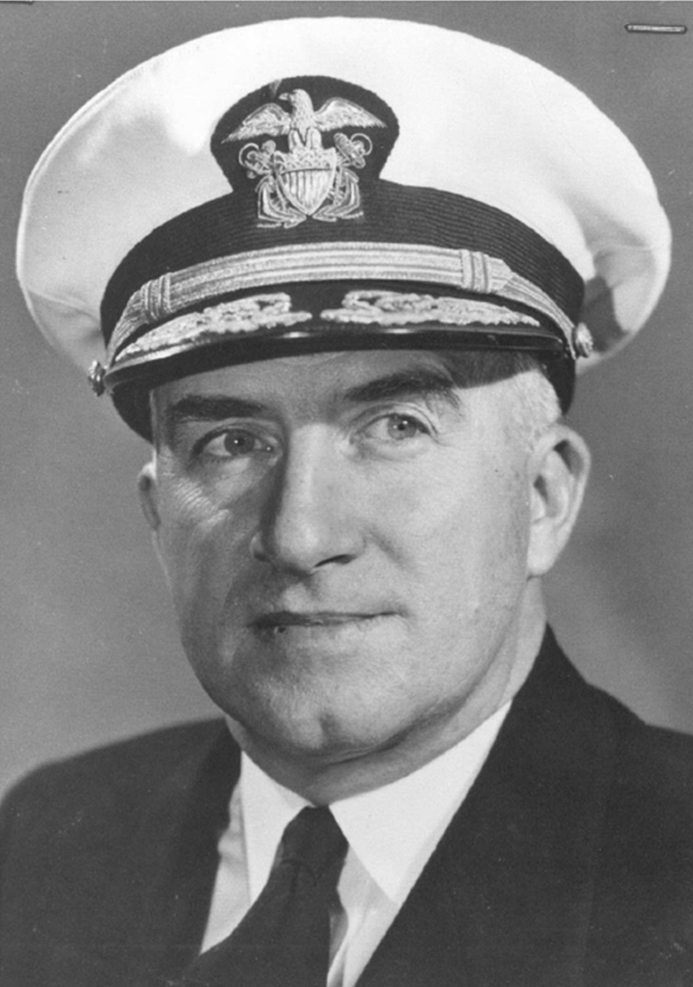
Rear Admiral Earl Everett Stone
United States Navy
1895 – 1989

China warned on Wednesday it would “crush” any foreign attempts to interfere over Taiwan, after Japan announced plans to deploy missiles on an island near democratically-governed Taiwan.
Continue reading “China Warns It Will ‘Crush’ Foreign Efforts To Interfere Over Taiwan”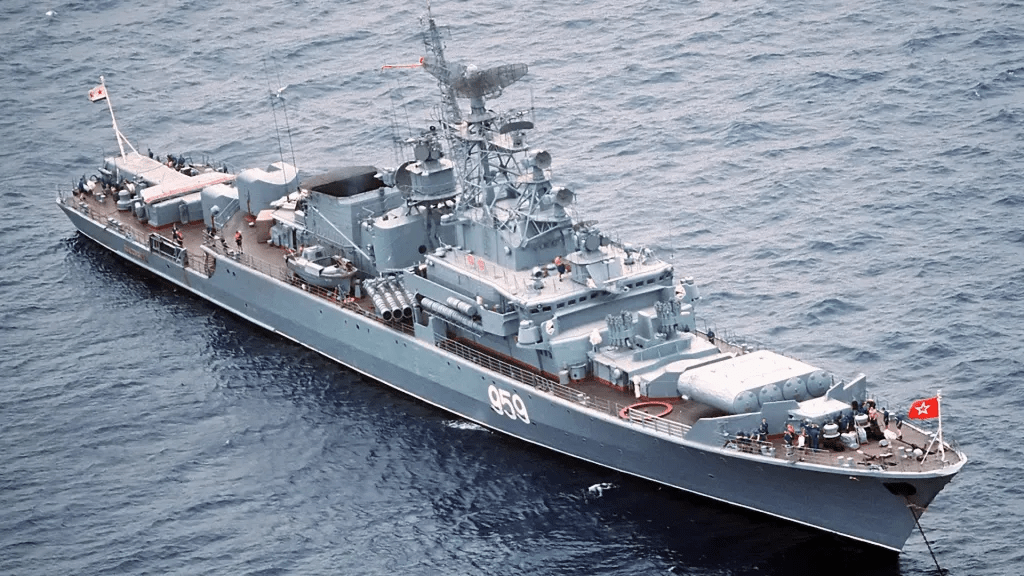
The mutiny aboard a Soviet warship in November 1975 led to a chase across the Baltic Sea, involving everything the Soviets had available.
Naval mutinies have long captured the public imagination, but, for the most part, open rebellions on the high seas are consigned to the Age of Exploration, in centuries past. One notable exception occurred in the Soviet Navy 50 years ago this month and, based on available evidence, almost led to the use of nuclear weapons. The mutiny aboard the frigate Storozhevoy is all the more remarkable for the fact that the Kremlin attempted to cover up its existence, with details only emerging in public a decade after its bloody end.

