
Background:
Corregidor is an island in the entrance of the Philippines’ Manila Bay. Due to its position in the bay, it has served as a vital defense structure to Naval actions against the capital city of Manila. During World War II, Corregidor was the site of several battles and its fall to the Japanese forces was instrumental in the subsequent capture of the Philippines and the retreat of the U.S in the early stages of the war.
31 October 2010: The U.S. Cyber Command attained full operational capability at Ft. Meade, Maryland.
Continue reading “U.S. Cyber Command at Ft. Meade”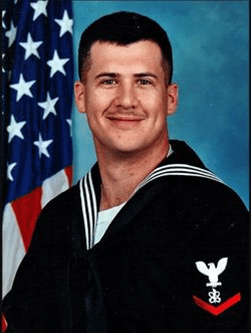
EW3 Ronald Scott Owens
October 31, 1975 – October 12, 2000
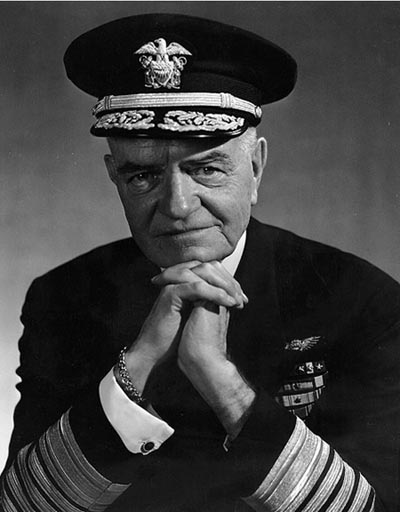
William Frederick Halsey, Jr.
30 October 1882 – 16 August 1959

Millennials and Gen Zs may not fully appreciate the remarkable quality of frequency modulation (FM) radio, largely because today’s world offers countless ways to stream music, podcasts, and digital content. Yet, FM radio was once a revolutionary breakthrough—delivering vastly superior sound quality compared to amplitude modulation (AM) broadcasts. What follows is the bittersweet story of FM’s invention and the brilliant mind behind it.
Continue reading “FM Radio”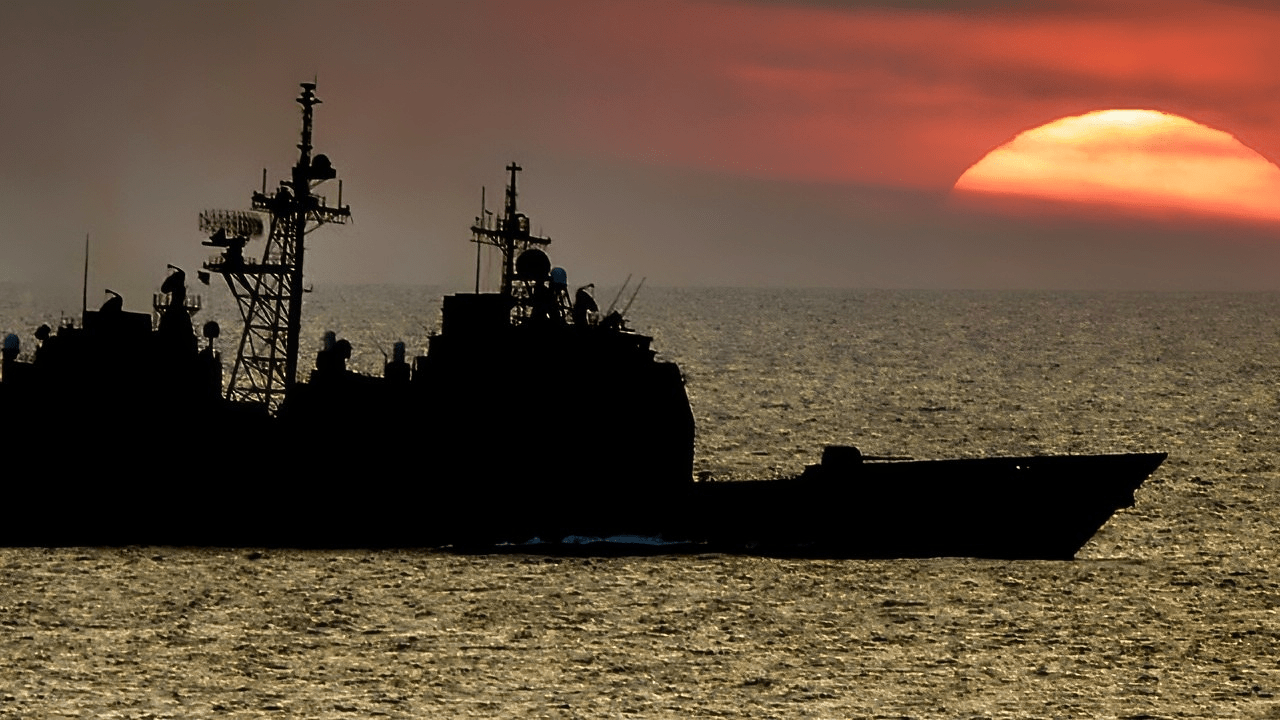
Key Points and Summary – The U.S. Navy’s ambitious Cruiser Modernization Program for its aging Ticonderoga-class ships was a high-profile failure.
-A damning GAO report revealed the Navy wasted $1.84 billion modernizing four cruisers that were ultimately divested before ever deploying.
-The program was plagued by soaring costs (over $500 million per ship), poor contractor performance, and the extreme technical difficulty of integrating modern systems onto 1980s-era hulls.
-The Navy ultimately concluded it was no longer cost-effective, canceling the program in favor of the new DDG(X) destroyer.
Continue reading “The U.S. Navy’s Big Ticonderoga-Class Mistake Still Stings” Station HYPO