
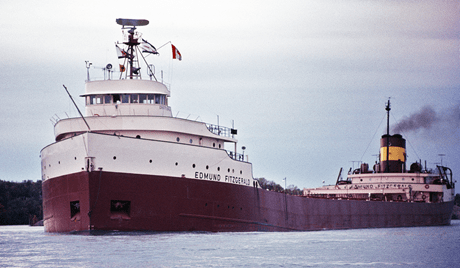
On November 9, 1975, the SS Edmund Fitzgerald departed Superior, Wisconsin, at 2:15 p.m. carrying 26,116 tons of taconite pellets bound for Detroit, Michigan. Commanded by Captain Ernest M. McSorley, the 729-foot freighter soon met the Arthur M. Anderson, captained by Jesse B. Cooper, as it left Two Harbors, Minnesota. With a fierce storm forecast to sweep across Lake Superior, both captains chose to travel north of the usual shipping lanes—a common precaution in rough weather.
Continue reading “Thousands Expected for 50th Anniversary Memorial of the Edmund Fitzgerald”
Most Marines had never seen combat when Peter Ortiz joined the Corps in June 1942. However, he had already survived five years in the French Foreign Legion and fought in Africa, faced the Nazis in France, spent 15 months as a prisoner of war, and escaped occupied Europe to get back into the fight.
Continue reading “The U.S. Marine Who Forced Nazi Officers to Toast FDR at Gunpoint — and Became the Most Decorated OSS Operative”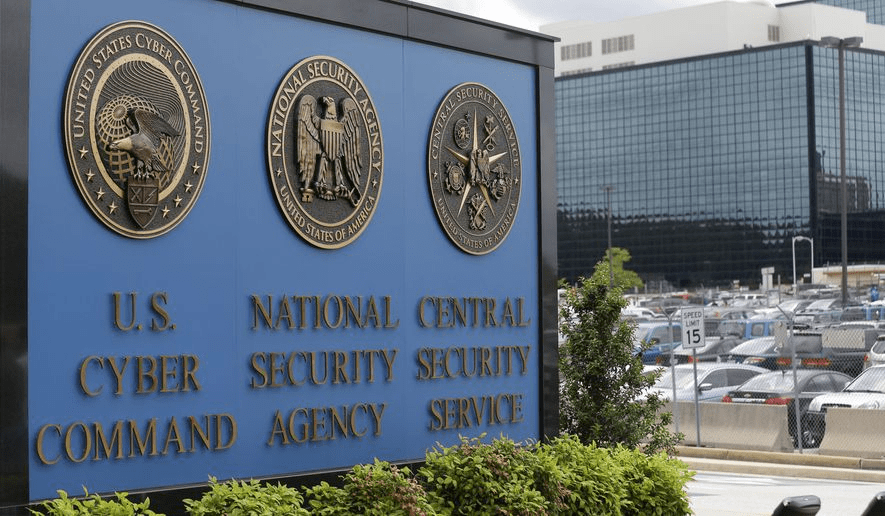
The Department of Defense is revising its cyber force generation model to give U.S. Cyber Command more control over recruitment and training as the Pentagon works to counter China in the cyber domain.
Continue reading “Pentagon revises cyber force generation model to increase lethality”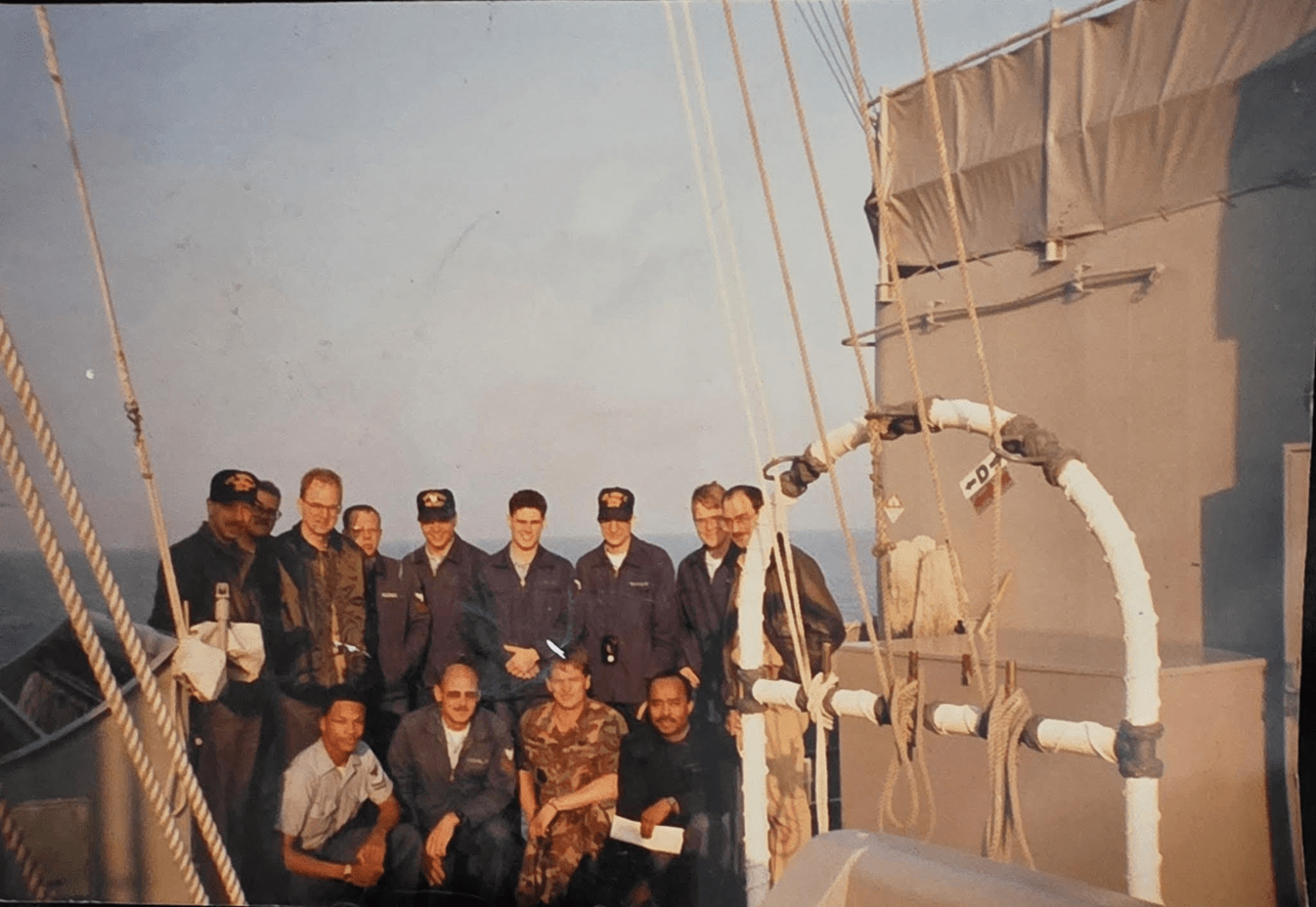
It was 1988, and the Harry E. Yarnell was cutting through Pacific waters under a fading sun. The air was heavy with salt and static, the hum of the ship blending with the quiet rhythm of a crew that knew their jobs cold.
Continue reading “Quiet Professionals of a WestPac Deployment, by Anthony Still”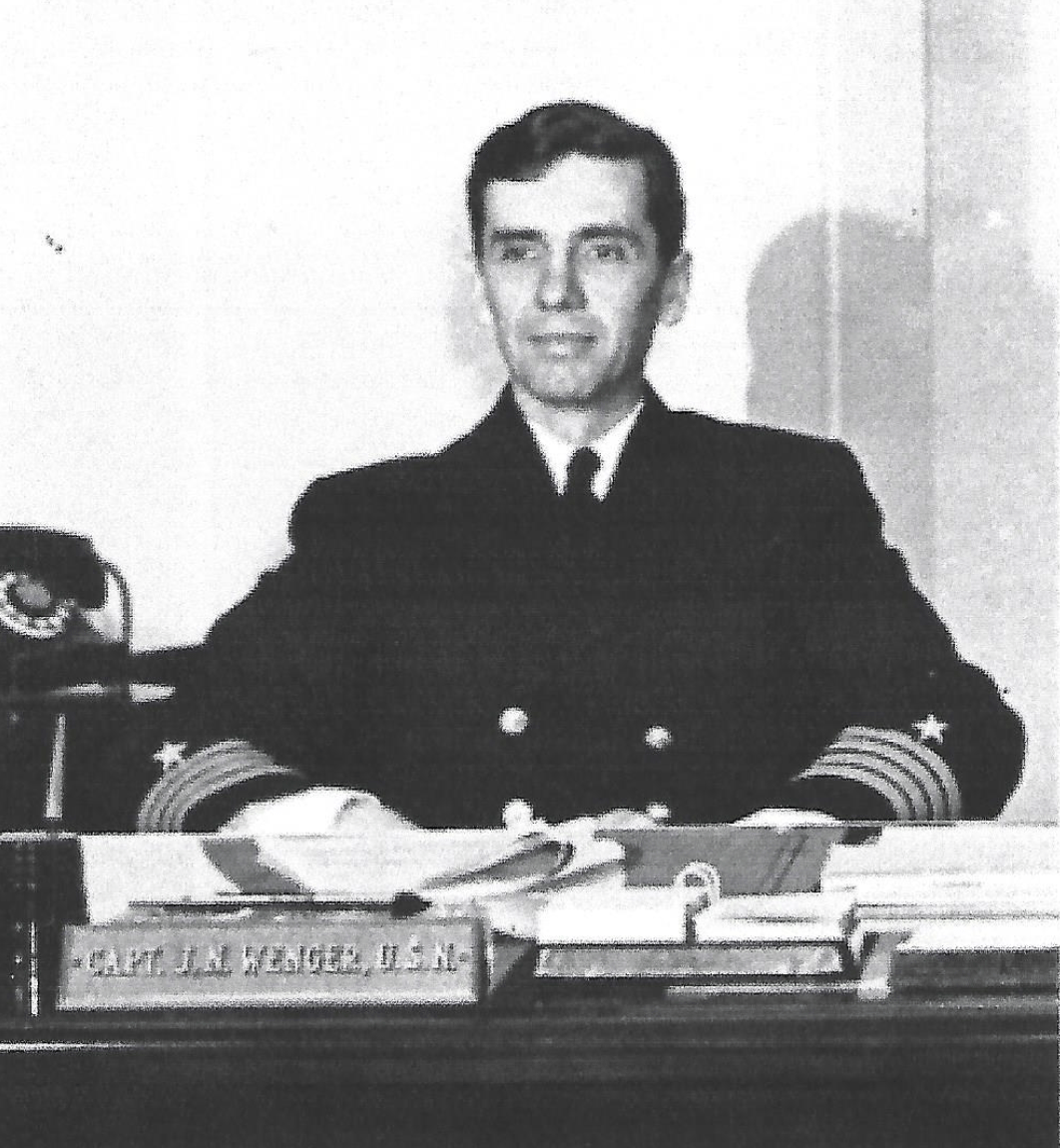
On November 6 1944, Captain Joseph Wenger became head of OP-20-G. Rear Admiral Joseph N. Wenger played a leading role in the development of both the Naval Security Group Command and the National Security Agency, and was one of the most influential figures in American cryptologic history.
Continue reading “November 6, 1944: Captain Joseph Wenger became head of OP-20-G.”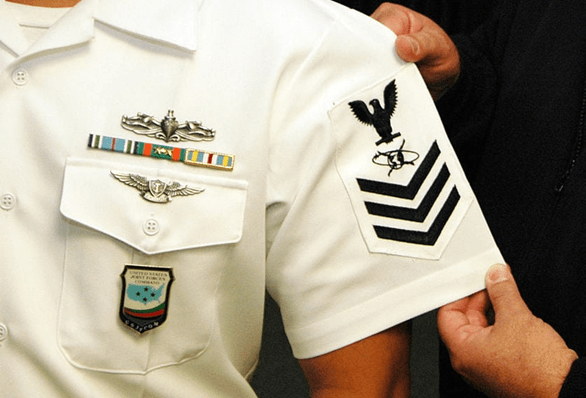
U.S. Navy enlisted personnel—unlike those in the other services—wear their jobs on their sleeves. A Marine machine-gunner wears similar collar rank as the rest of his fire team; unless you ask him, or see his military occupation in his file, one could never know his job specifics just by looking at his uniform.
Continue reading “A Brief List of Old, Obscure and Obsolete U.S. Navy Jobs” Station HYPO