
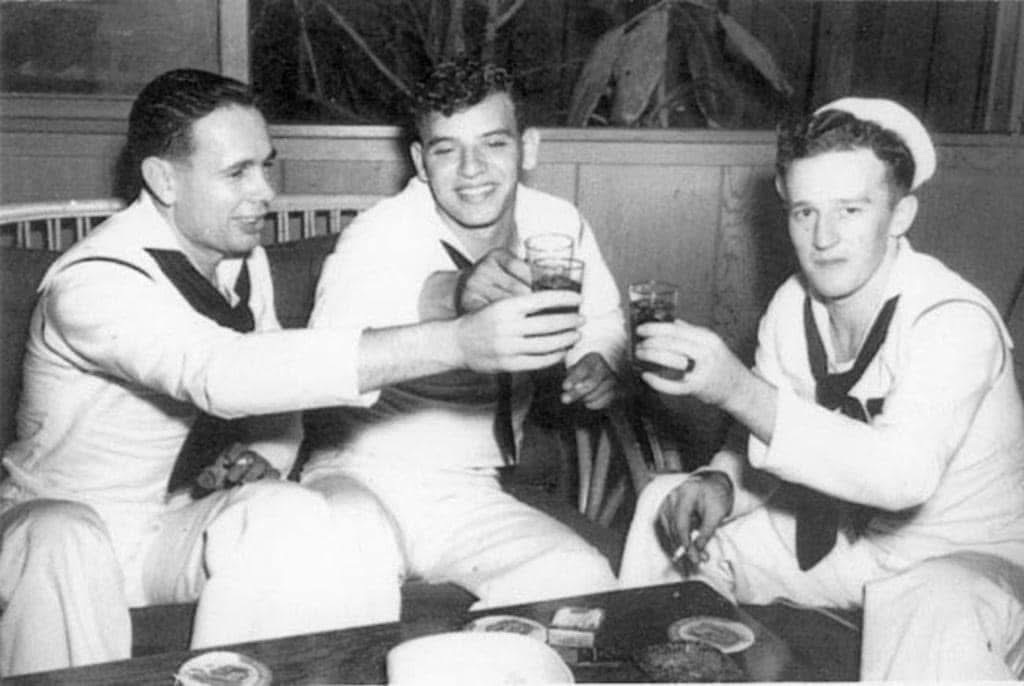
On December 6, 1941, three sailors were photographed while having a drink at a bar in Pearl Harbor. Clifford Olds (right), was on board USS West Virginia when it was sunk during the Japanese attack the next morning. When salvage workers found his remains in a compartment several months later, a marked calendar revealed that he and two other shipmates had lived for 16 days trapped within the ship.
Source: USNI
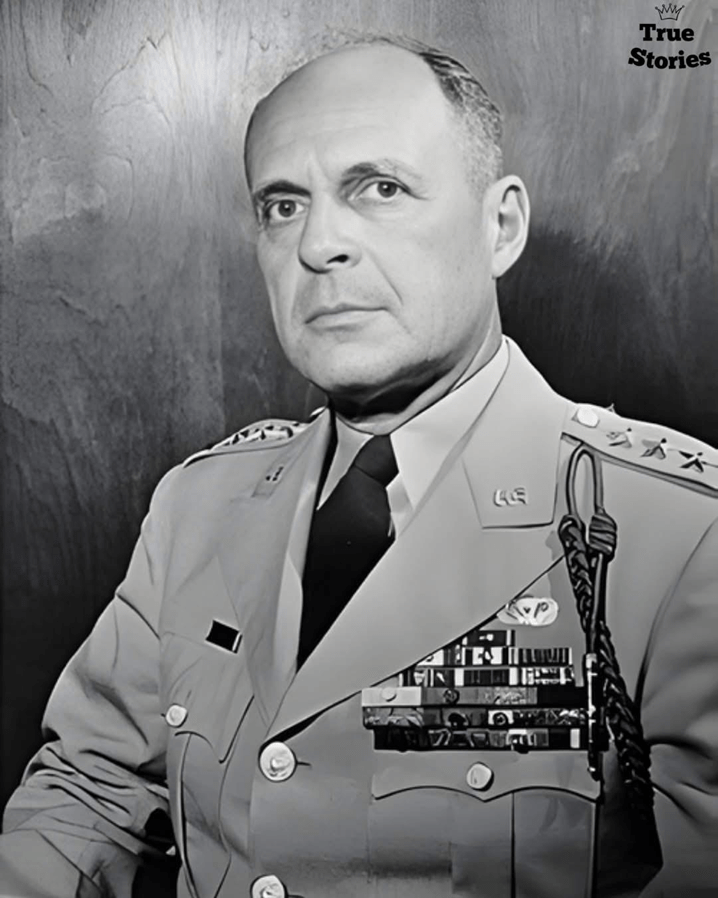
Matthew B. Ridgway stepped into a freezing Korean command bunker in January 1951, looked at a wall map covered in retreat arrows, and made a decision that stunned every officer in the room. The United Nations forces were outnumbered, outmaneuvered, and collapsing, yet Ridgway calmly said the collapse would end tonight. Then he clipped a grenade to his chest harness and walked toward the front.
Continue reading ““No Sailor’s life is expendable. No mission justifies waste.””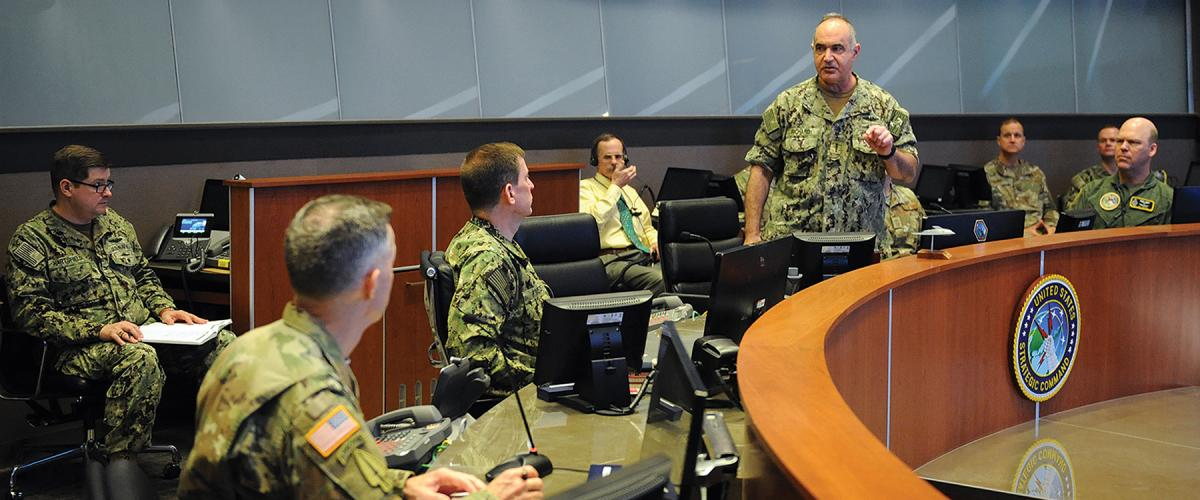
By Admiral Charles Richard, U.S. Navy (Retired)
“Man Battle Stations! Dong Dong
Dong Dong! Man Battle Stations!”
Everyone who has served on board a ship, submarine, or squadron can remember being jolted out of the rack by that announcement, knowing almost instinctively what to do. For most, that knowledge never leaves. More than 20 years later, I am still pretty confident I could execute the Battle-stations Firing Point Litany in Control on board a submarine, at least as it was at the time, from any watch station in the room. I don’t think I’m unusual.
Continue reading “How Do You Know You Are Ready for Battle?”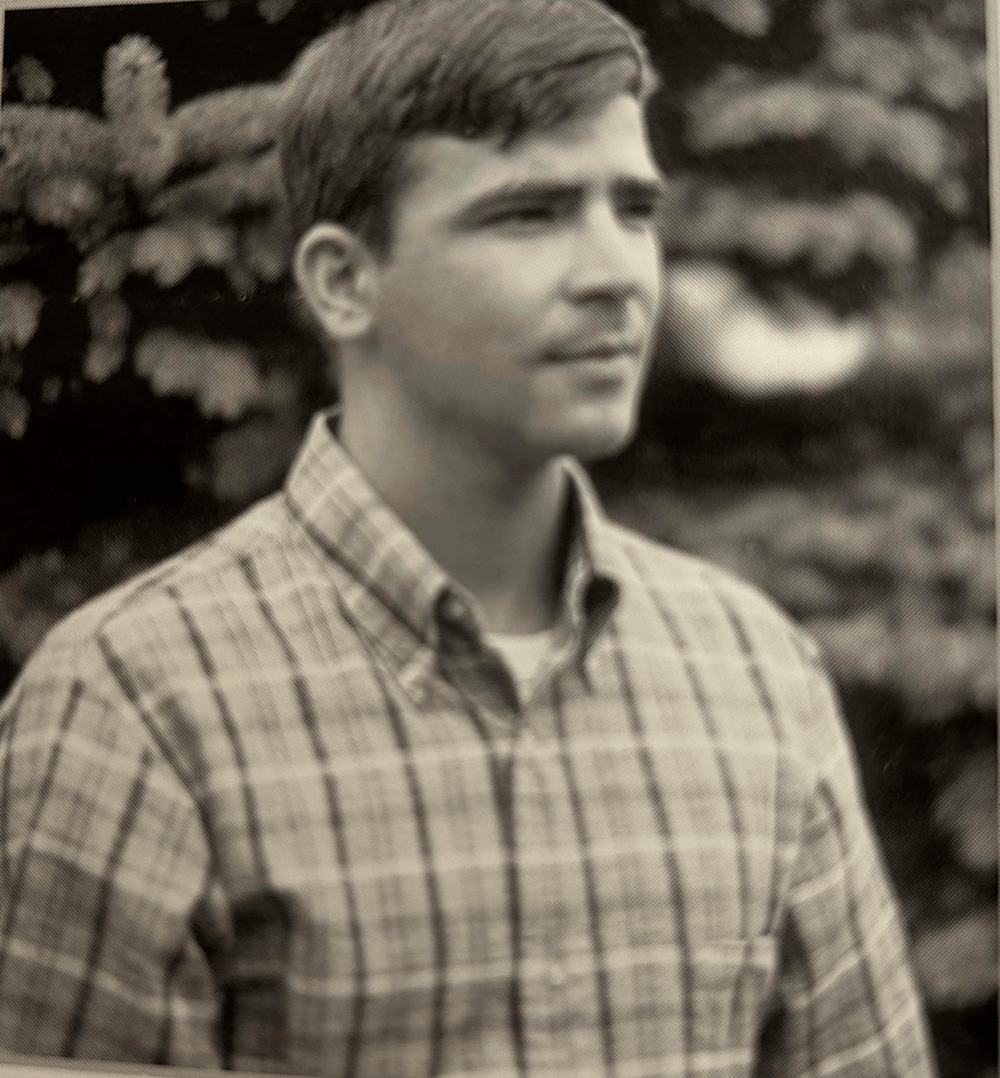
At five feet six inches tall, Harry Iredale was one of the shortest members of the Pueblo crew and acutely self-conscious about it. What he jokingly referred to as his “vertical deficiency” had made him the target of teasing for much of his life. The son of a pipe fitter, he was raised in a loving but, in his view, overly protective blue-collar family near Philadelphia. Determined to prove himself, Iredale poured his energy into academics, earning straight A’s in high school—except for a single B. He was also passionate about sports, especially basketball, football, and volleyball. Teammates called him “Half Pint,” but despite his stature, he was fiercely competitive.
Continue reading “USS Pueblo: Iredale, The Oceanographer Early 1968, Part 2 of 19”
Sailors from Naval Information Forces (NAVIFOR) and Fleet Cyber Command’s (FCC) First Class Petty Officer Association (FCPOA) are helping to make the holidays a little brighter this year by collecting toys for children in need through the Toys for Tots program.
Continue reading “Suffolk Sailors Bring Holiday Cheer with Toys for Tots”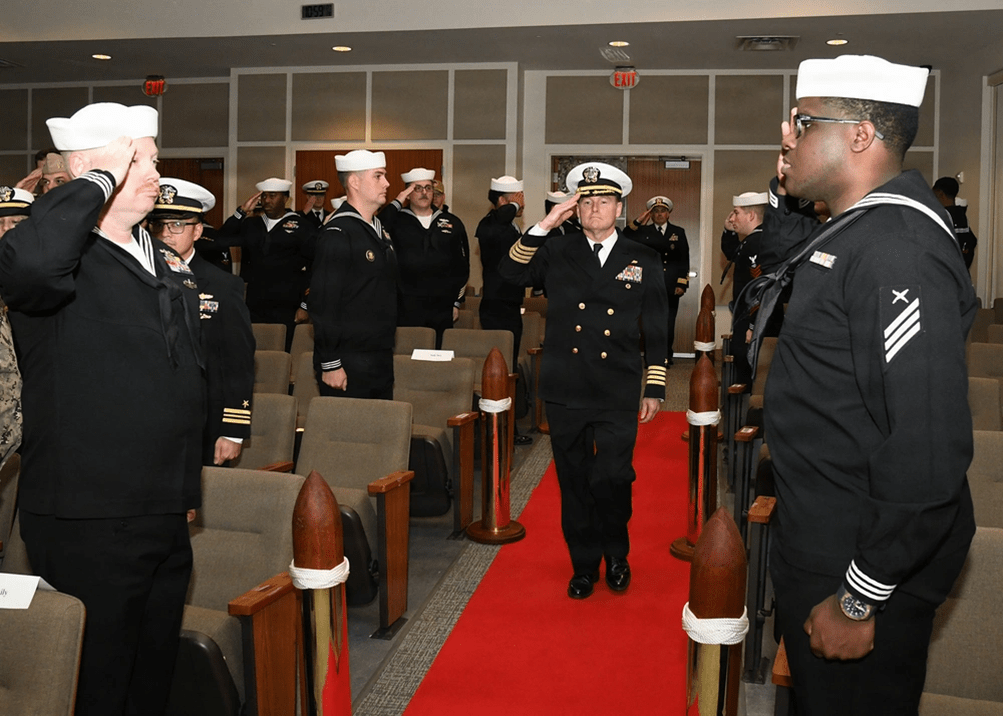
NORFOLK, Va. – Information Warfare Squadron (IWRON) Two, a first-of-its-kind unit designed to operationalize Information Warfare (IW) capabilities and provide decisive decision advantage to Carrier Strike Group Commanders, was established, Dec. 5.
Continue reading “A Paradigm Shift: Navy Establishes First Information Warfare Squadron (Big News)” Station HYPO