
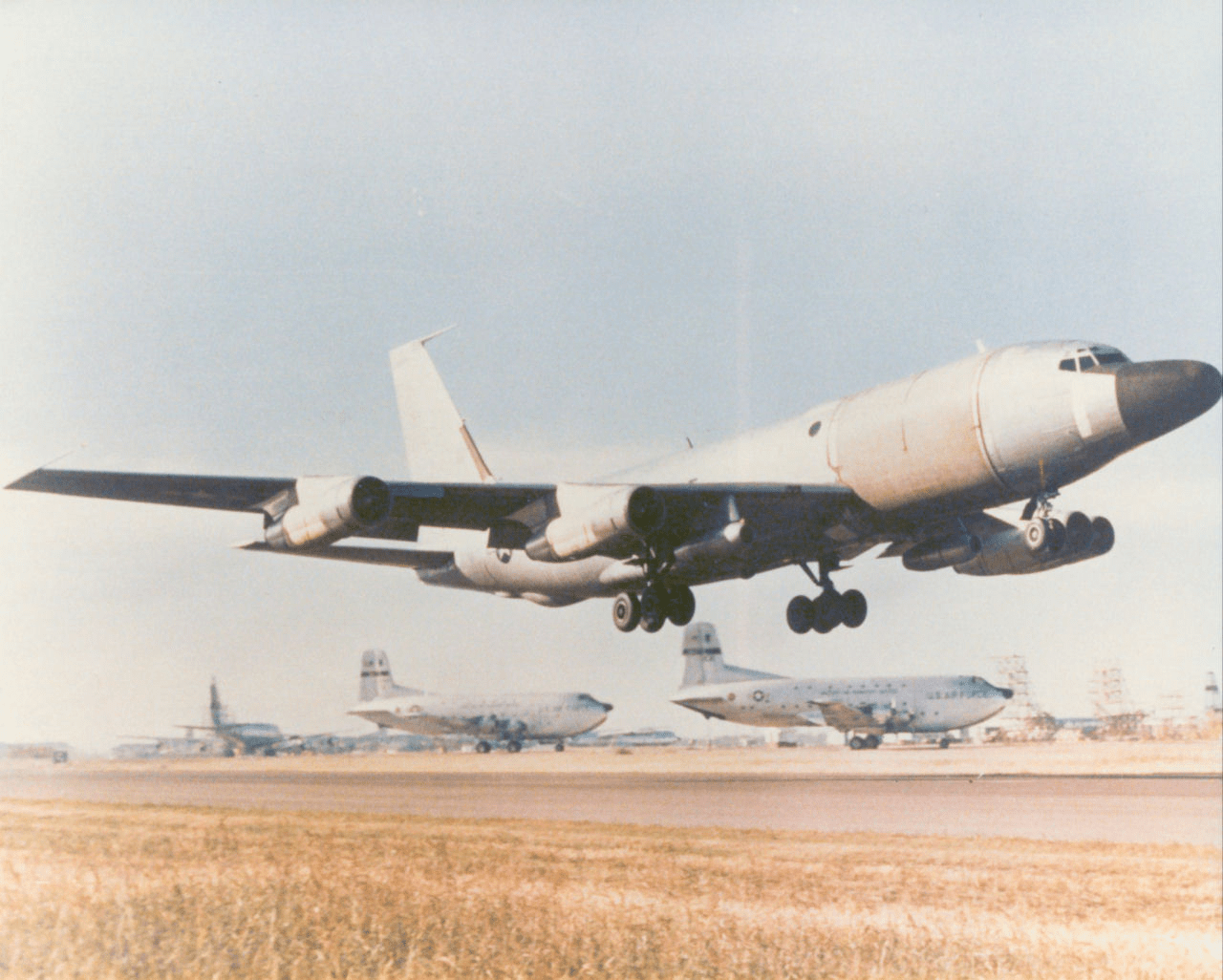
Rivet Amber was a one-of-a-kind RC-135 reconnaissance aircraft outfitted with highly specialized intelligence-collection equipment. On June 5, 1969, the aircraft disappeared over the Bering Sea with all 19 aircrew members aboard.
Continue reading “Remembering RC-135E (Rivet Amber), June 5, 1969”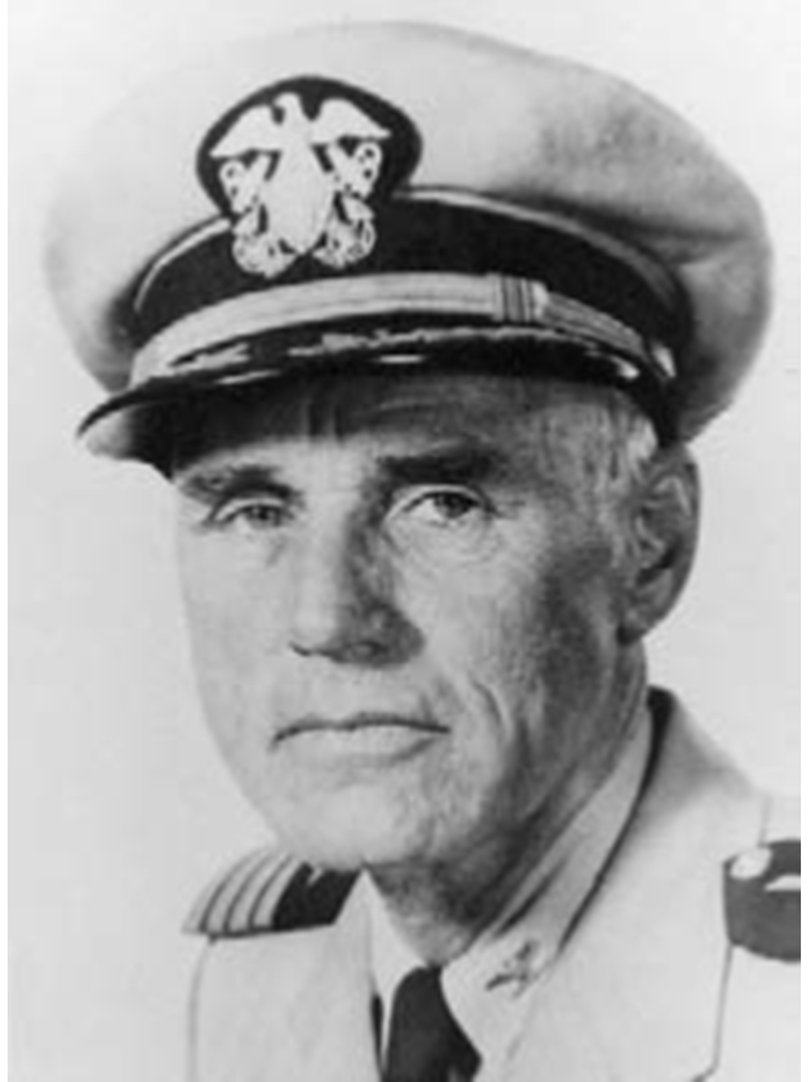
CAPT Prescott Hunt Currier
June 4, 1912 – January 12, 1995
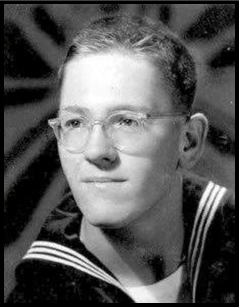
AT1 Stephen Curtis Chartier, USN
June 3, 1944 – April 15, 1969
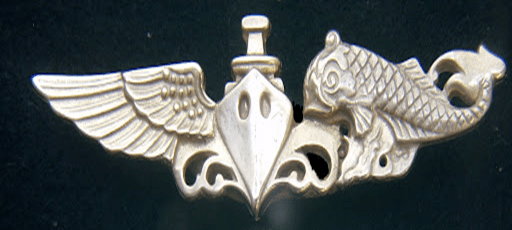
“Spooks-At-Sea”
By: CAPT Harvey S “Scotty” Parrish, Jr. (Ret.)
In 2005, the Naval Security Group (NAVSECGRU) became part of a General Service command, marking the integration exactly fifty years after the initial assignment of a NAVSECGRU detachment to a fleet command. The process leading to this integration took an indirect route during the years 1954-56. As experience was acquired, it became evident that this integration should have occurred earlier and through direct action. This evolution took place in the Mediterranean rather than the Pacific area, which had a history of direct support detachments temporary additional duty (TEMADD) to fleet commanders, particularly during World War II.
Continue reading “Origin of Permanent Cryptologic Direct Support Units”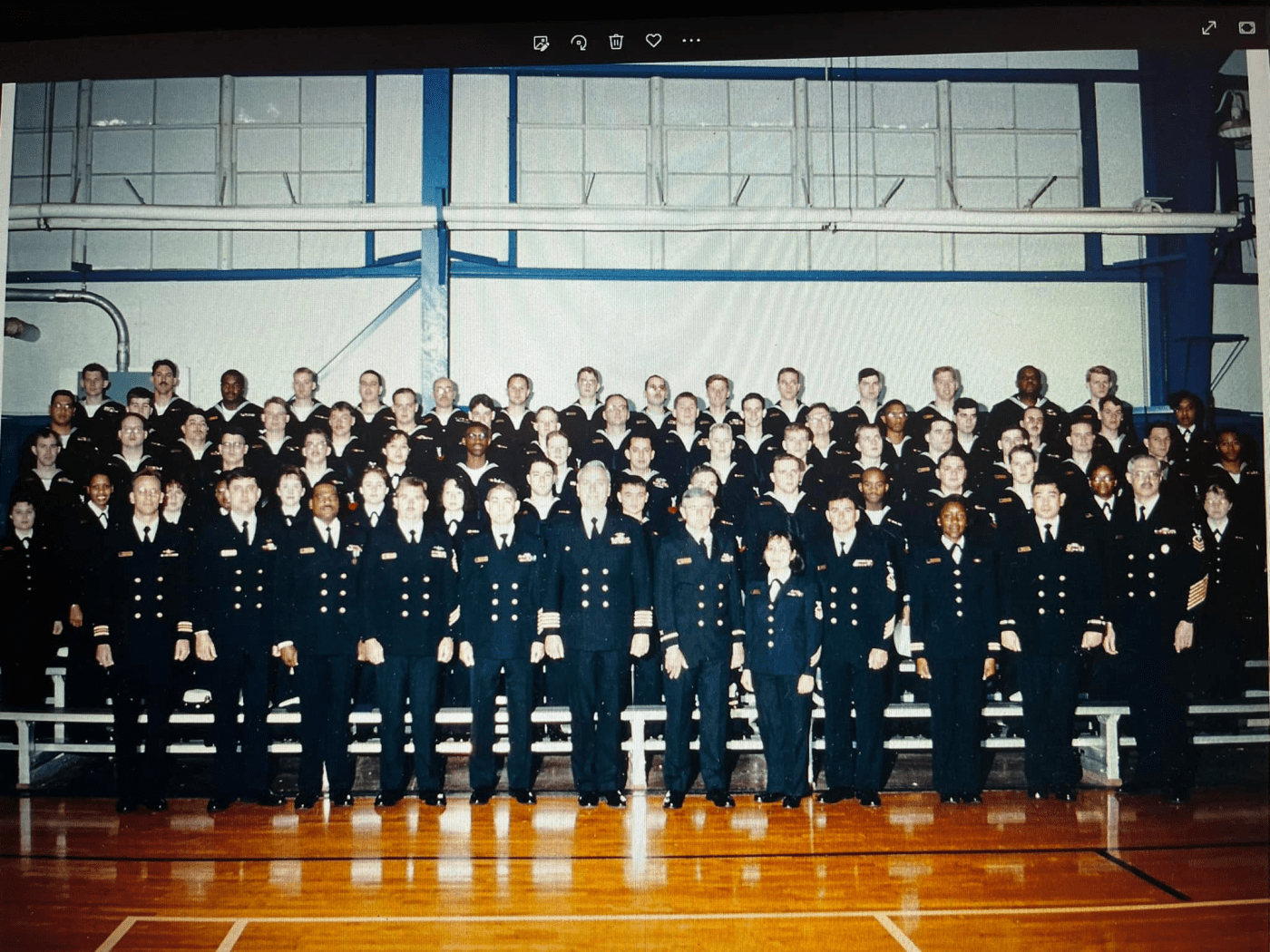
Officers and Sailors in the picture are listed at the bottom of this post.
By the end of 1950, it was apparent that expansion of the facilities at Yokosuka was no longer possible. With project growth of NAVSECGRU operations envisioned, sites were surveyed, and the optimal choice was a site near the Atsugi Naval Air Station. Land was acquired under Procurement Demand JPNR 5307, dated March 15, 1951. The location of the site was to the north of a village named Seya. The new site came to be known as Kami Seya.
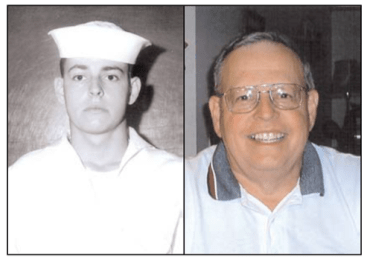
CTI2 Conrad Hoffman was in the first communications technician (CT) class to graduate Naval Communications Training Center, Corry Field, Pensacola.
Continue reading “Honoring Conrad R. Hoffman, CTI2, USN” Station HYPO