
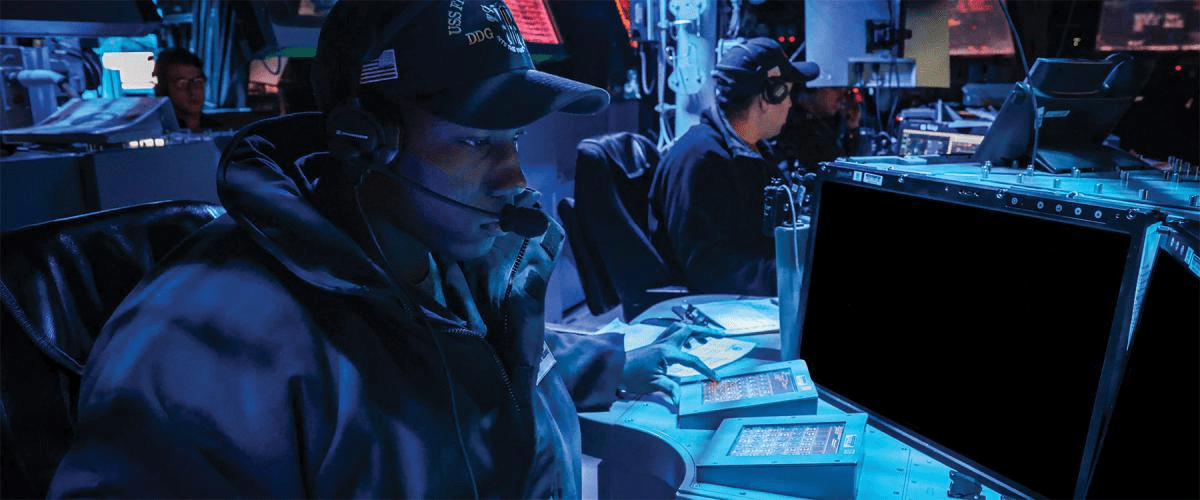
The Navy’s center of gravity is evolving toward the information domain—not because it replaces ships or aircraft, but because it has become the decisive enabler of lethality, survivability, and decision advantage at sea.
Continue reading “Congratulations to ENS Kevin H. Nguyen, Cryptologic Warfare Officer, Winner of U.S. Naval Academy Class of 2026 Capstone Essay Contest – Category: Information Warfare”
Imaging and Signals Intelligence Space Systems
The major effort within the US satellite reconnaissance program in the 1960s and 1970s featured overhead visual imaging systems, which produced information not obtainable any other way. (CORONA, GAMBIT, and HEXAGON, the early filmbased satellite systems, have already been well documented.) But there were important intelligence questions that could not be answered with pictures alone. The first question involved determining the location and characteristics of Soviet radars that could detect American strategic bombers. The second involved the performance capabilities of Soviet missiles—ICBMs and ABM systems. These two problems led the list of reasons favoring SIGINT satellites that could listen to and record the signals of Soviet radars, radio communications, and telemetry systems.
Continue reading “Early History of the National Reconnaissance Office (4 of 5)”
Mission Requirements
Considering the prospect of a nuclear war with the Soviet Union, United States leaders in the 1950s had to know two things. First, what were the Soviets doing in their strategic missile programs? They had already demonstrated a nuclear capability with an atomic detonation in 1949 and a fusion-weapon test in 1953. Could they launch a nuclear weapon on a rocket over intercontinental distances? Second, how effective might Soviet defenses prove to be against US forces? Could the Soviets detect and shoot down US long-range bombers? And could the Soviets counter the developing US missile capability?
Continue reading “Early History of the National Reconnaissance Office (3 of 5)”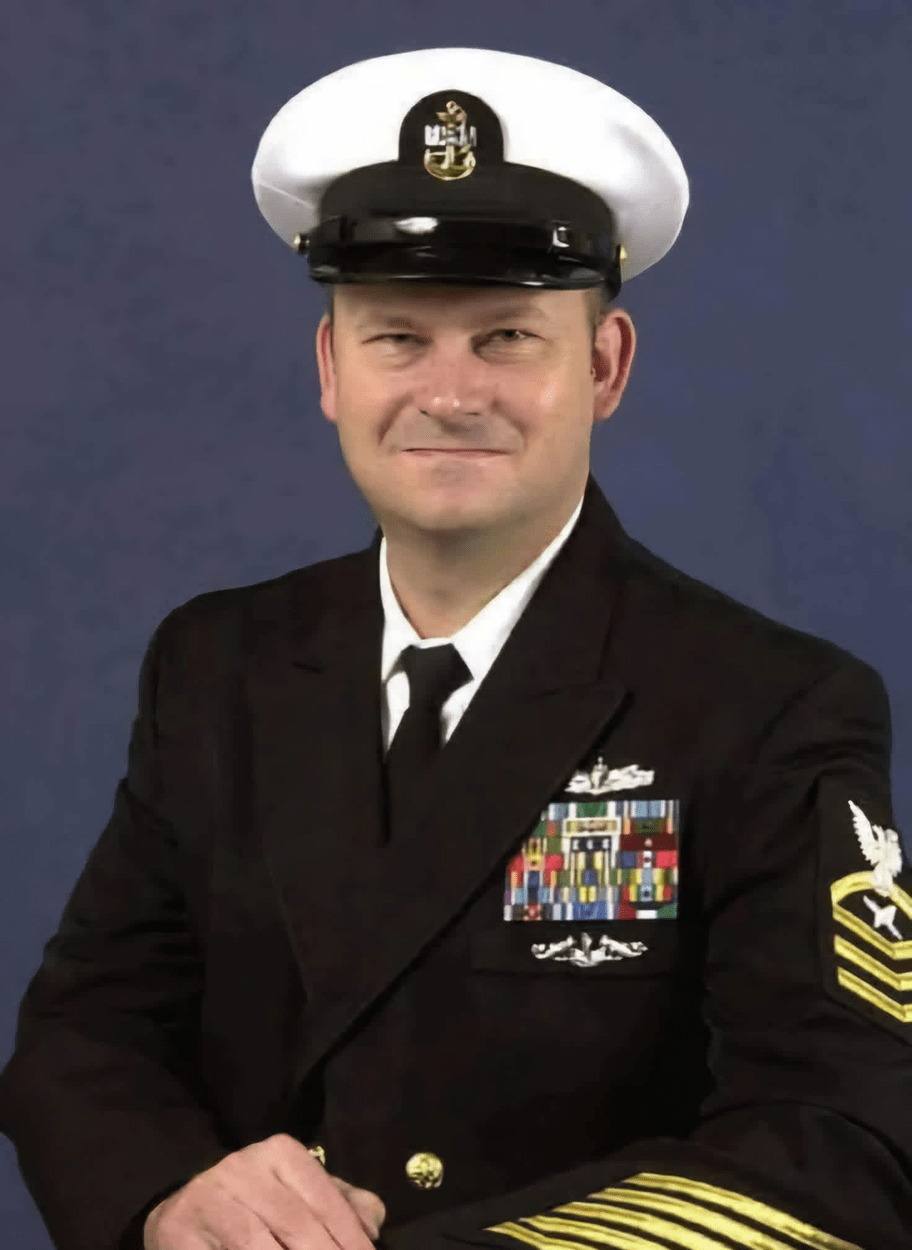
.
Chief Towner entered the U.S. Navy Delayed Entry Program during his junior year of high school and subsequently enlisted on 18 June 1984 following graduation from Flagler Palm Coast High School in Palm Coast, Florida. Following recruit Training at RTC Orlando, Florida he reported to Naval Technical Training Center Corry Station Pensacola, Florida, for CTR/T A-school.
Continue reading “Honoring CTRC(SW/SS) Kirk R. Towner, USN (Ret)”
Early History
During World War II, lookouts aboard surfaced German submarines used handheld crystal-video radar receivers called ATHOS to detect pulses emitted by search radars on Allied warships and aircraft This type of receiver consisted of a tuning coil and capacitor to select the approximate radio frequency to be received; a crystal diode, usually of silicon, that acted as a one-way gate, or rectifier, and produced an audible sound; and a simple amplifier that broadcast the “detected” sounds over a headset or loudspeaker. After the war, this same technology was adopted and applied in the direction-finding systems of American warships and airplanes because of its simplicity, small size, and “wideopen” frequency-detection characteristics.
Continue reading “Early History of the National Reconnaissance Office (2 of 5)”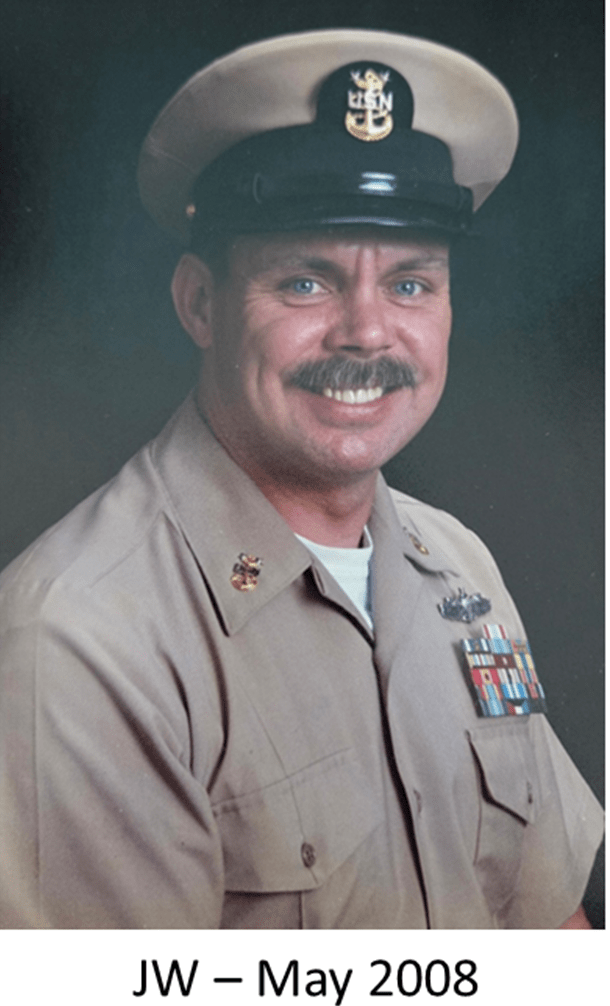
Master Chief Smith entered the Navy’s Delayed Entry Program during his junior year of high school and subsequently enlisted on 5 Jun 1984 following graduation from Mingus Union High School in Cottonwood, Arizona. Following basic training at RTC Orlando, FL, he reported to NTTC Corry Station, for Basic CTR A-school.
Continue reading “Honoring CTRCM(SW) John W. “JW” Smith, Jr, USN, (Ret)”
