
Message follows:
Continue reading “2025 ASSOCIATION OF OLD CROWS OUTSTANDING NAVY UNIT AWARD WINNERS”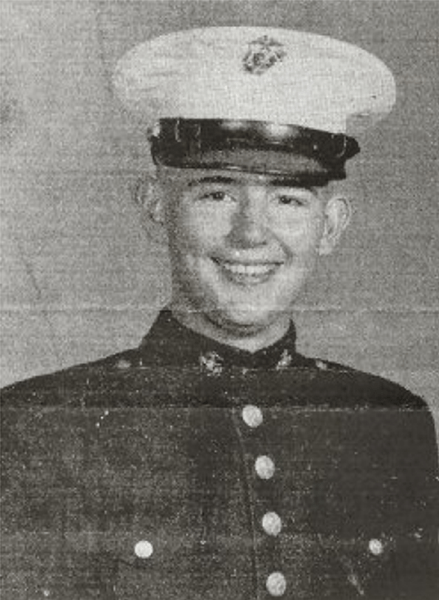
SGT Jack Lewis Raper, USMC
August 28, 1944 – June 8, 1967

Why is it that you can send money around the world in seconds with your phone, but a forward observer can’t use a secure application to connect with an artillery battery and call for fire? That’s because the past 30 years of technological innovation have largely left the military behind. The services don’t have a large-scale ability to create the technology required to compete on the modern battlefield.
Continue reading “How Reservists Can Jumpstart Military Software Development”
It’s “the foundry”—the shore establishment—Adm. Daryl Caudle said at a Monday ceremony.
Readiness starts at “the foundry”—the U.S. Navy’s shipyards, training centers, shore facilities, weapons production lines, and logistics networks—the incoming chief of naval operations said Monday at the Washington Navy Yard.
Continue reading “New CNO vows new ‘engine of naval dominance’”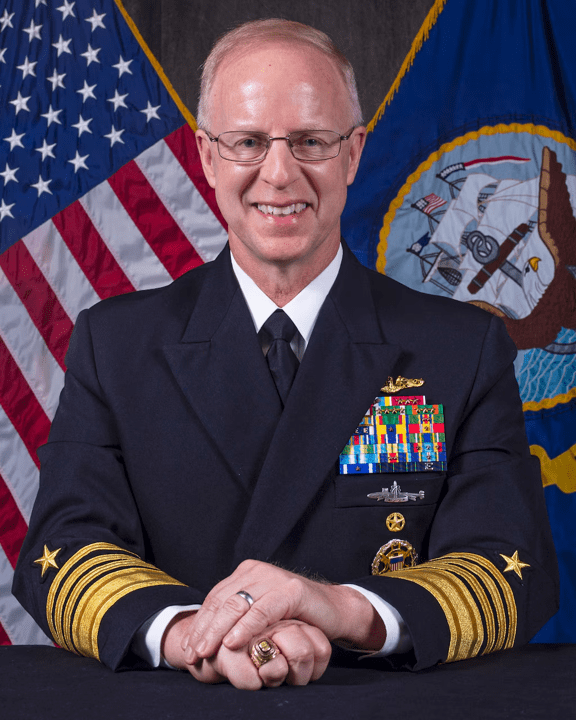

By Raymond Munger
After reading about the Nebraska Ave. facility being activated in February 1943, I believe I may have been one of the first 1100 to be stationed there. Louie Neu of Shelbyville, Harry Weber of Indianapolis, Tommy Pollard of Evansville, Gordon Nelson of Minneapolis, H.D. Meyer of Selma, Alabama and I were all members of Company 1630, Camp Green Bay, Great Lakes Naval Training Center.
Continue reading “Plank Owner – 3801 Nebraska Avenue”
