
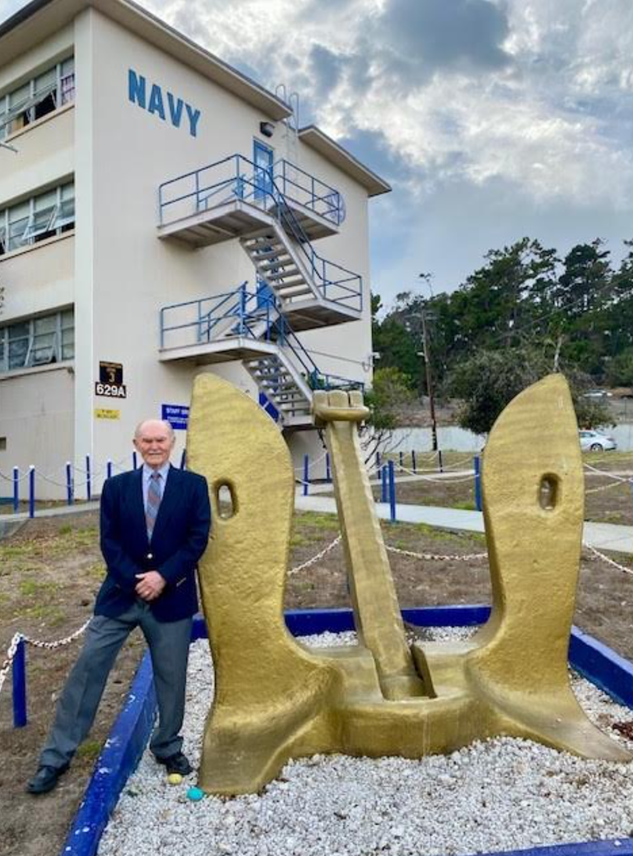
LT Harry Rakfeldt (Ret.) enlisted in the U.S. Navy in 1954, advanced to Chief Cryptologic Technician Interpreter (CTIC) in 1965, and was selected as a Warrant Officer in 1967 before being commissioned as a Limited Duty Officer (LDO). He holds a special connection to IWTC Monterey, having served as the command’s first Officer in Charge when it was established as a Detachment in February 1976. He is also credited with acquiring one of the anchors that stands proudly in front of the old headquarters building. The following is LT Rakfeldt’s personal account of his recent return to Monterey—49 years after his retirement in August 1976.
Continue reading “First OIC of NSGD Monterey Returns after 49 Years”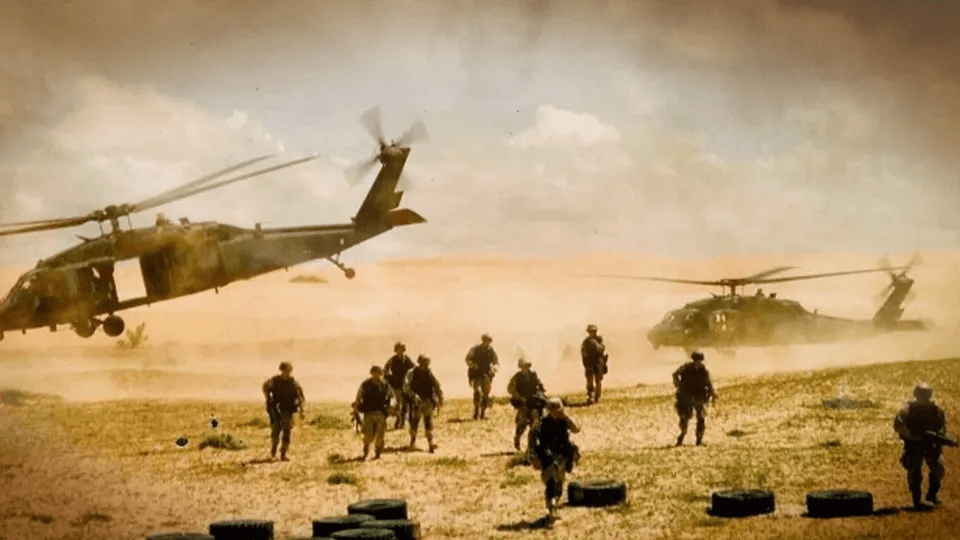
The Battle of Mogadishu, fought on October 3–4, 1993, remains one of the most intense and heroic engagements involving U.S. forces since the Vietnam War. The battle took place in Mogadishu, Somalia, during Operation Gothic Serpent, a mission launched by U.S. and United Nations forces to capture Somali warlord Mohamed Farrah Aidid and stabilize the region during a time of famine and civil unrest.
Continue reading “Remembering The Battle of Mogadishu, Also known as “Black Hawk Down””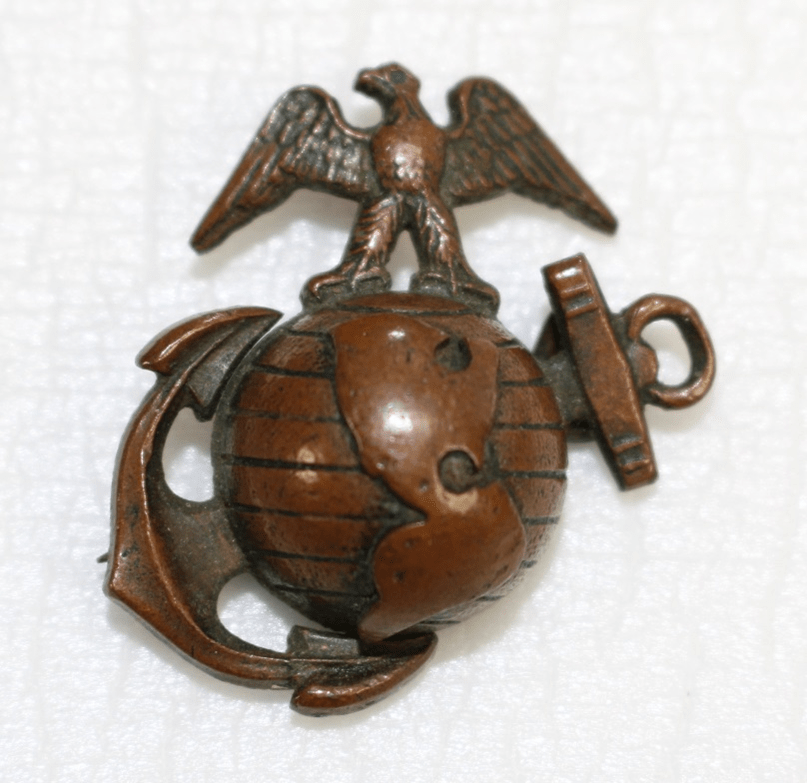
Sgt Lesko – The First Intercept Operator at Shanghai
Shanghai’s allowance of one sergeant and eight enlisted Marines was basically the same as the Peiping site. The first marine intercept operator assigned to Shanghai was then Sgt Stephen Lesko. He reported to Headquarters Company, 4th Marines on June 12, 1935, from the USS AUGUSTA (CA 31) were he had served as part of a COMINT direct support complement. Upon completing his early tour of duty at Peiping, then Cpl Lesko had returned to the U.S. and attended the Radio Material School at Bellevue where he was promoted to Sgt.
Continue reading “History of U.S. Marine Corps COMINT Effort (Part 4 of 6)”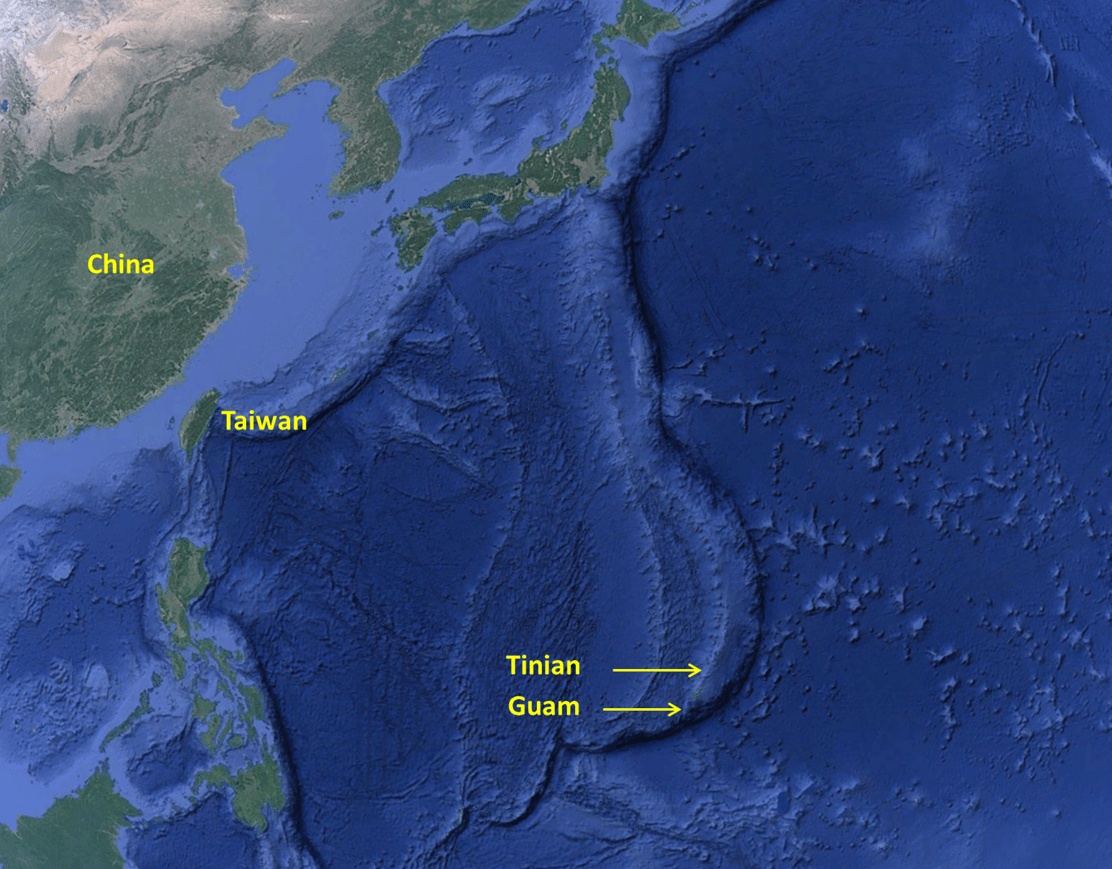
The significant airfield repair and upgrade work might support frontline fighters in the future, as the U.S. develops distributed basing to counter China in the western Pacific.
Continue reading “Revival of WW2-Era Tinian Airfield Picks Up with ‘Rehabilitation’ Work”
The Manchurian Incident
September 18, 1931 was significant in the Peiping station’s history. Now Cpl Lesko was alone on watch when he observed a tremendous increase in message volume on the Japanese diplomatic circuits – all high priority. Lesko informed CRM Max C. Gunn (Chauncey’s relief) that, “Something’s happening out there. They went crazy early this morning, before it was even daylight.” What had happened was the “Manchurian Incident.” Following an explosion of an alleged bomb on the tracks of the Japanese operated Southern Manchurian Railway at Liutiaokou near Mukden, elements of the Kwantoung Army seized the city. Neither the Japanese Foreign Officer nor the Imperial General Staff had knowledge of the “incident” until after it had occurred. Essentially, the Japanese Government was force to accept the accomplished fact and explain it as best it could to the rest of the world. Although the Sino-Japanese conflict was localized at the time, it was a prelude to the holocaust of a decade later.
Continue reading “History of U.S. Marine Corps COMINT Effort (Part 3 of 6)”
First Marine Intercept Operators
In 1931, to improve security, the intercept site was moved to another location near the U.S. Naval Attaché’s residence. Although the site’s installed equipment undoubtedly changed with the passage of time, all positions were equipped with RIP-5 typewriters. Initially, receivers included one Model RE LF receiver; one Model RF IF receiver, one Model RT and one Model RG HF receiver. Due to reception limitations most intercept was accomplished on HF receivers while LF and IF receivers were used to search for new transmissions.
Continue reading “History of U.S. Marine Corps COMINT Effort (Part 2 of 6)” Station HYPO