
The Naval Security Group first represented in Naples Italy 1952 as Communication Security Unit 601. Six years later, in 1958, the Unit 601 was changed to U.S. Naval Security Group Det. On October 1, 1979, NSGD was administratively disestablished, and U.S. Naval Security Group Activity (NSGA) was established. Two years later in 1981, STREAMLINER and TACINTEL were installed.
Continue reading “OTD: NSGA Naples Decommissioned”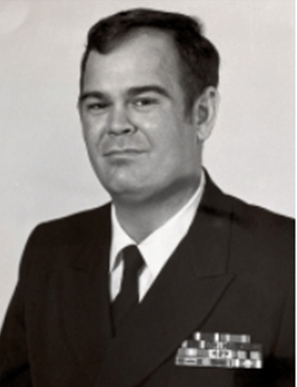
James D. Avery, age 77, of Poulsbo, passed away on August 7th after a long battle with Alzheimer’s. He was born on May 19, 1944, in Waverly, IA to Jim and Anne Avery. He graduated Waverly-Shell Rock High School. Not long after, he joined the Navy.
Continue reading “Remembering Chief Warrant Officer James Avery, USN, Cryptologist”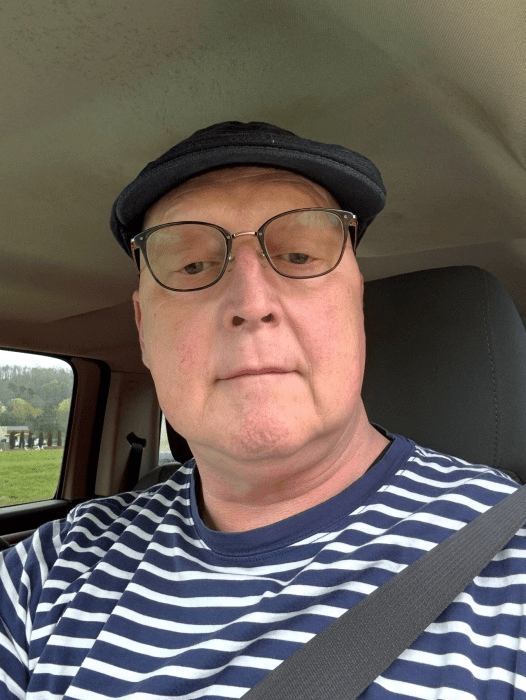
Jesse Ray Norwood, age 64, a native of McMinn County, passed away on Sunday, March 22nd, 2026. He is preceded in death by his parents: Ray Houston Norwood and Marjorie Ann Lyles Norwood, a brother: Jeffery Allen Key and a sister: Ela Mae Womac. Jesse is survived by his wife of 43 years: Ryoko Takahashi Norwood, a son: Nicholas Taro Norwood, and a brother: John Mark Norwood.
Continue reading “Remembering CTOCS (Ret.) Jesse Norwood, USN”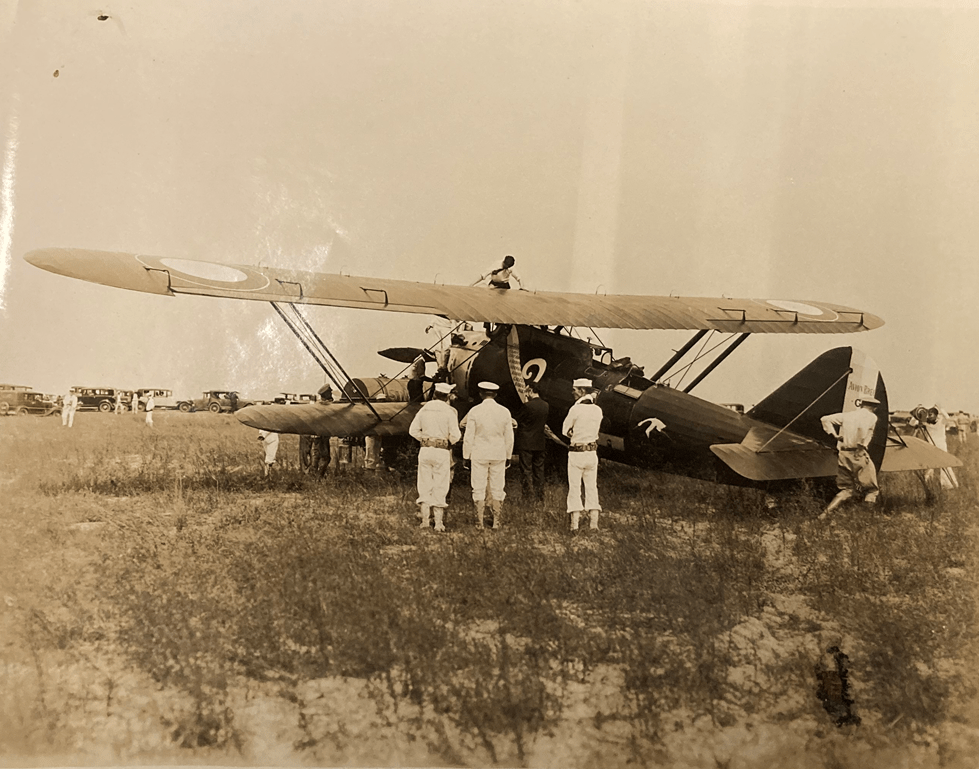
Most on this page are familiar with NCTC Corry Field, NTTC Corry (Field/Station) or IWTC Corry Station that was established in 1934. However, the Corry you know was not the first installation with that name. The original Corry Field dates back to 1922 and was located closer to downtown Pensacola.
Continue reading “Corry Field – The First One!”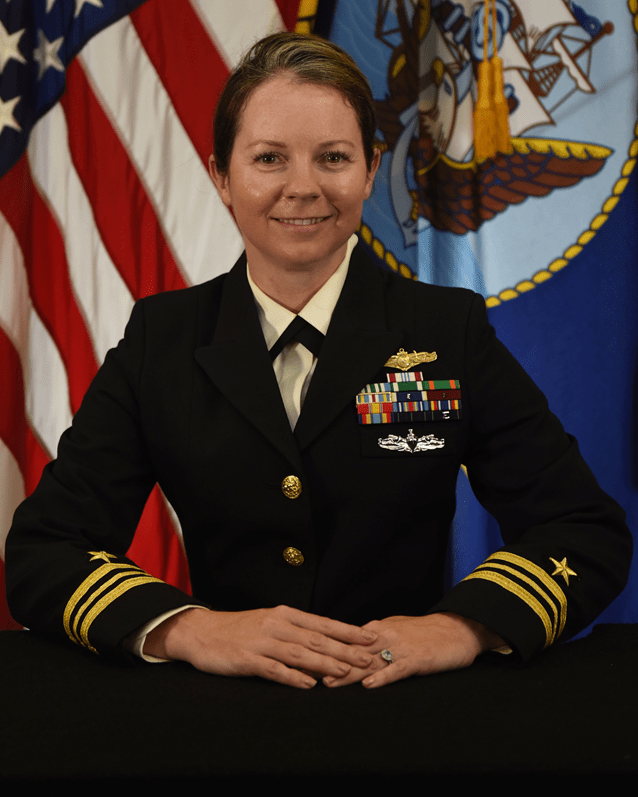
They say people from all walks of life join the military. When I was enlisted, we shared our life stories and several were similar to mine. You don’t hear the same origin stories in the wardroom. For Women’s History Month, I wanted to share my story in hopes of encouraging someone in need. I hope my story shows that you can leave behind your past and make a great life for yourself if you desire. The military can help you; the Navy is a great equalizer and offers many opportunities to enhance your life so long as you choose to seek them out and take advantage of them. For any of you who need to hear this, I am proof that you can be accepted to a commissioning program with a GED.
Continue reading “Honoring LCDR Yolanda Gutierrez – An Amazing Story!”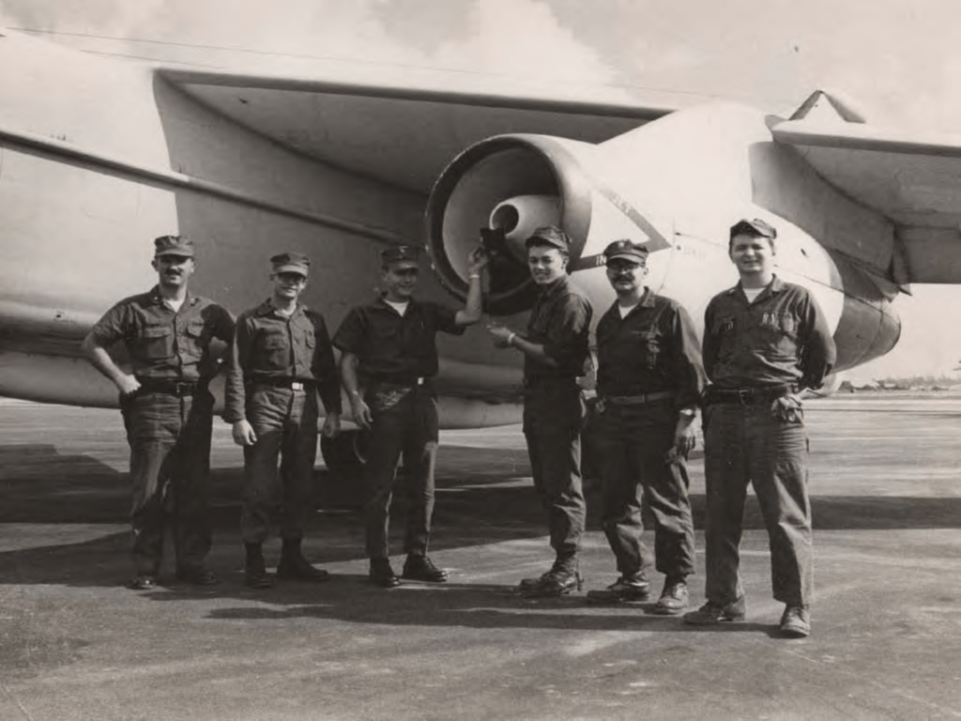
 Station HYPO