

SUFFOLK, Va. — Vice Admiral Mike Vernazza, commander, Naval Information Forces (NAVIFOR) / IBoss, announces the winners of the inaugural NAVIFOR sponsored information warfare (IW) Big Ideas Challenge:
Continue reading “NAVIFOR/IBoss Announces Winners of NAVIFOR IW Big Ideas Challenge.”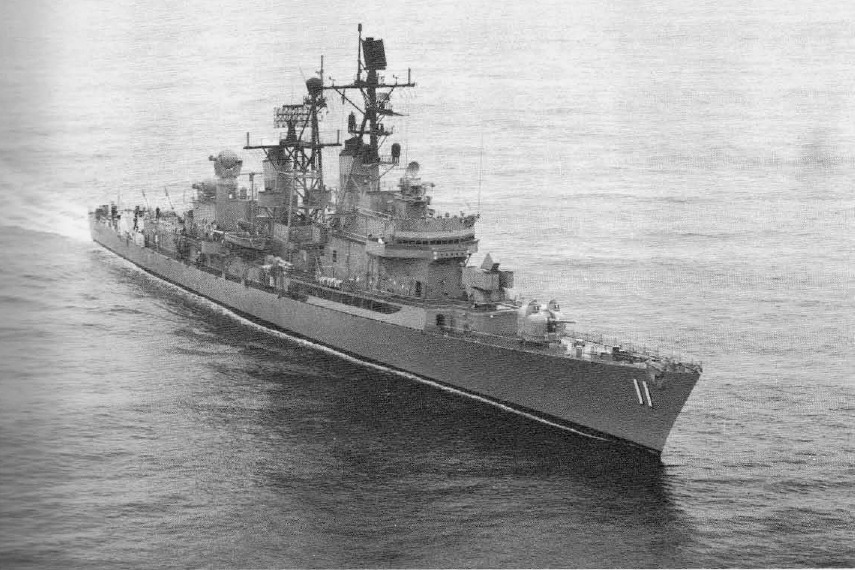
Many Naval Security Group personnel who served during the Vietnam Era are familiar with PIRAZ station – the Primary Identification Radar Advisory Zone established in the Gulf of Tonkin (GOT) in 1966 to track hostile and friendly air traffic over North Vietnam and the GOT. PIRAZ was continuously manned from its inception until after the cessation of hostilities and the return of the POWs from Hanoi in 1973. Since any ship assigned PIRAZ duties (most were cruisers or DLGs) had a NAVSECGRU detachment, quite a few CTs earned membership in the “Gulf of Tonkin Yacht Club.”
Continue reading “Peacetime Aerial Reconnaissance Program Station (Guest Post)”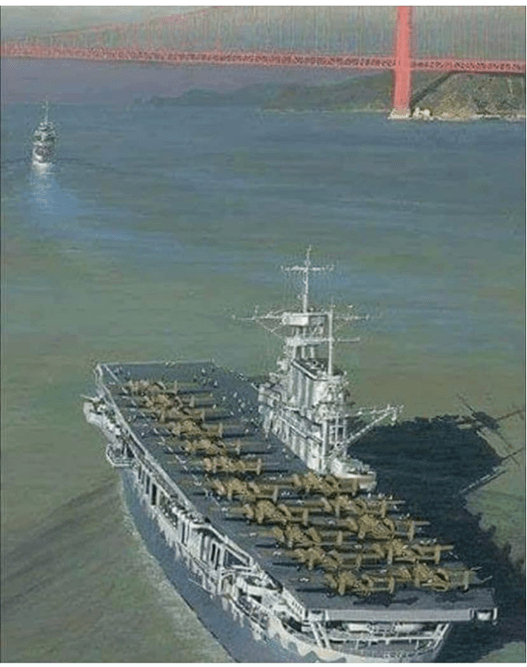
On March 31st, Hornet tied up at Alameda NAS. On this same day, the Army B-25s were flown to Alameda from Sacramento. Hornet’s normal aircraft were stored below in the hangar deck since the B-25s would not fit in there. Within 24 hours, 16 of the Army bombers were loaded onto Hornet’s flight deck and tied down in the order of their expected launch position.
Continue reading “USS Hornet (CV 8)”
Lt. Shane Osborn:
Looking at a Miracle
“Standing in the sweltering heat of the Lingshui taxi ramp, I realized
I was looking at a miracle!” —Lt. Shane Osborn
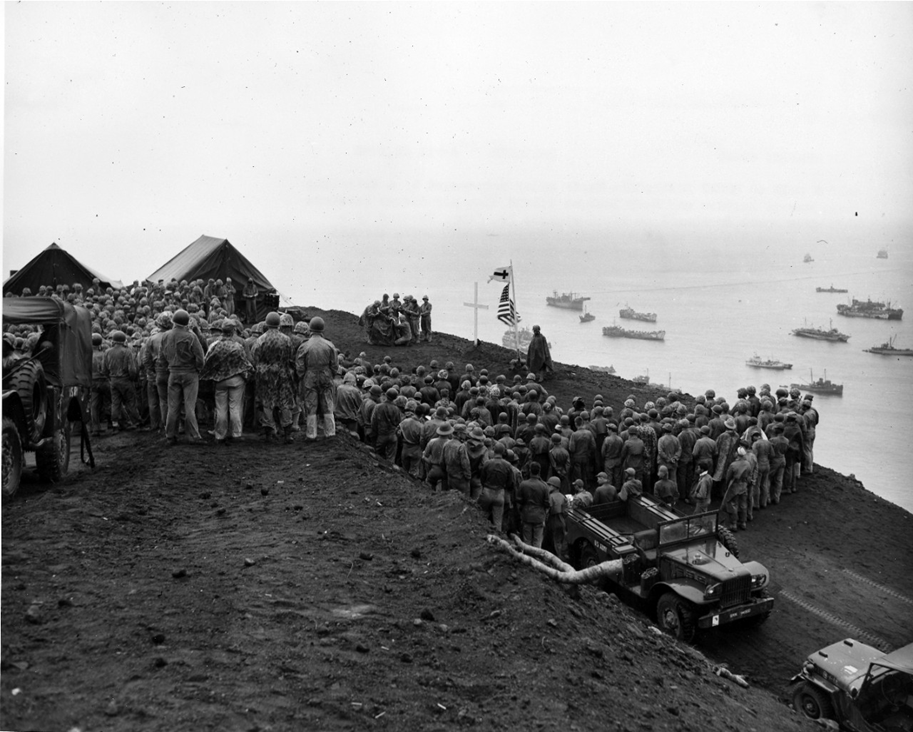
The Battle of Iwo Jima, fought between February 19 and March 26, 1945, stands as one of the most intense and iconic confrontations of World War II. Located approximately 750 miles south of Tokyo, Iwo Jima was a small, volcanic island strategically important to both the United States and Japan. For the U.S., capturing the island meant securing a vital forward base for air operations in the Pacific, while for Japan, it represented a key defensive outpost guarding the home islands. The ensuing battle would become one of the bloodiest and most fiercely contested of the entire war.
Pictured are Marines and Navy Seabees attending Easter services atop Mount Suribachi on blood-stained Iwo Jima, while fellow Marines and Soldiers were assaulting Okinawa a few hundred miles away.
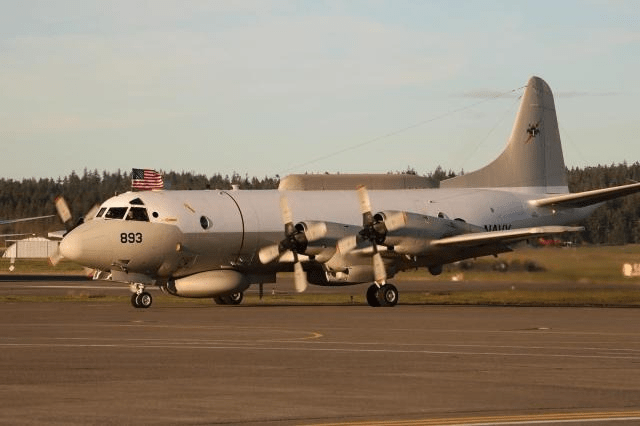
Fleet Air Reconnaissance Squadron One (VQ-1), known as the World Watchers, deactivate on 31 March 2025. A deactivation ceremony was held at Naval Air Station (NAS) Whidbey Island (WA) on 28 March 2025.
Continue reading “Sundown for Fleet Air Reconnaissance Squadron One” Station HYPO