
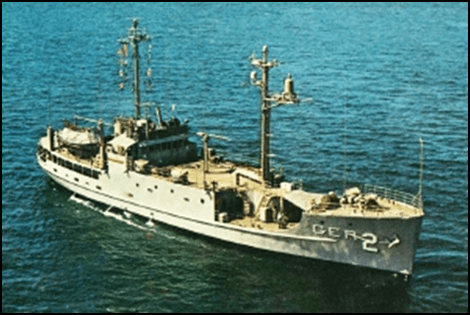
The following individuals served aboard the USS Pueblo (AGER-2), which was captured by North Korean forces on January 23, 1968. The crew endured imprisonment and torture during their 11 months in captivity. All were awarded the Prisoner of War Medal, and all military personnel were additionally authorized the Armed Forces Expeditionary Medal and the Combat Action Ribbon. Fireman Duane Hodges listed below was killed on the day the Pueblo was captured.
Continue reading “USS Pueblo: Listing of the Valiant Crew Members, U.S. Heroes, by name, Part 19 of 19”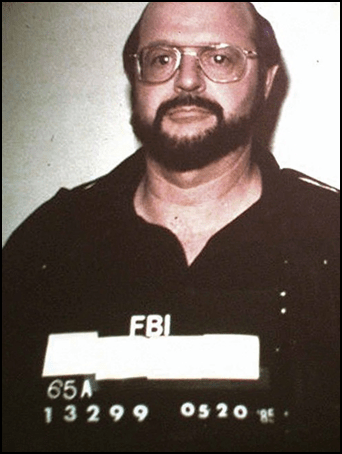
What no one in the cryptographic community realized at the time was that a U.S. Navy radio specialist, John Anthony Walker Jr., had recently begun selling classified codes to the Soviet Union. In late 1967, Walker walked into the Soviet embassy in Washington, D.C., offering to sell a wide range of top-secret documents related to Navy operations. The Soviets accepted without hesitation. In early January 1968, just before the USS Pueblo was seized, Walker left a package of KW-7 encryption codes at a dead drop in the Virginia countryside.
Continue reading “USS Pueblo: The Walker Spy Ring – America’s Most Devastating Betrayal , Part 18 of 19”
In May 1968, naval intelligence informed the Joint Chiefs of Staff that the seizure of the USS Pueblo had caused “the probable compromise of a considerable amount of U.S. classified material.” The CIA reported in August that North Korean divers had “recovered the gear tossed overboard by the Pueblo crew prior to capture.” At a closed-door congressional hearing in September, CIA chief Richard Helms stated that the North Koreans “have been dismantling the antennas and by now have probably completed their exploitation of the ship’s equipment.”
Continue reading “USS Pueblo: The Cost of Capture – NSA’s Grim Reckoning After the USS Pueblo Seizure, Part 17 of 19”
In San Diego, two black dots appeared on the horizon, getting bigger by the moment. “They’re coming in!” someone shouted. The C-141 Starlifters circled the airfield and seemed to land in slow motion. The big jets taxied toward the waiting families and cut their engines. A tense stillness settled over the crowd as uniformed sailors unrolled red carpets up to the aircraft. Then a hatch on the lead plane popped open, and Pet Pucher wobbled down the staircase, worn-looking but smiling.
Continue reading “USS PUEBLO Crew Home for Christmas: The Return of the USS Pueblo Crew, Part 16 of 19”
Snow drifted down over the Bridge of No Return as communist riflemen watched from the surrounding hills. Odd Job, one of the guards, called CDR Bucher from his bus to identify the remains of Fireman Duane Hodges. The fireman’s body, wrapped tightly in gauze like a mummy, had been brought to the bridge in an ambulance. Attendants wearing white surgical masks lifted the coffin lid and peeled back the bandages so Bucher could see the face within.
Continue reading “USS PUEBLO Crew Crossing the Bridge of No Return, Part 15 of 19”
Strategic communications means more than managing messaging. It means protecting reputation through intelligence capabilities.
Continue reading “Counter-intelligence is now a communications function”
