
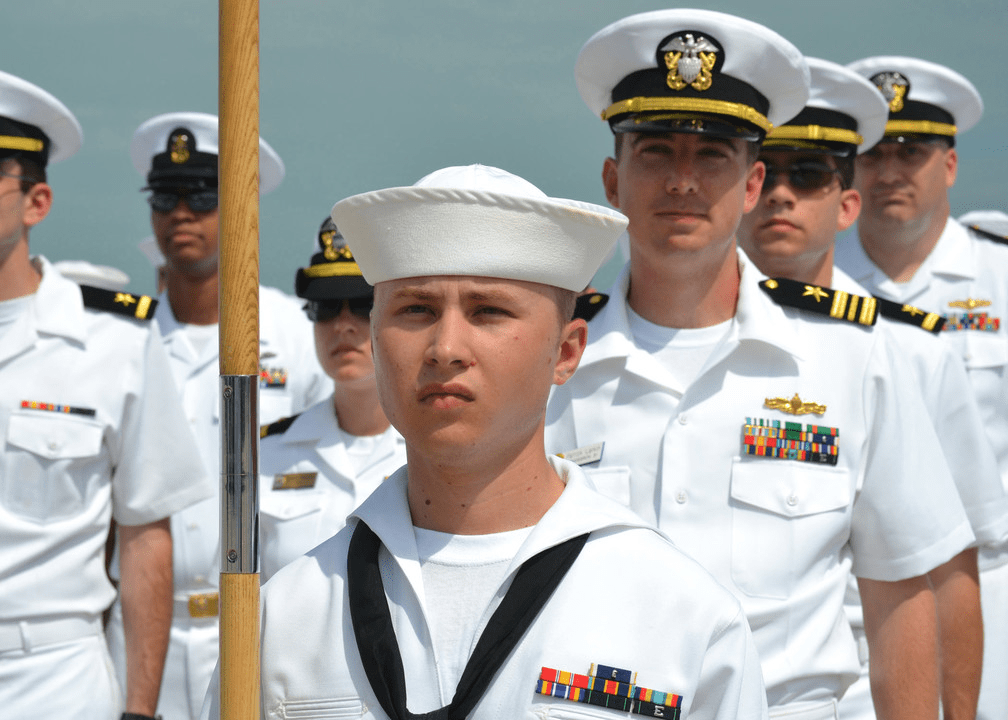
In the ever-evolving landscape of naval warfare, success hinges not only on advanced technology and strategic assets but also on the leadership traits of those who guide and execute the mission. Effective warfighting development requires a seamless alignment of vision, mission execution, tactical expertise, and leadership at all levels of command. Each rank within the Navy carries distinct responsibilities and expectations, shaping a culture of excellence and adaptability. This article explores the key traits associated with each rank, highlighting how they collectively contribute to the Navy’s operational success.
Continue reading “Developing Warfighting Excellence: Key Traits Across Navy Leadership Ranks”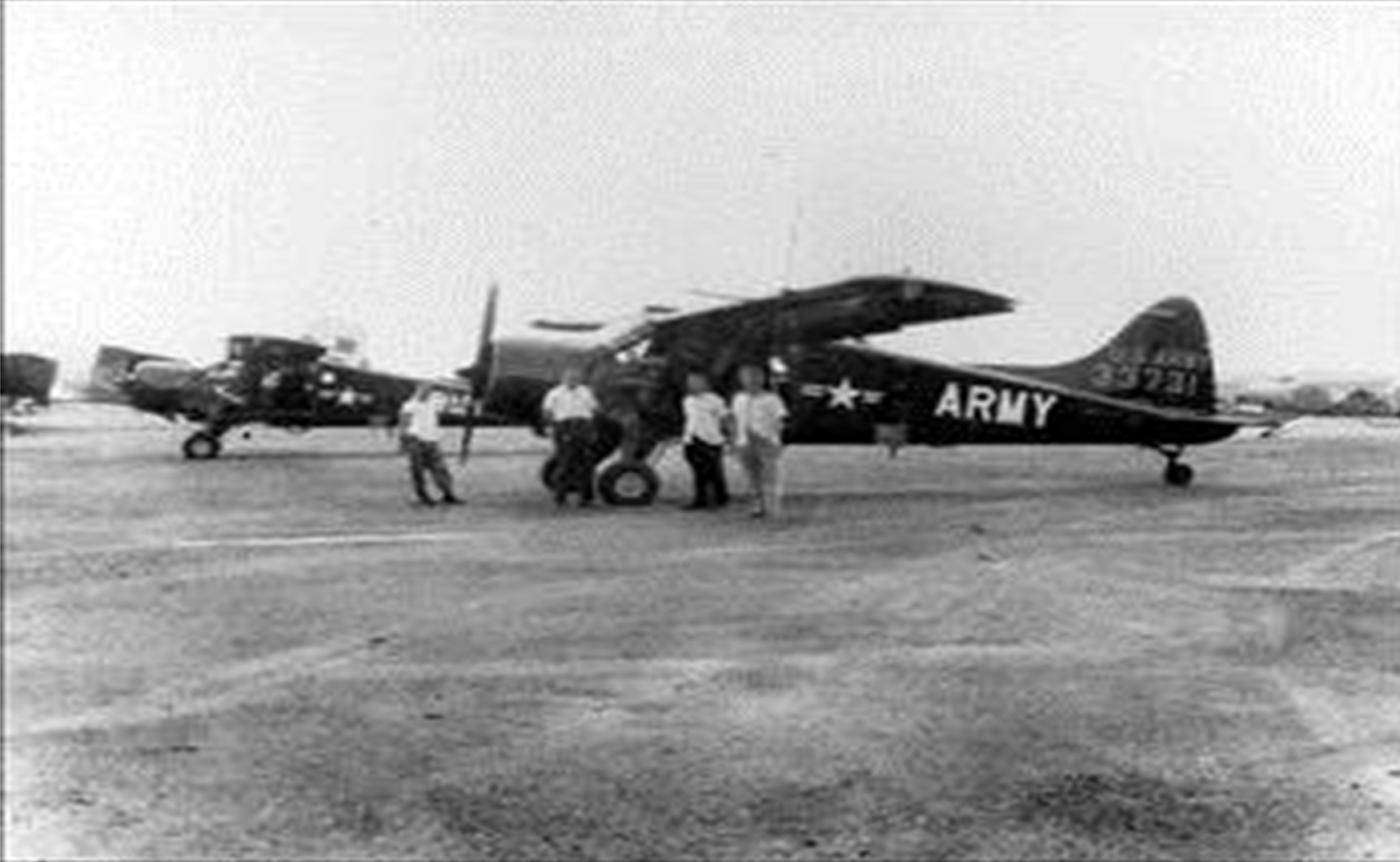
March 22, 1962, the Army Security Agency (ASA) flew the first airborne radio direction finding mission in Vietnam. It was a single-engine aircraft that flew low, slow, and had room for only a few people. This mission flew against Viet Cong transmitters east of Saigon.
Continue reading “First Air RDF Mission in Vietnam”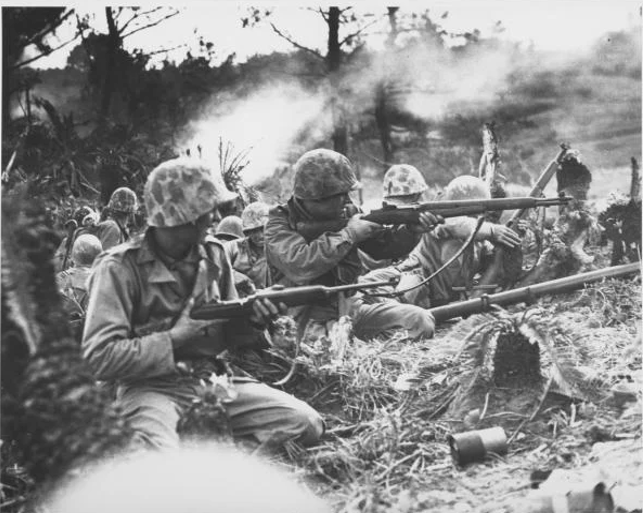

On November 1, 1952, the Naval Radio Station at Marietta was commissioned. On March 15, 1953, four months later, the facility at U.S. Naval Security Group Activity (NSGA) Bainbridge, Washington State closed and mission functions and responsibilities were transferred to NSG Det Marietta. This increased responsibility elevated Marietta operational status and was commissioned to a Naval Security Group Activity on that date.
Continue reading “NSGA Marietta, WA Decommissioned March 1972”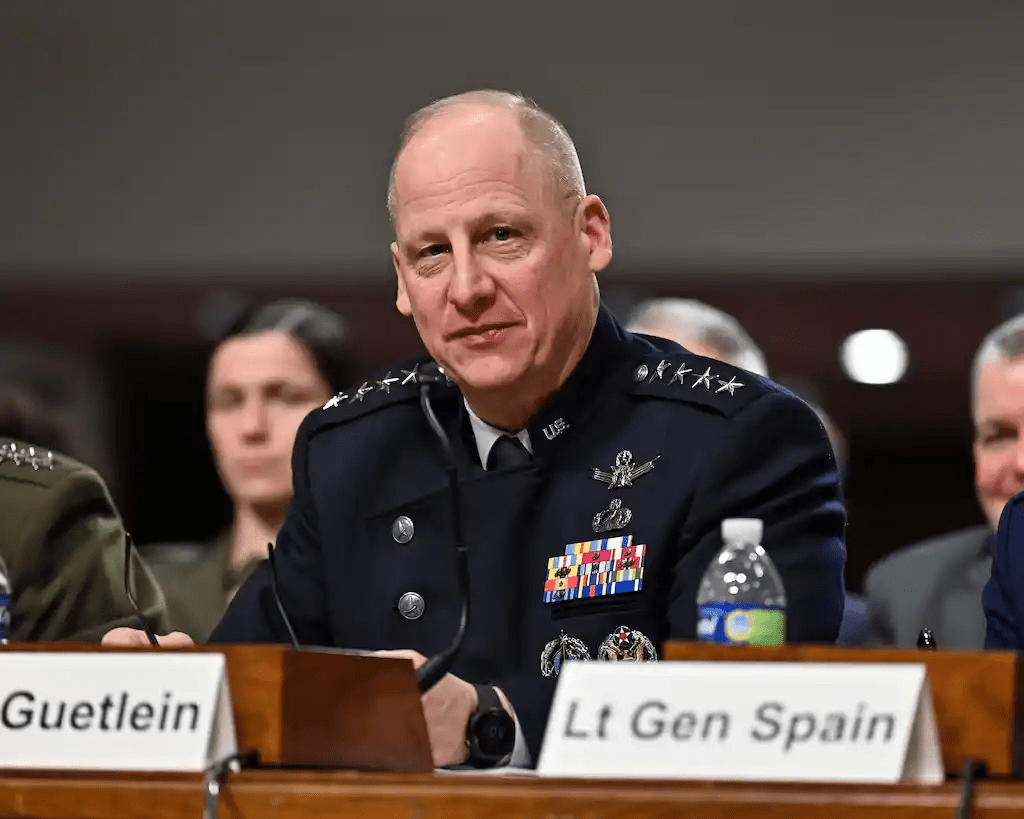
A top Space Force general said Tuesday that commercial systems have observed Chinese satellites rehearsing “dogfighting” maneuvers in low Earth orbit — the U.S. adversary’s latest show of tactical and technological advancement in space capabilities.
Continue reading “China demonstrated ‘satellite dogfighting,’ Space Force general says”
By Lieutenant Commander Brian Adornato, U.S. Navy Reserve
“The Navy emphatically acknowledges the need for a larger, more lethal force.”
“We cannot manifest a bigger traditional Navy in a few short years.”
These two quotes from the Chief of Naval Operations’ (CNO’s) Navigation Plan 2024 (NavPlan 24) highlight an intractable problem for the U.S. Navy. The service does not have enough ships. It also has too little time to build more, considering Admiral Phil Davidson’s warning that 2027 will start a period of high risk for war with China—a timeline NavPlan 24 affirmed.
Continue reading ““Crash Fleet:” An Emergency Shipbuilding Program” Station HYPO