
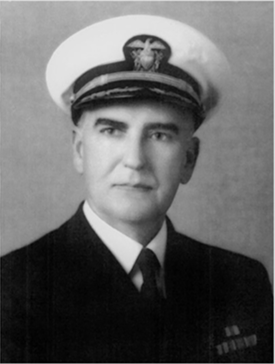
CAPTAIN DONALD CLARK GODWIN
UNITED STATES NAVY
September 13, 1888 – January 21, 1943
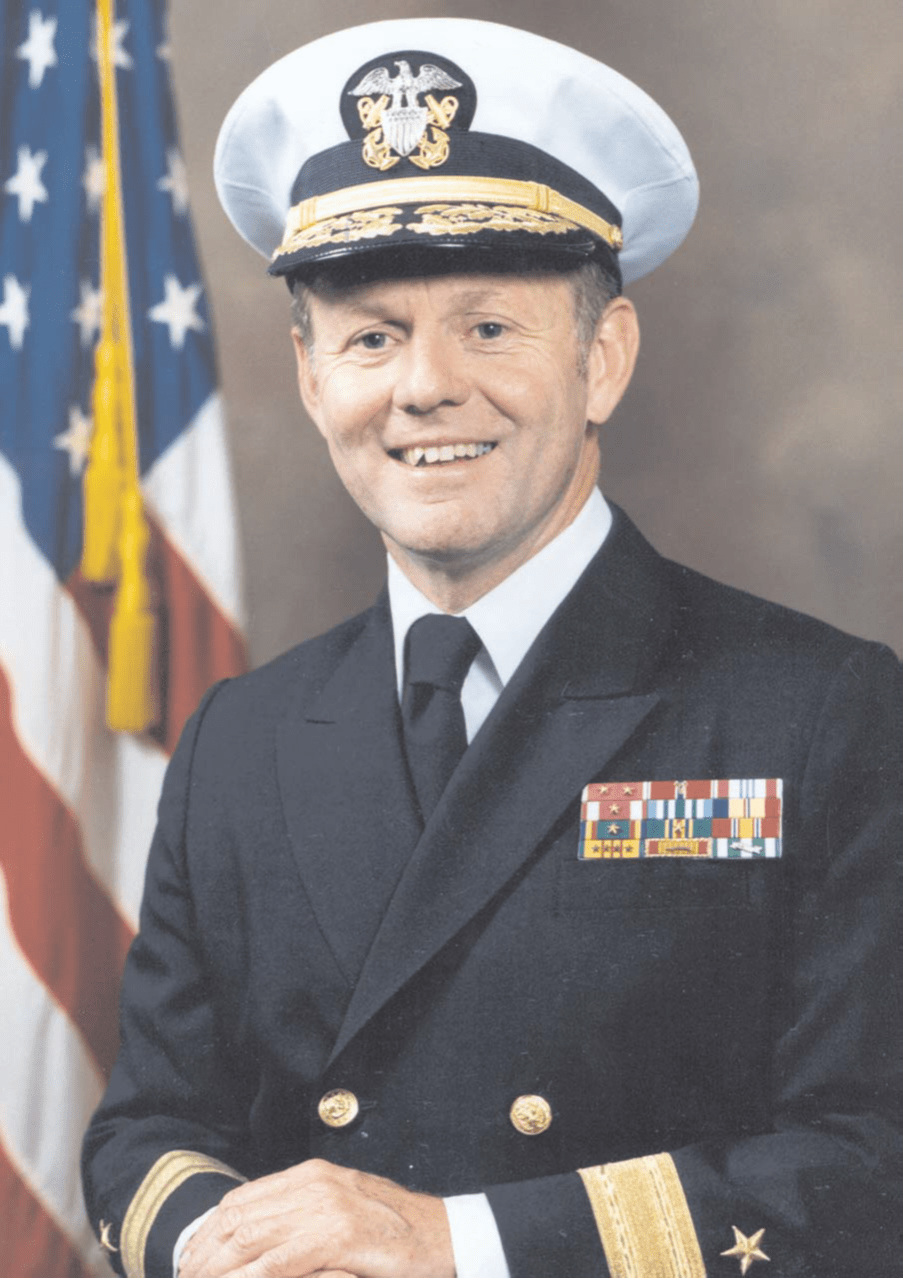

Captain James H. Henderson-Coffey, U.S. Navy (Retired), exemplifies the very best traditions of naval service, leadership, and professional excellence. Born in Kentucky and raised in Pittsburgh, Pennsylvania, he enlisted in the United States Navy in 1979 and embarked on a remarkable career spanning more than four decades. His journey from enlisted Sailor to Navy Captain is a testament to determination, professionalism, and a lifelong commitment to service. He was advanced to Chief Petty Officer in 1992 and earned his commission through the Navy’s Limited Duty Officer (LDO) program in 1996.
Continue reading “Honoring Captain James H. Henderson-Coffey, USN (Ret.)”
Military service is time spent serving by an individual or group in the armed forces, such as the Army, Navy, Marine Corps, Coast Guard, Air Force, or Space Force whether as a chosen job (volunteer) or because of an involuntary draft (conscription). Service requires an immense understanding and sacrifice, by the members, but more precisely by the family to endure the countless deployments, combat tours, and long hours. I always held the belief that “the military is a great place to start; the duration of your service is a personal choice”. My entire nuclear family (me, my wife, and our four children) not only understood the sacrifice, but embraced the expense and chose military service, particularly the U.S. Navy, as a selected occupation and profession.
Continue reading “Honoring Boswyck Offord, Sr. and His Navy Family – SERVICE – the Family Business”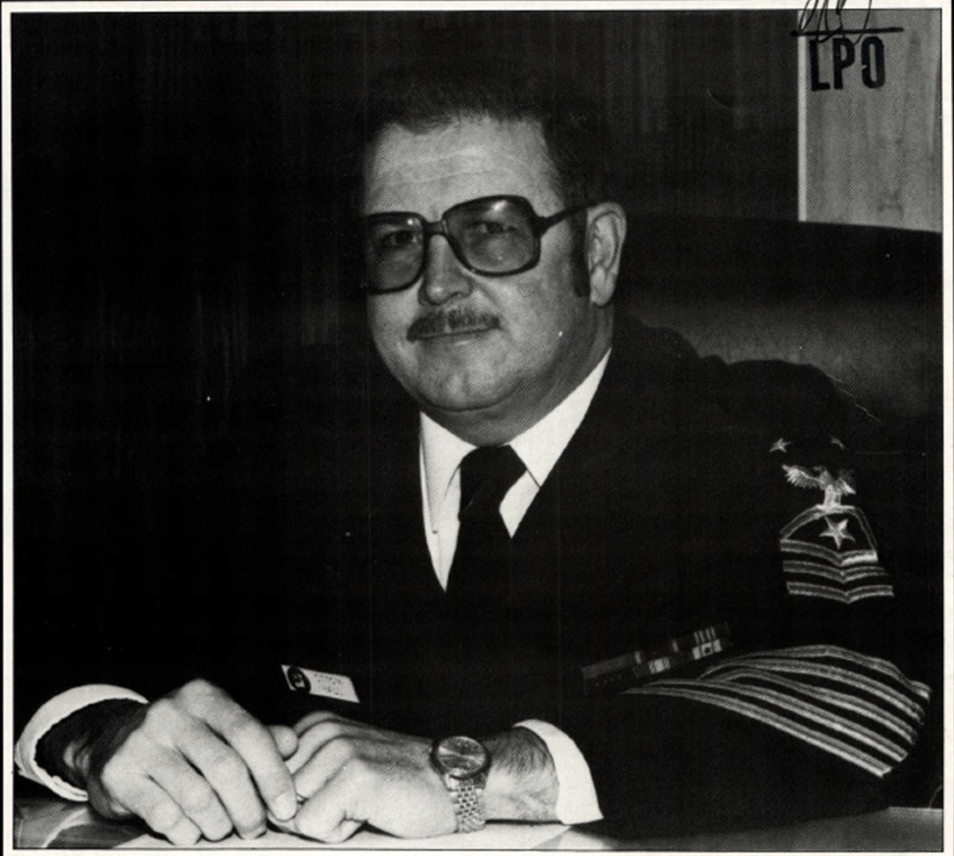
On March 25, 1985, the Naval Security Group Activity Misawa, Japan lost one of its most valuable members, and Misawa Air Base lost a trusted and respected pillar in the base community – Master Chief Petty Officer Robert E. Hall, United States Navy – our Command Master Chief. He died of an apparent heart attack.
Continue reading “Remembering NSGA Misawa’s Command Master Chief (CTTCM) Robert E Hall”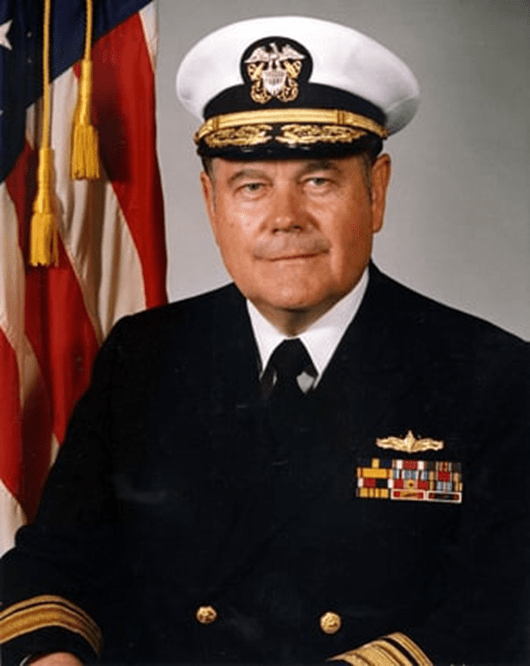
April 21, 1926 – September 1, 2009
The AEGIS Weapon System (AWS) is a centralized, automated, command-and-control (C2) and weapons control system that was designed as a total weapon system, from detection to kill. The heart of the system is the AN/SPY, an advanced, automatic detect and track, multi-function phased-array radar. This high-powered radar is able to perform search, track and missile guidance functions simultaneously, with a track capacity of more than 100 targets. The first Engineering Development Model (EDM-1) of the SPY-1 was installed in the test ship USS NORTON SOUND (AVM 1) in 1973.
Continue reading “Remembering RADM Wayne E. Meyer “Father of Aegis””
