
December 23, 1923 – July 5, 2005
“The worst thing that can happen is death, and that’s not the worst thing in the world either.”
Continue reading “Remembering VADM James B. Stockdale, USN, (Ret.)”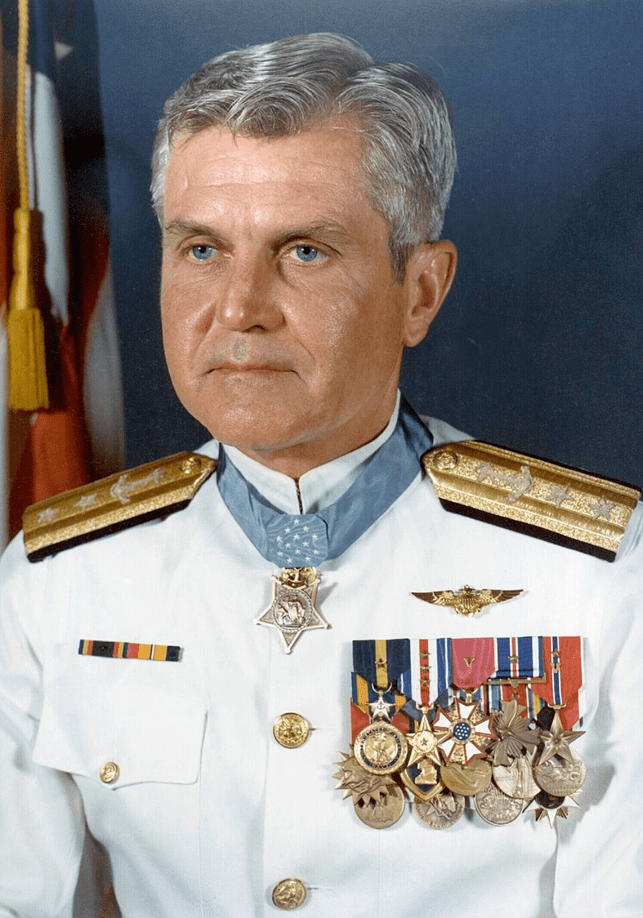
December 23, 1923 – July 5, 2005
“The worst thing that can happen is death, and that’s not the worst thing in the world either.”
Continue reading “Remembering VADM James B. Stockdale, USN, (Ret.)”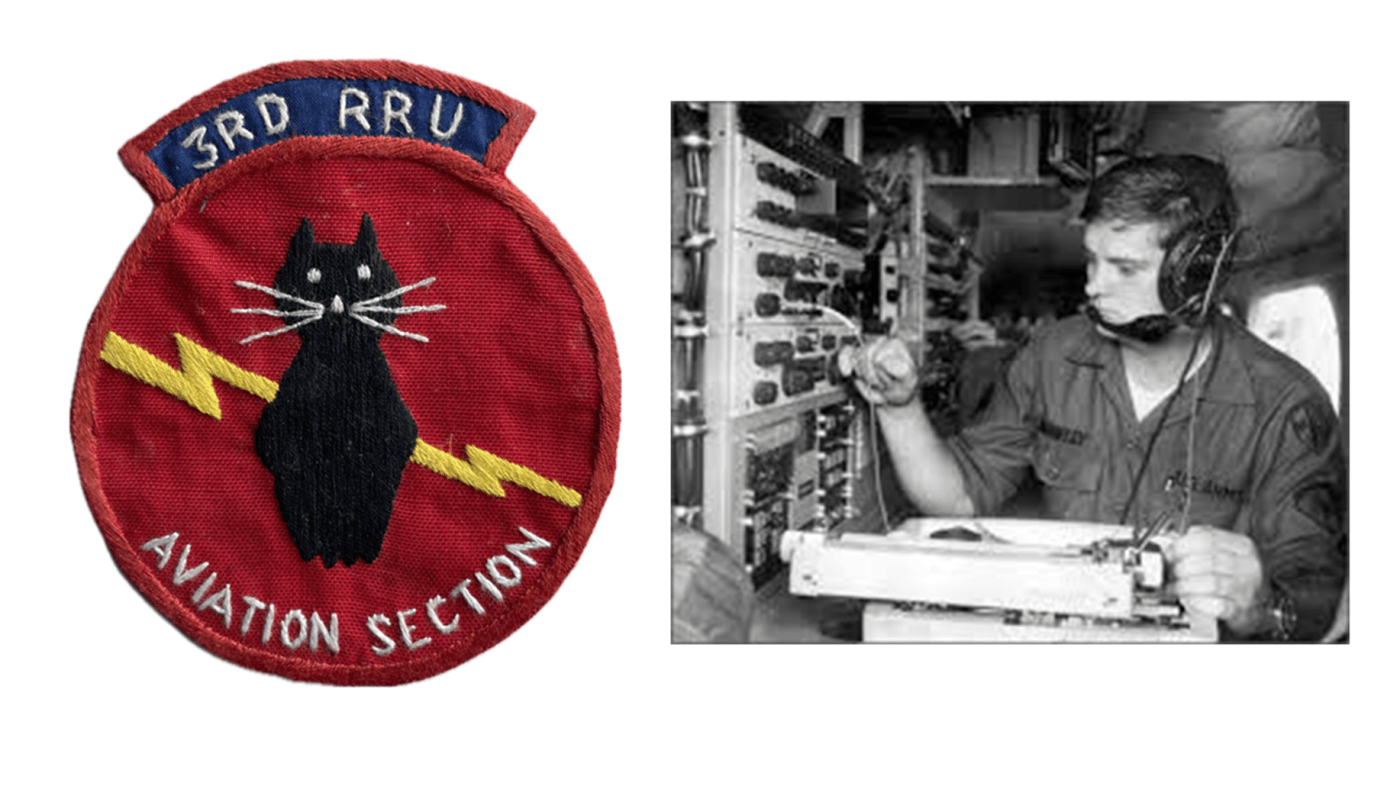
On May 13, 1961, the Army Security Agency’s (ASA) Third Radio Research Unit arrived in Saigon to provide support to the South Vietnamese military. Its location was the first of many conventional sites that US. cryptologists would establish in South Vietnam.
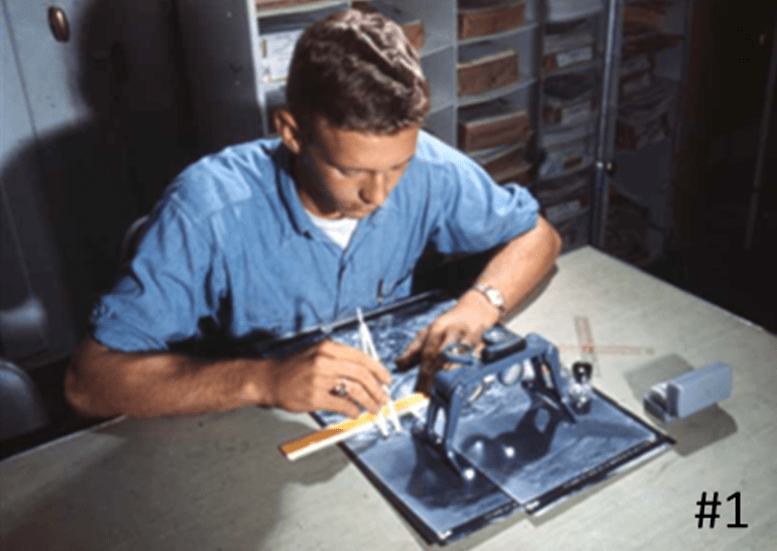
Communist attacks on the destroyer USS Maddox (DD 731) in the Gulf of Tonkin in August 1964 and the killing of American service personnel in South Vietnam later in the year and in early 1965 convinced American military leaders that the outbreak of war was imminent. It was apparent that rather than buckling under U.S. military pressure, Hanoi had decided to take the offensive. CINCPAC noted in March 1965 a “shift of communist tactics” intended to “bring about the disengagement of the U.S. in South Vietnam.” In a prescient statement, Admiral Sharp concluded that the North Vietnamese felt that “if they can kill Americans, harass U.S. personnel, and destroy U.S. facilities the American people will, in time, become so tired of the war that we will abandon our efforts there.”
Continue reading “Preparations for War in Southeast Asia, 1965”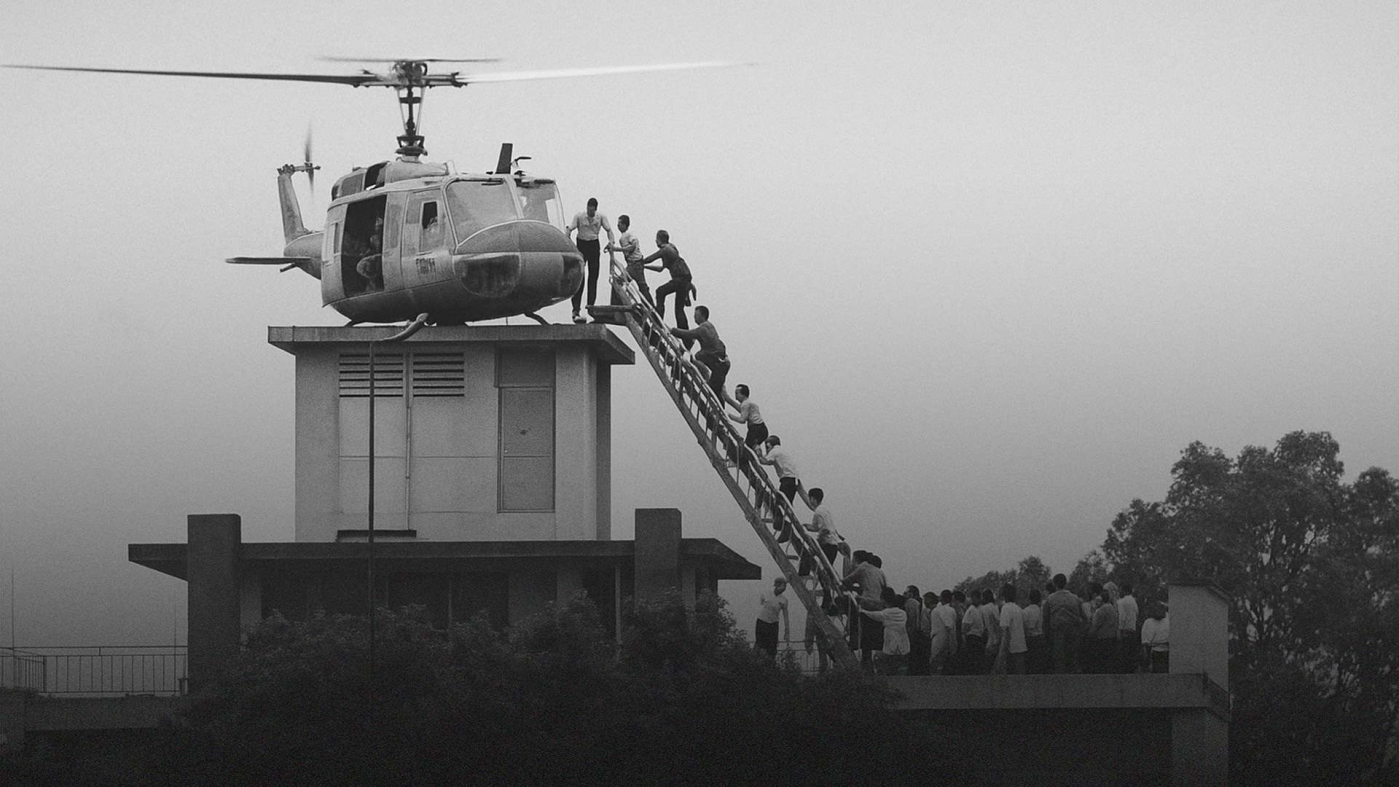
In the spring of 1975, as the South Vietnamese military crumbled under North Vietnamese attacks, a relative handful of NSA employees m Saigon continued to provide SIGINT support to the Americans still m country, mostly m the U.S. embassy.
Continue reading “Bittersweet Departure: The Final Days of NSA in Saigon”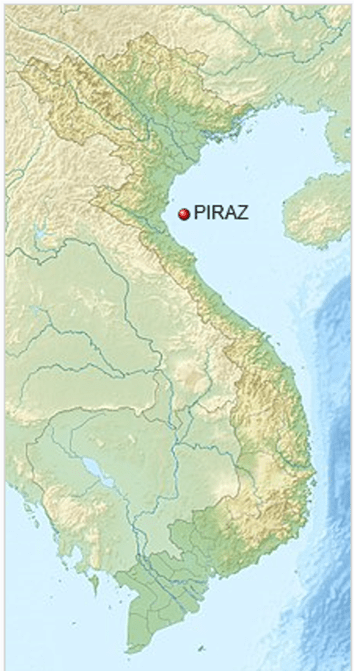
PIRAZ (Positive Identification Radar Advisory Zone), more commonly known by the callsign “RED CROWN,” was the most important station given to ships of the Cruiser/Destroyer force and was responsible for control of Navy airstrikes against North Vietnam. RED CROWN frequently controlled Air Force strike packages as well, and many USAF pilots preferred working with RED CROWN, a testament to the professionalism of whatever ship was assigned such duties.
Continue reading “PIRAZ “RED CROWN””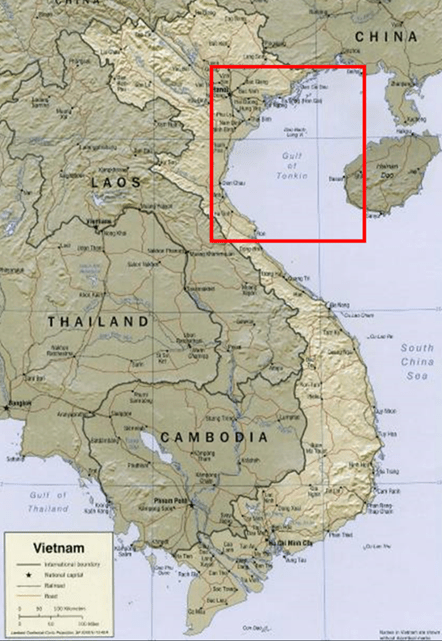
Many Naval Security Group personnel who served during the Vietnam Era are familiar with PIRAZ station – the Primary Identification Radar Advisory Zone established in the Gulf of Tonkin (GOT) in 1966 to track hostile and friendly air traffic over North Vietnam and the GOT. PIRAZ was continuously manned from its inception until after the cessation of hostilities and the return of the POWs from Hanoi in 1973. Since any ship assigned PIRAZ duties (most were cruisers or DLGs) had a NAVSECGRU detachment, quite a few CTs earned membership in the “Gulf of Tonkin Yacht Club.”
Continue reading “Peacetime Aerial Reconnaissance Program Station (PIRAZ)” Station HYPO