
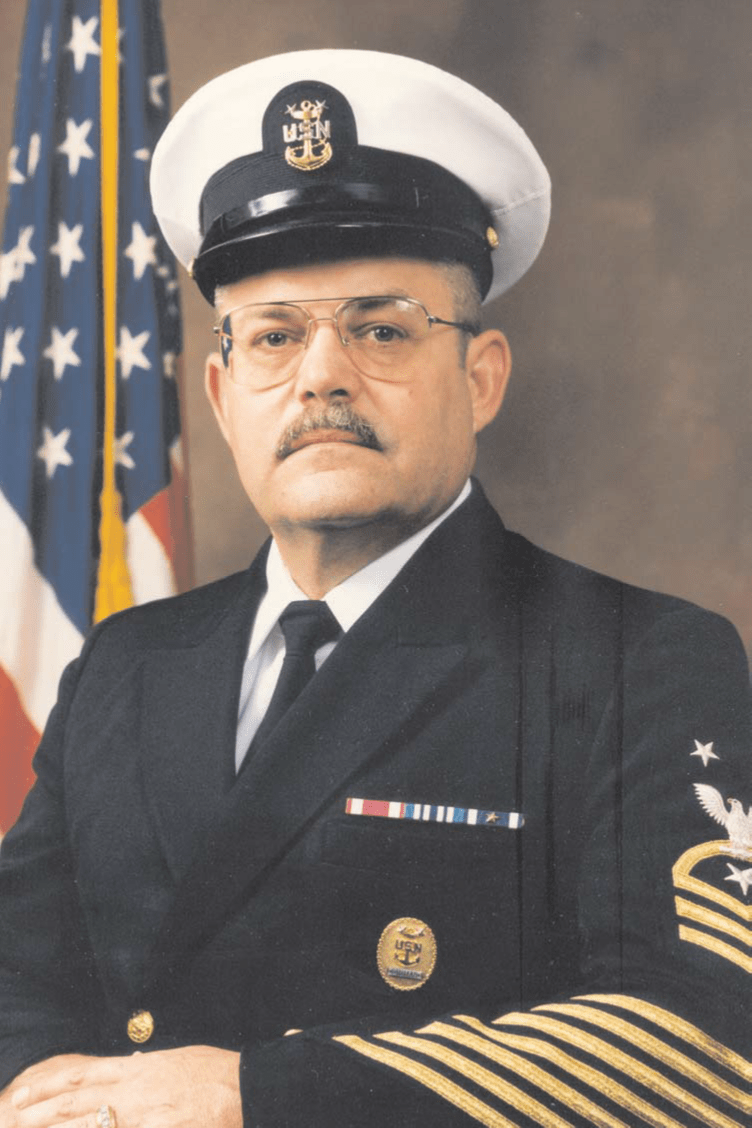
Master Chief Best spent the majority of his younger years traveling around the world with his parents, a career Army family. He graduated from high school in 1964 and subsequently enlisted in the U.S. Navy.
Continue reading “Honoring CTRCM (Ret.) Richard O. Best, USN, Seventh Force Master Chief for the Naval Security Group Command”The R-390 radio receiver is a highly respected military communications receiver developed in the early 1950s for the U.S. armed forces. Built primarily by Collins Radio Company and several other contractors, it became famous for its exceptional sensitivity, stability, and rugged construction. Designed during the early Cold War, the R-390 was widely used for intelligence, intercept, and long-range communications monitoring.
This is the third video in a six-part series examining the history of Navy cryptology, with particular emphasis on the role and development of traffic analysis.
This is the second video in a six-part series examining the history of Navy cryptology, with particular emphasis on the role and development of traffic analysis.
This is the first video in a six-part series examining the history of Navy cryptology, with particular emphasis on the role and development of traffic analysis.
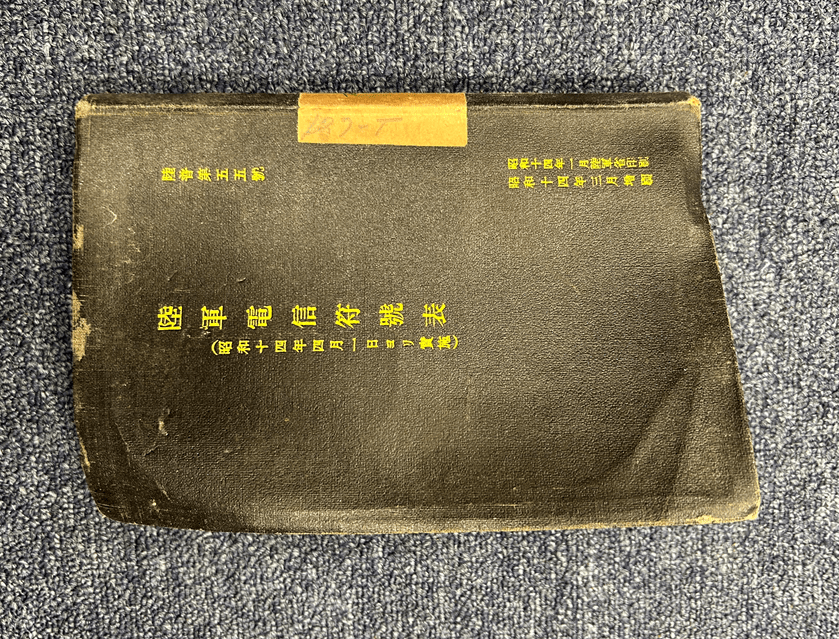
This codebook was forcibly taken six months prior to WWII from the radio operator of the Japanese tanker Nisshin Maru on May 28, 1941, by George A. Muller, an inspector with the U.S. Customs Service. The seizure occurred while the vessel was docked in San Francisco, under the pretext of conducting a search for narcotics.
Continue reading “Japanese Maritime Codebook, 1941” Station HYPO