
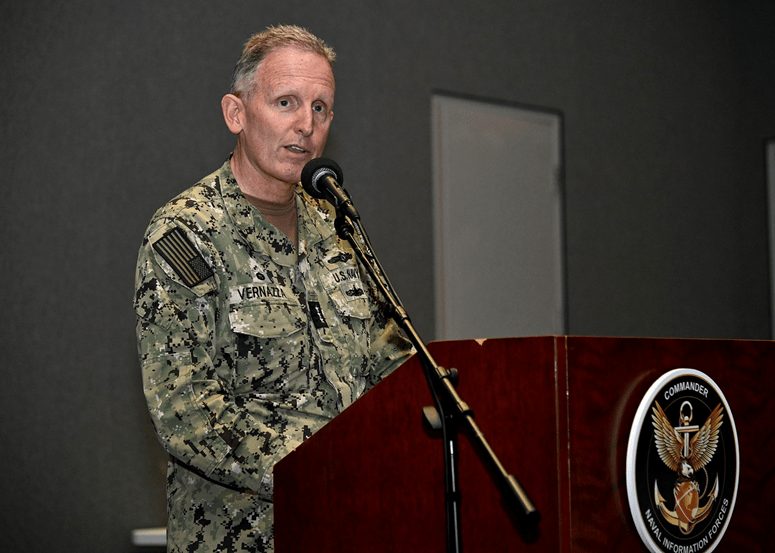
I sincerely hope the IWRON initiative addresses the ongoing cryptologic afloat issues, because what I recently heard is deeply concerning. I had a very serious 90-minute conversation with an 1810 currently serving on a DDG, and the situation described was unacceptable. While I won’t go into full detail, this officer—and the entire division—has been marginalized by the ship’s leadership. Even more troubling, there are eight other officers across the waterfront experiencing the same treatment, and all eight are planning to separate at their first opportunity.
Continue reading “Afloat Cryptology in Crisis”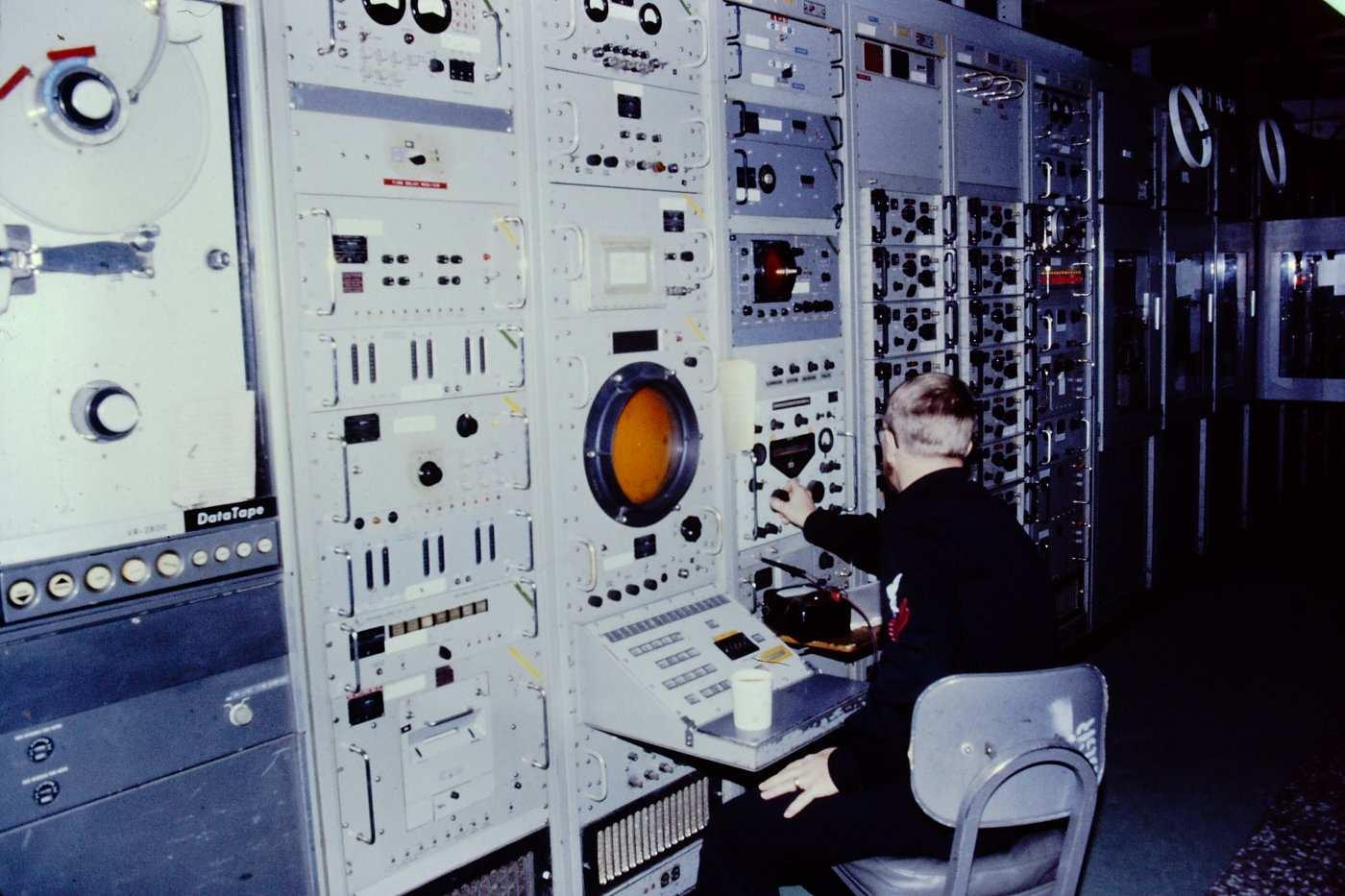
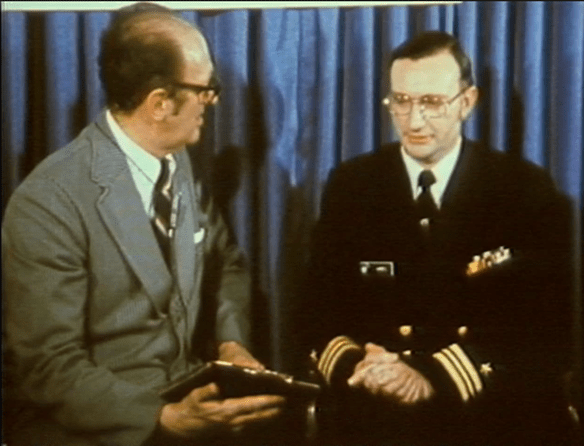
LCDR Stephen R. Harris USN (Ret.)
March 31, 1938 – May 18, 2020
LCDR Stephen R. Harris, U.S. Navy (Ret.), Officer in Charge of the USS Pueblo’s communications intelligence passed away peacefully at the Edith Rogers Memorial Veterans’ Hospital in Bedford on Monday, May 18, 2020, at age 82.
The Naval Security Group first represented in Naples Italy 1952 as Communication Security Unit 601. Six years later, in 1958, the Unit 601 was changed to U.S. Naval Security Group Det. On October 1, 1979, NSGD was administratively disestablished, and U.S. Naval Security Group Activity (NSGA) was established. Two years later in 1981, STREAMLINER and TACINTEL were installed.
Continue reading “OTD: NSGA Naples Decommissioned”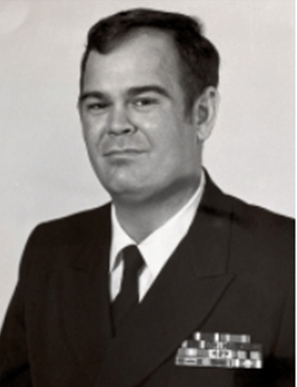
James D. Avery, age 77, of Poulsbo, passed away on August 7th after a long battle with Alzheimer’s. He was born on May 19, 1944, in Waverly, IA to Jim and Anne Avery. He graduated Waverly-Shell Rock High School. Not long after, he joined the Navy.
Continue reading “Remembering Chief Warrant Officer James Avery, USN, Cryptologist”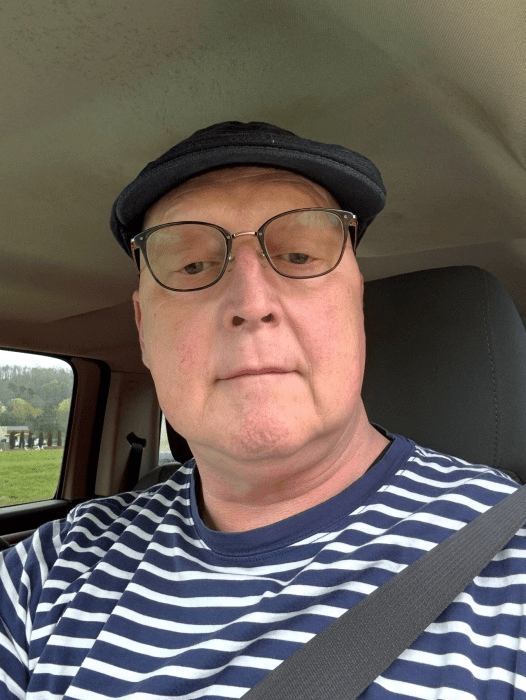
Jesse Ray Norwood, age 64, a native of McMinn County, passed away on Sunday, March 22nd, 2026. He is preceded in death by his parents: Ray Houston Norwood and Marjorie Ann Lyles Norwood, a brother: Jeffery Allen Key and a sister: Ela Mae Womac. Jesse is survived by his wife of 43 years: Ryoko Takahashi Norwood, a son: Nicholas Taro Norwood, and a brother: John Mark Norwood.
Continue reading “Remembering CTOCS (Ret.) Jesse Norwood, USN” Station HYPO