
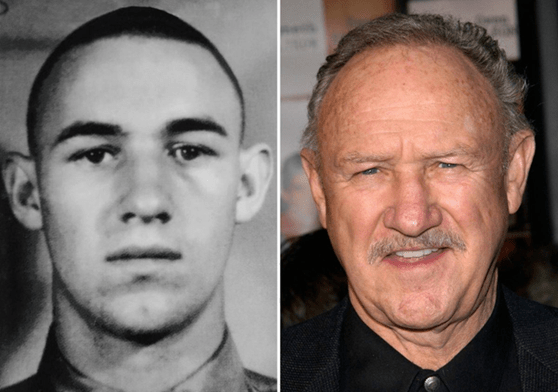
Eugene Allen Hackman Eugene Allen Hackman
January 30, 1930 – February 18, 2025
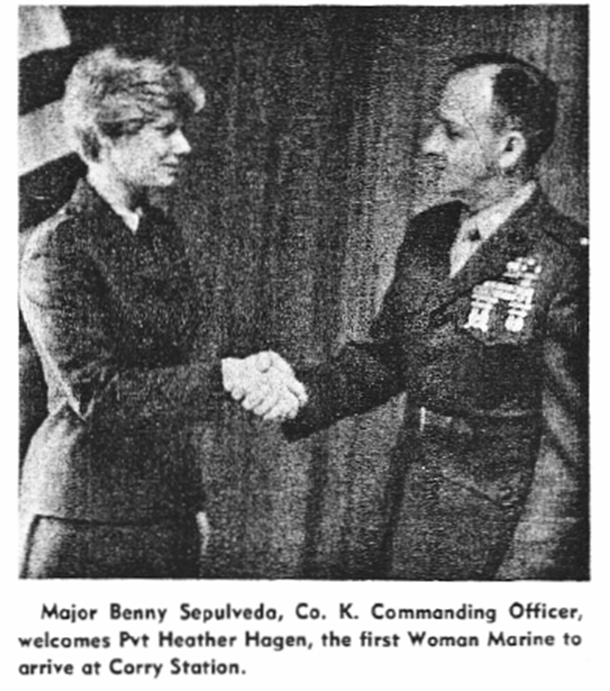
Company K (Corry Station)
Marine Support Battalion
A new era is beginning for Company K and the Marine Corps. On December 29th, Pvt Heather Hagen, our first Woman Marine arrived at Corry Station. A native of New England, Pvt Hagen was born in Boston, Massachusetts and later moved to Tray.
Continue reading “First Women Marine Arrived at Corry Station, 1977”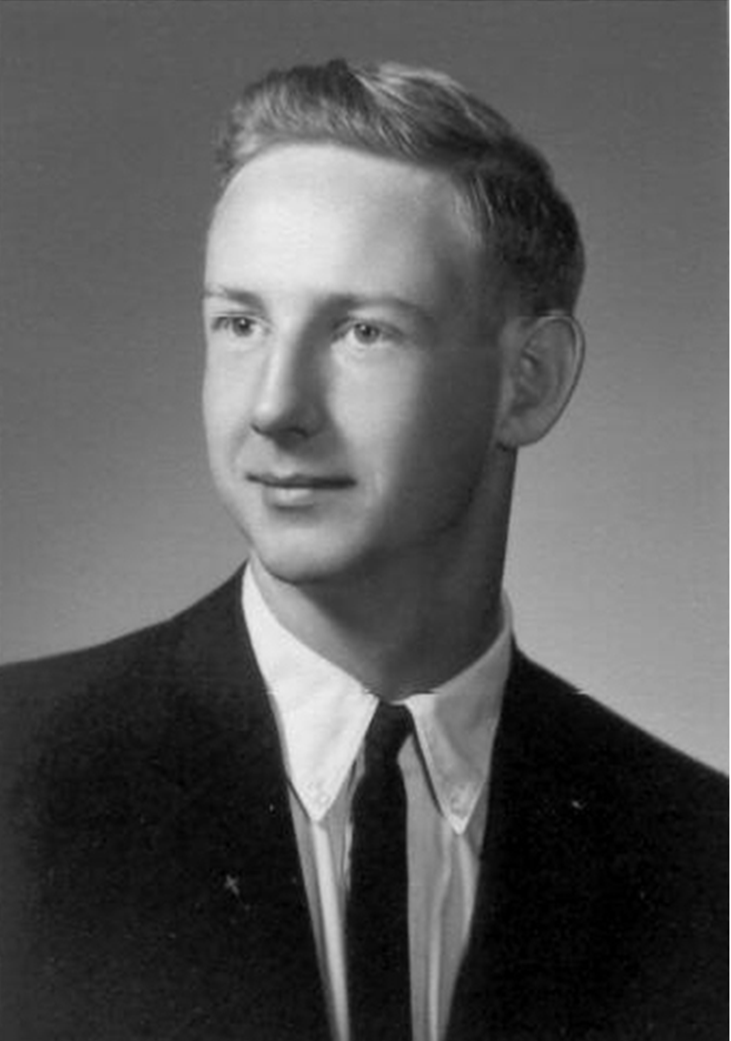
CT3 Duane Marggraf
January 27, 1945 – June 8, 1967
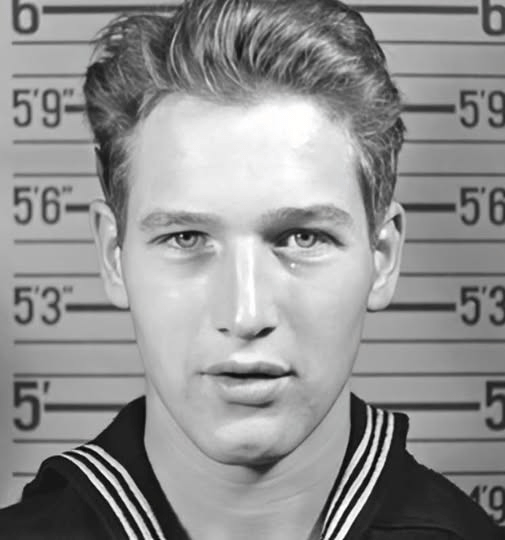
Paul Leonard Newman (January 26, 1925 – September 26, 2008)
Among the crew of USS Hollandia celebrating the surrender of Japan August 14, 1945 years ago is Paul Newman (he is the jubilant sailor in the back of the photo). Newman wanted to be a naval aviator but was rejected because of his colorblindness. He served as an aviation radioman in the Pacific theater during the war.
Continue reading “Remembering ARM3c Paul L. Newman, USN”
By Jim Stewart
They were always the last to leave the ship. It meant waiting up to an hour in the noise and heat while a backwash of jet fumes filled the fat old plane, gently rocking it in the night.
Continue reading “Lost Sons of the Nimitz”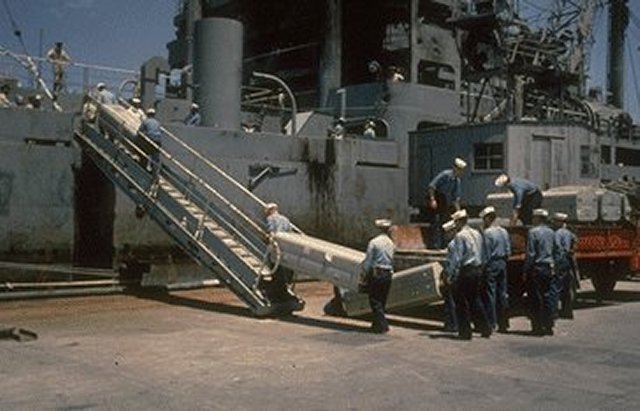
Conspiracy Theorists, Anti-Semites and More
Many surviving crewmembers feel they’ve been dishonored by the cover-up. “We’ve been made to appear as bigots and the lies frustrate our efforts to distance ourselves from neo-Nazi organizations [and other anti-Jewish groups],” says Gallo. “Our government put the Israeli relationship over and above the crew and, time after time, the eye witnesses of the attack are called conspiracy theorists. Because the events involved Israel and are compounded by a state lie, we are automatically labeled a bunch of whiners. I guess we are supposed to keep our mouths shut. I suppose if no one was killed or wounded, we could possibly do that. However, [Israel] attempted to murder 294 Americans. We would be remiss as Americans if we did not speak out and our 34 shipmates would have died for nothing.”
Continue reading “The USS Liberty Story (5 of 5)” Station HYPO