
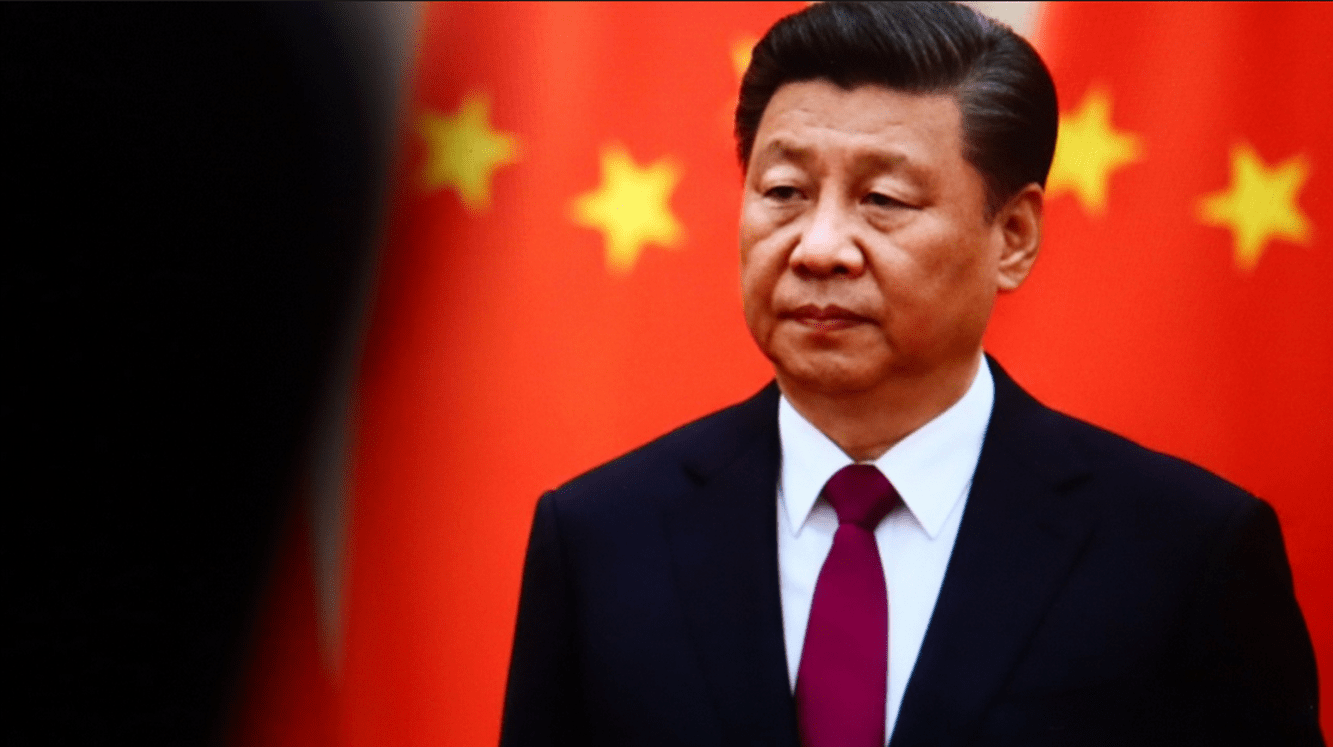
President Donald Trump must take decisive steps toward bolstering US alliances in the Indo-Pacific before talks with Xi Jinping in April.
Continue reading “Five Months to Save the First Island Chain from China”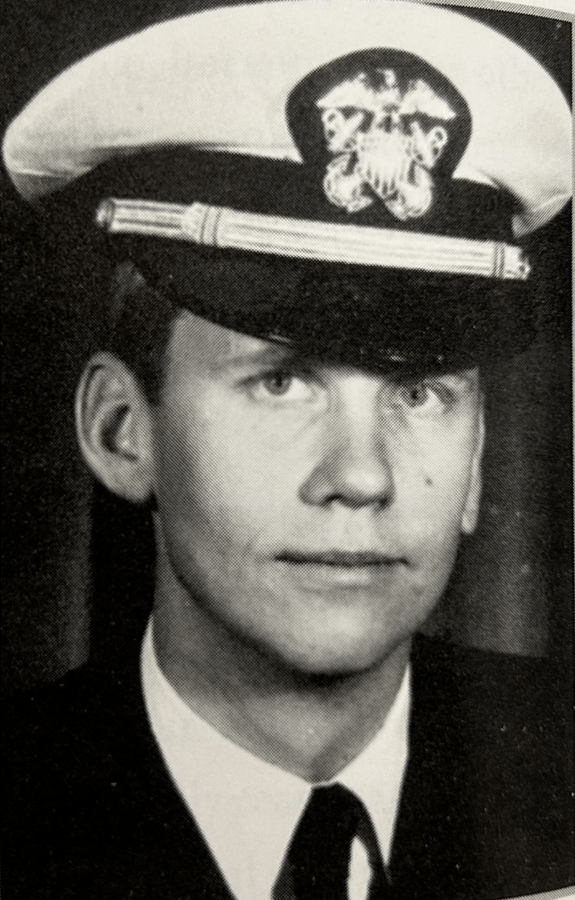
Lieutenant Schumacher had endured a brutal beating on January 26 1968, followed by an even more savage assault the next day. Dragged into the same interrogation room where the Pueblo’s officers had once been threatened with a firing squad, he was ordered to kneel and raise his arms over his head. Two guards cocked their AK-47s, pressing the bayonets within inches of his face.
Continue reading “USS Pueblo: The Breaking of LT Schumacher, Part 1 of 19”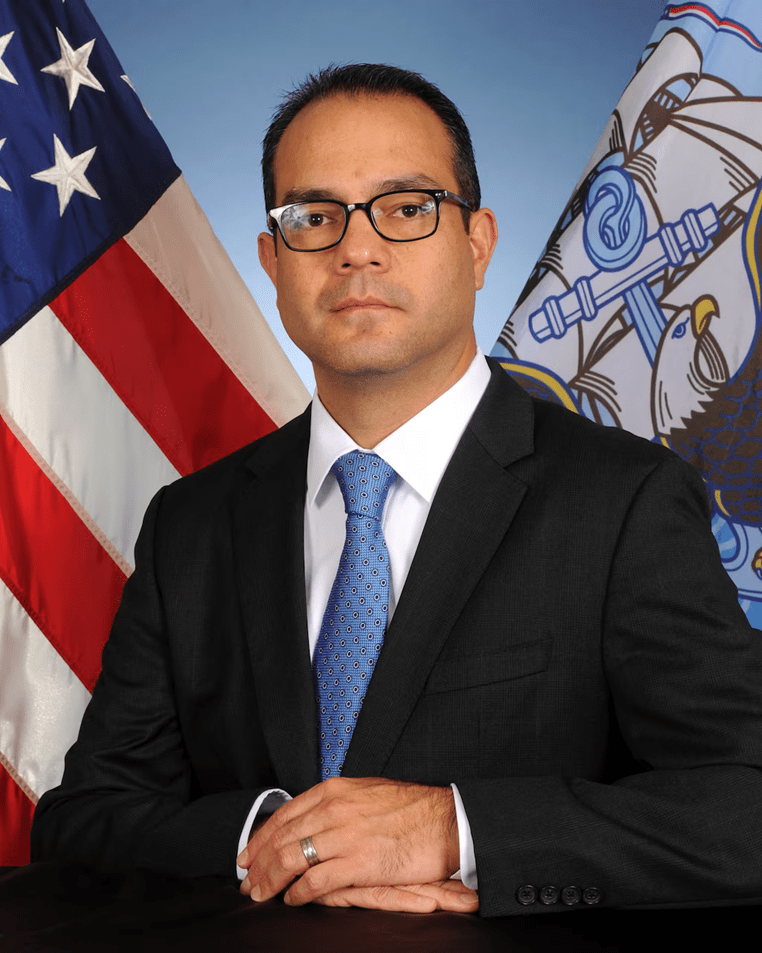
Matthew Swartz, the newly appointed Executive Director for Chief of Naval Operations Adm. Daryl Caudle, brings a distinguished and comprehensive background in information warfare and cyber operations. His career reflects decades of leadership across the Navy’s most technologically demanding missions, including strategic planning, operational integration, and the development of advanced cyber capabilities. Swartz’s deep expertise positions him as a key advisor to the CNO, ensuring the Navy continues to strengthen its information dominance, enhance cyber readiness, and maintain decision advantage in an increasingly complex and contested maritime environment.
Continue reading “Navy’s New Executive Director Brings Deep Expertise in Information Warfare and Cyber Operations”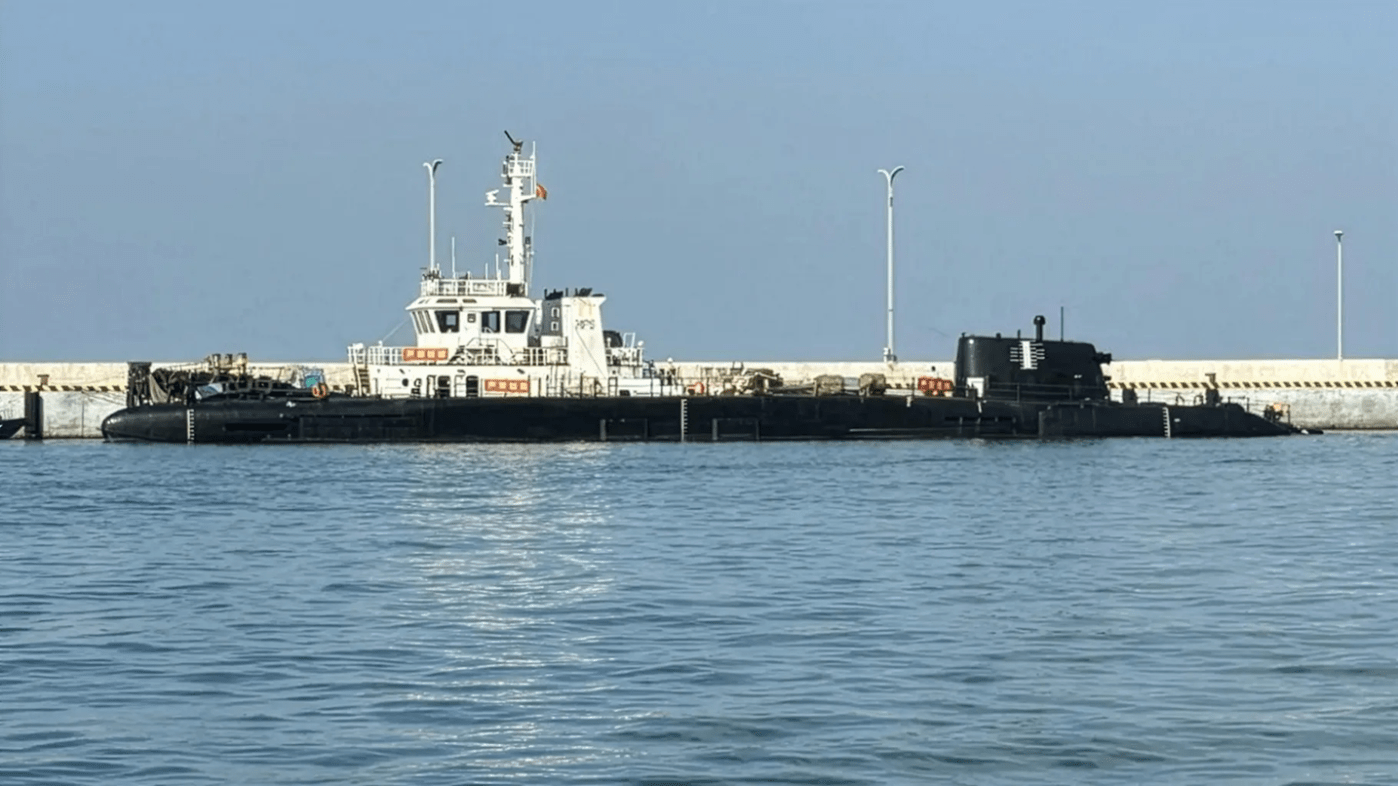
The first widely circulated image of the bizarre-looking trimaran point to it being just as much submarine as surface vessel.
The Chinese trimaran craft is seen in what is the first widely circulated image of the vessel, but it leaves many questions unanswered. Not least, what is the actual purpose of this vessel? At the same time, details point to this craft being fully or nearly fully submersible, making it something of a hybrid design.
Continue reading “China’s Mysterious Submarine-Ship Hybrid Breaks Cover”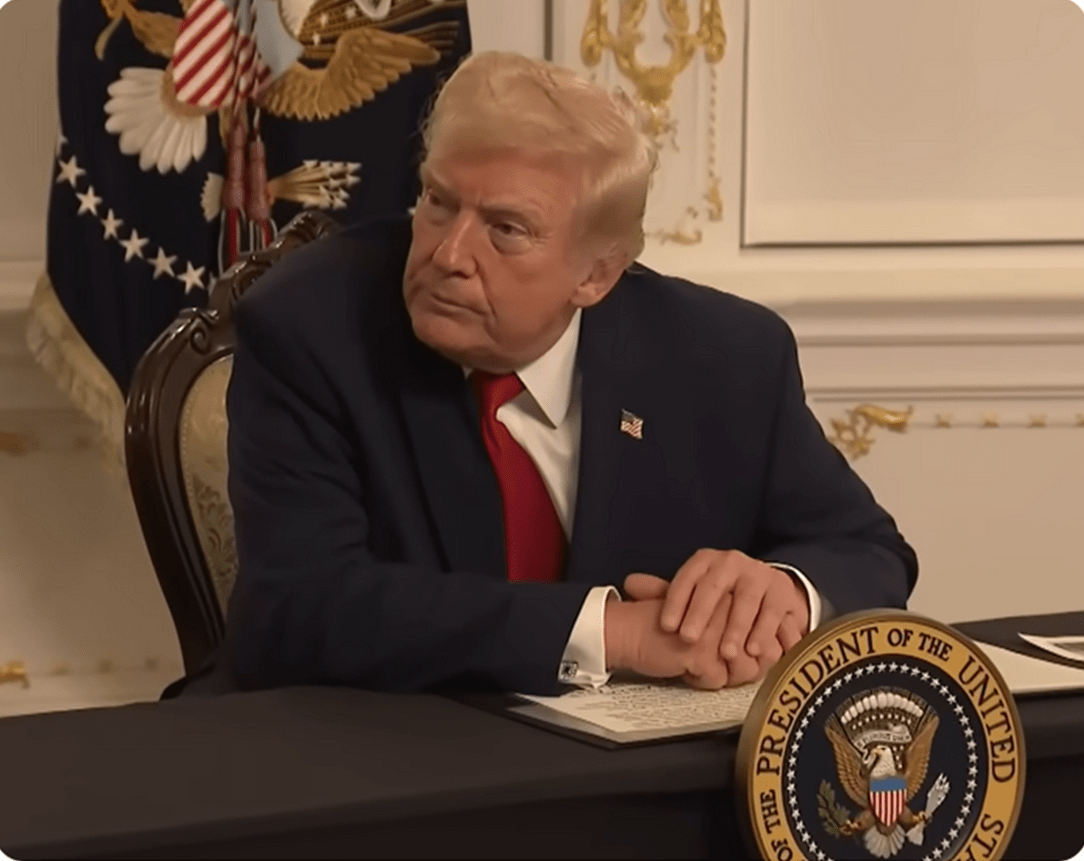
If President Donald Trump wishes to disclose information about Unidentified Anomalous Phenomena (UAP) – and reveal what whistleblowers claim, that multiple advanced non-human species surround us – now is the time to do it.
Continue reading “The Age of Disclosure: Is Trump Ready to Tell the World We’re Not Alone?”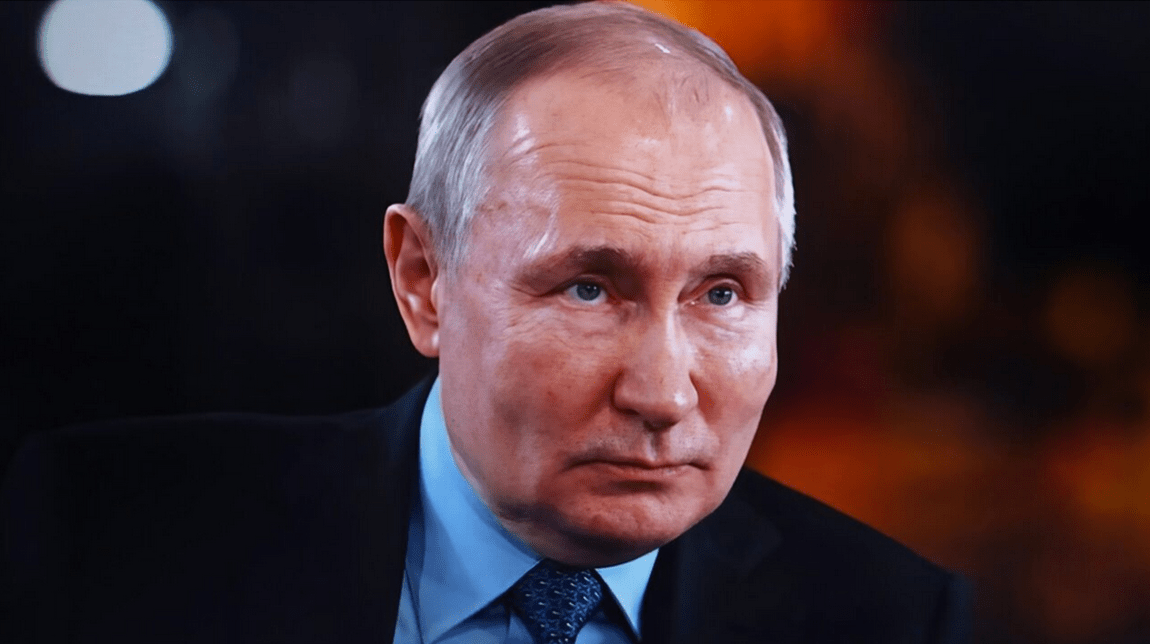
Putin is trying to drive a wedge between the United States and Europe and take advantage of any disagreement to further his foreign policy goals in Ukraine.
Continue reading “Russia’s Putin Issues Chilling New Threat Against Europe” Station HYPO