
RM3 Emil White, KIA, NSGA Sabana Seca
September 7, 1959 – December 3, 1979

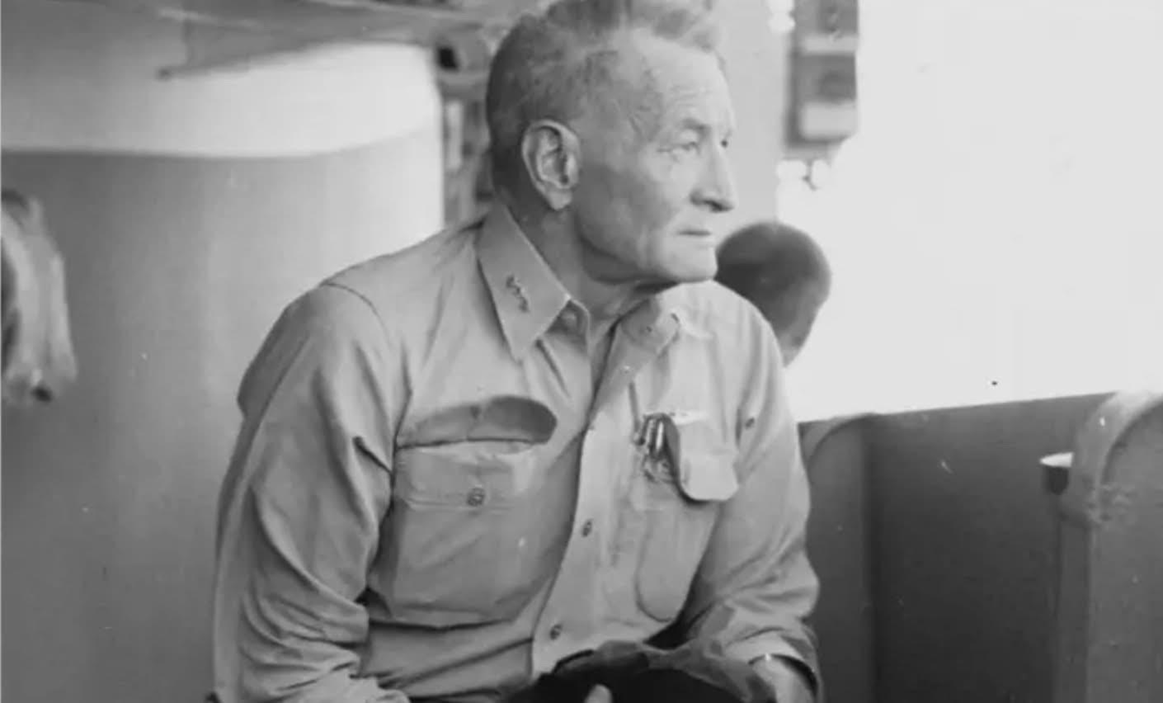
With the war over and his job done, Admiral John S. McCain Sr. returned to his home in California and died on September 6, 1945 – just four days after witnessing the Japanese surrender ceremony aboard USS Missouri in Tokyo Bay. He had earlier joked that he was planning to celebrate the Allied victory in the Pacific by creating three new cocktails named “Zeke,” “Jill,” and “Judy” after types of Japanese planes. “Each time you drink one, you can say ‘splash one Judy’ or “splash one Zeke,” McCain said.
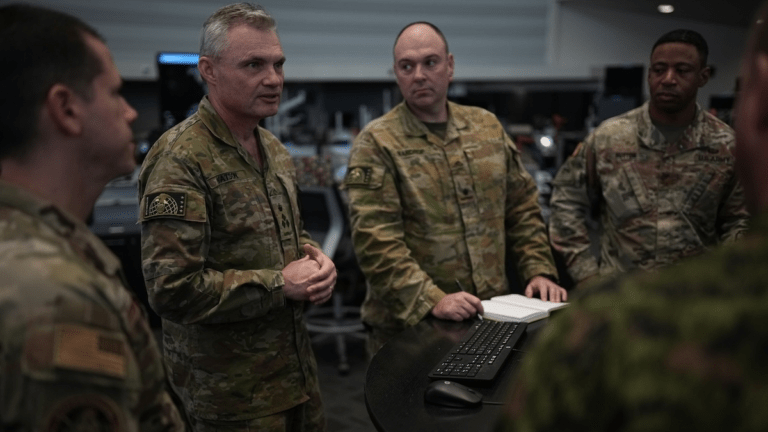
What if I told you a major U.S. Department of Defense component assumed responsibility for building a critical warfighting capability negligently disregarded this duty, and ultimately allowed this capability to reach a point of failure? Well, that’s exactly what happened with U.S. Cyber Command.
Continue reading “The Sad and Sorry Tale of Cyber Command’s Seven-Year Failure”
Sept. 5, 2025
When President Xi Jinping presided over an enormous exhibit of China’s military might in Beijing on Wednesday, there were more than fighter jets and missiles on display.
Continue reading “A Project for a New World Order”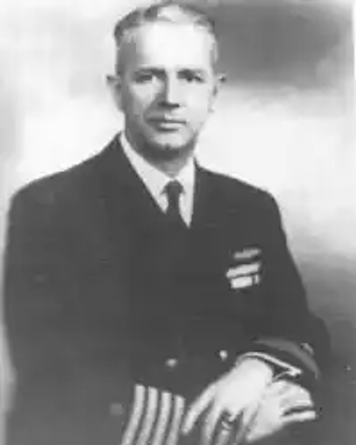
Featured image: Captian Laurance Safford, USN
There were no problems of collaboration for strictly military COMINT matters where each service was working alone in its proper sphere of activity. The Navy COMINT team did a thorough job on the Japanese Navy with no help from the Army. [Redacted] No assistance was requested from the Army other than permission to establish a Navy COMINT Unit on Corregidor. The Navy gave the Army all its Japanese Army intercepts, assisted in training an Intercept Unit at Manila, never denied the Army any legitimate information it requested, and gave the Army all the help it was willing to accept. The Army, in turn, provided the Navy copies of all its technical cryptanalytical manuals and training courses.
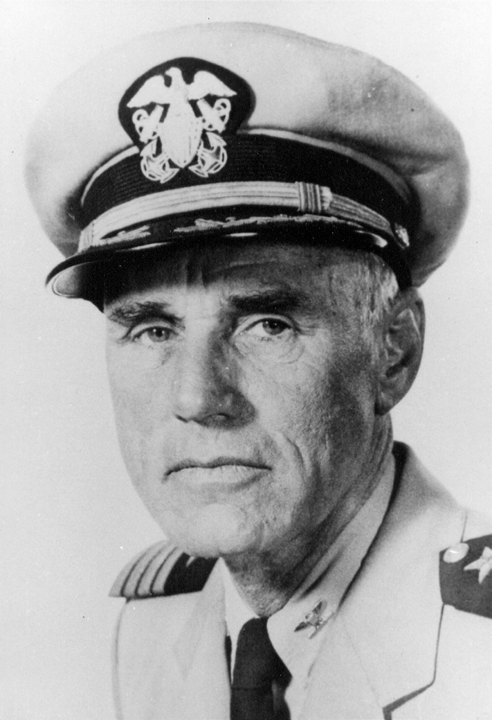
Featured image: CAPT Prescott Hunt Currier, USN
On 1 June 1939 the Japanese Navy introduced a new type of numerical code referred to by Navy COMINT personnel as AN, JN-25 or the Operations Code. This code used a vast number of “additives” (or subtractor) keys, similar to the [redacted] used by the U.S. [redacted] Navies from 1941 through 1943. Mrs. Driscoll and Mr. Currier spear-headed the attack and we were soon [redacted] reconstructing the code. Recovery of the additive keys, however, involved much more labor and required many more crypto-personnel than the earlier transposition keys. Main work of solution was undertaken at Washington. By December 1940 we were working on two systems of keys used with this code book: the “old” keys for code recovery and the “new” keys for current information. In the spring of 1941, the U.S. COMINT Unit at Corregidor polled its effort with [redacted]. The [redacted] had also reconstructed this Japanese Number Code to a partially readable extent and wre busy recovering keys and “filling in the blanks” in the code.
 Station HYPO