
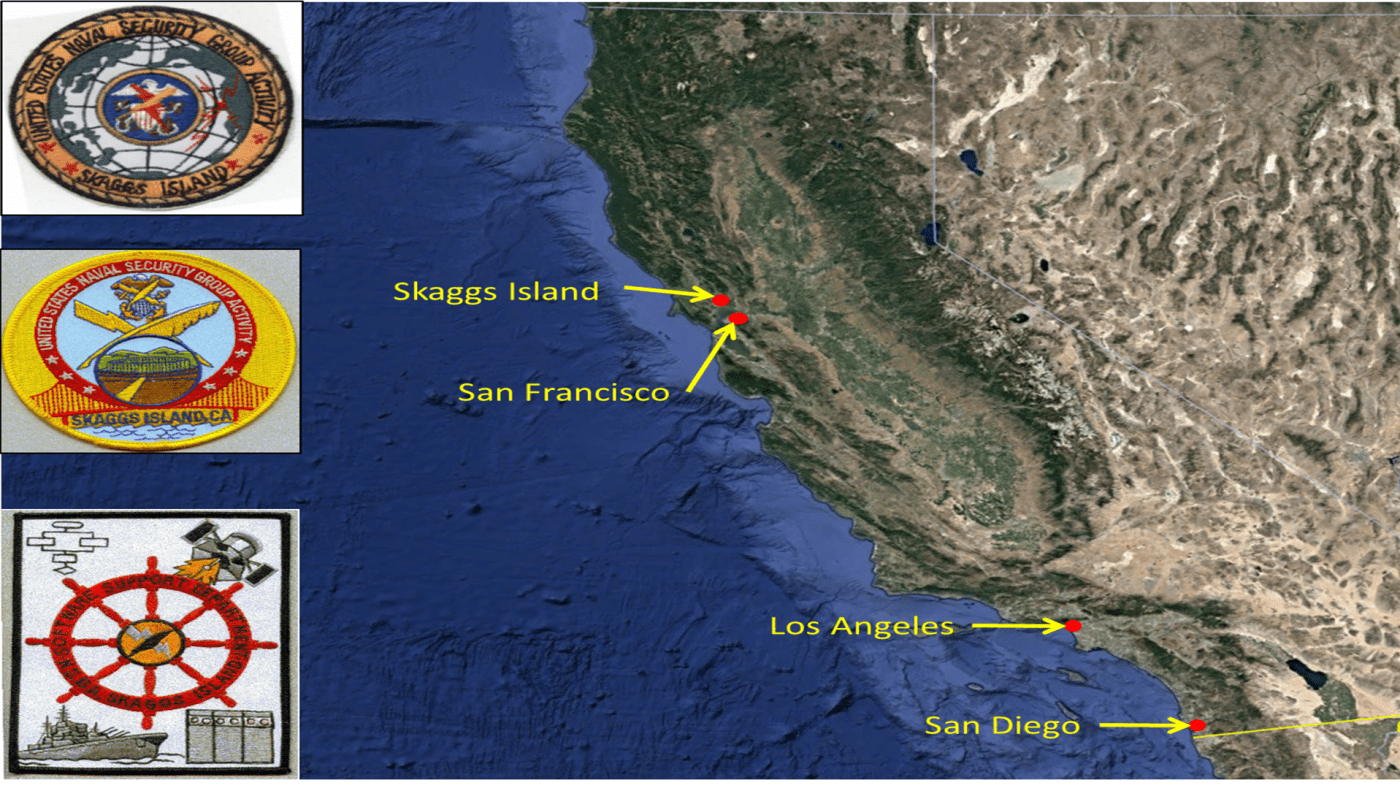
In 1953, U.S. Naval Security Group Department, NCS San Francisco, Skaggs Island, CA was established as a Dept of NAVCOMMSTA San Francisco. NAVRADSTA San Francisco was disestablished, and was absorbed by the NSG Dept at Skaggs Island. On June 30, 1962, the NSG Dept stood down, and was reactivated on July 1, 1962 as the U.S. Naval Security Group Activity, Skaggs Island, Sonoma, CA. Also in 1962, NAVCOMSTA San Francisco moved from downtown San Francisco to Stockton, CA. Simultaneously, the Radio Receiving Station at Skaggs Island was re-established on July 1, 1962, and was renamed NAVRADSTA (R) Skaggs Island, CA.
Continue reading “NSGA Skaggs Island Closed, June 18, 1993”
Early on June, 17, 2017, the United States Navy destroyer USS Fitzgerald (DDG 62) collided with MV ACX Crystal, a Philippine-flagged container ship, about 80 nautical miles (92 miles) southwest of Tokyo, Japan; 10 nautical miles (12 miles) southeast of the city of Shimoda on the Japanese mainland (Honshu).
The accident killed seven Fitzgerald sailors. Their bodies were recovered from the flooded berthing compartments of the ship. At least three more of the crew of nearly 300 were injured, including the ship’s commanding officer, Commander Bryce Benson.
Continue reading “Remembering the Crew of USS Fitzgerald (DDG 62)”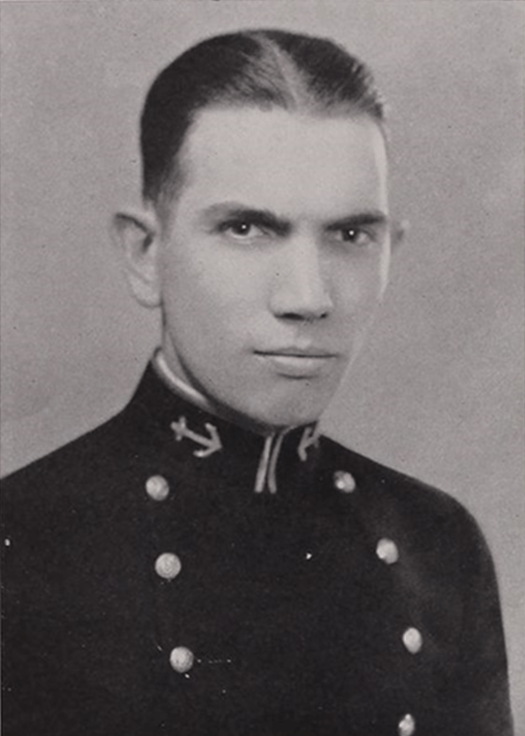
LCDR Francis Dixon Jordan
June 16, 1906 – October 24, 1944
A Japanese Language Officer who received his Japanese Language training in Japan from 1934-1938, LCDR Francis Dixon Jordan, USN, was serving as the executive officer of USS Luzon (PG 47) until ship was scuttled in Manila Bay on May 6, 1942, shortly before Corregidor surrendered. Following the ship’s scuttle, Jordan, was captured by the Japanese held as a Prisoner of War (POW) on the Japanese “Hell Ship,” Arisan Maru (A). While in captivity, he was killed on October 24, 1944 when an American submarine, probably the USS Shark (SS 314), sank the Arisan Maru.
Continue reading “Remembering LCDR Francis Dixon Jordan, USN, Japanese Language Officer”
In an inspiring show of camaraderie, remembrance, and pride, the Smokey Mountain Chapter of the Naval Cryptologic Veterans Association (NCVA) hosted a landmark 2025 reunion in Chattanooga, Tennessee. Dedicated to preserving the legacy and heritage of U.S. Naval Cryptology, the event drew veterans and active-duty personnel from across the country, uniting generations of Sailors under a common cause: to keep the flame of naval cryptologic history burning brightly.
Continue reading “Keeping Naval Cryptologic History Alive: NCVA 2025 Reunion in Chattanooga a Resounding Success”
My name is Old Glory.
Long may I wave. Dear God,
Long may I wave.

After WWII, there were concerns in the U.S. government that coordination of the collection and processing of Communications Intelligence (COMINT) was not being done effectively, with duplication of effort. The Armed Forces Security Agency (AFSA) had failed to bring the Service Cryptologic Agencies into closer cooperation. In response to the dissatisfaction with AFSA, in December 1951, President Harry S. Truman ordered a study to determine corrective measures. A committee was formed to review, in-depth, the COMINT activities of the U. S. government. The committee was chaired by George A. Brownell, a prominent New York attorney who had served as a consultant to the State Department and traveled as Truman’s personal representative to a number of nations, including Mexico. For six months, housed at the CIA, the Brownell Committee consulted documents, heard testimony from AFSA and the services, and conferred with experts. Based on this study, the Committee issued a lengthy report in 1952. The result of this review was the creation of the National Security Agency.
Continue reading “Recommended the Creation of the NSA” Station HYPO